分类: Guides

  • Best Lightweight Laptops for Graduate Students: R, Python and Reproducible Research

    Laptop comparisons

    By

    For R or Python work, take the project’s environment file to the laptop demonstration. An Intel Windows installation on the Yoga Slim 7i Ultra is a sensible starting point when the lab maintains that platform. An Apple-silicon MacBook Air makes more sense when the group can point to an environment that runs there. If the calculation lives on a university server, spend the trial checking the VPN, package versions and downloaded output before buying a faster local processor.

    The most revealing part of a research demo often comes after the graph appears. Could a colleague start from the raw rows and produce it again? A library of packages on a lab desktop can hide an installer, a local file path or a font that the new laptop will never see. One small project with a known answer is worth bringing to every demonstration.

    Five lightweight laptops and the research role for each

    Copy the exact platform and operating system from the prospective order into the first line of your project notes. A lab that supports Intel Windows has given a useful clue about the Yoga. A lab with a maintained Apple-silicon environment has given an equally useful clue about the Air.

    Laptop and exact platformConfiguration to investigateBest research fit in this shortlistDecision to resolve first
    Lenovo Yoga Slim 7i Ultra Gen 11, 14IPH11Core Ultra 7 355; 32GB; 1TB; Windows 11Frequent campus carrying with a verified Intel Windows projectRequired adapters and institutional software approval
    MacBook Air 13-inch M5M5; 32GB unified memory; 1TB; macOSApple-silicon packages supported by the research groupCompiled dependencies and any Windows-only application
    ASUS Zenbook S14 UX5406AACore Ultra 7 356H; 32GB; 1TB; Windows 11Intel Windows analysis shared between desks and teaching roomsExact panel, OS edition and department support
    ThinkPad X1 Carbon Gen 14 Aura EditionCore Ultra 7 365 vPro; 32GB; 1TB; Windows 11 ProA university-managed Intel Windows environmentApproved order code, screen and support arrangement
    Surface Laptop for Business 13-inch, 2nd Edition, SnapdragonSnapdragon X2 Plus; 24GB; 1TB SSD; Windows 11 ProApproved Windows Arm client with remote analysis availableNative package builds, drivers and actual remote access

    The table is intentionally conditional. It does not award a universal winner to the computer with the highest memory figure or the newest processor label. A successful purchase leaves the student with a working, recoverable research project. Our broader graduate-student laptop guide covers additional study situations beyond computational research.

    Write a research acceptance brief before choosing the chassis

    Ask a supervisor or research technician for a small representative project. Include the source scripts, a permitted sample dataset, the dependency record, one expected table and one expected figure. Choose an example that crosses the difficult boundary: a package with native code, a geographic transformation, a reference database connection or a laboratory export format. A demonstration limited to opening a notebook cannot test those dependencies.

    Write down where each stage is supposed to run. Data collection might happen on an instrument workstation, cleaning locally, estimation on a university cluster and manuscript rendering back on the laptop. Record the operating system and permissions required at each stage. This keeps a genuinely useful remote service separate from the vague promise that something could be moved to the cloud later.

    Give each essential task an owner and a pass condition. For example, the student owns recreating the local environment, the laboratory owns the instrument export, and the computing service owns server access. Agree which outputs must match exactly and where an explained numerical tolerance is appropriate. This becomes a purchase acceptance brief rather than an artificial product score.

    Lenovo Yoga Slim 7i Ultra — Best for a low-mass Intel Windows research setup
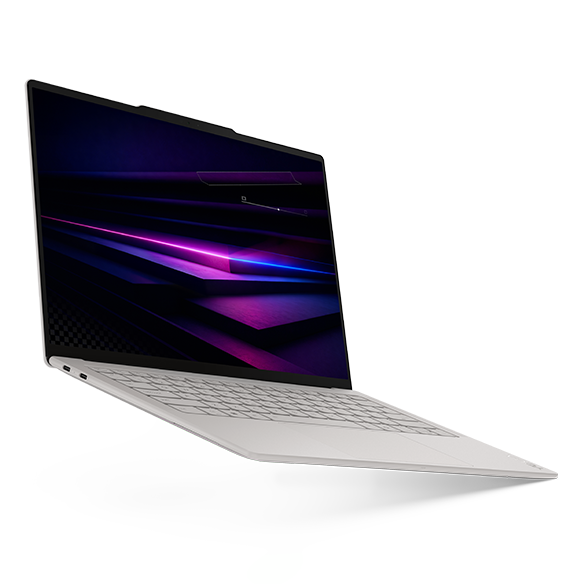
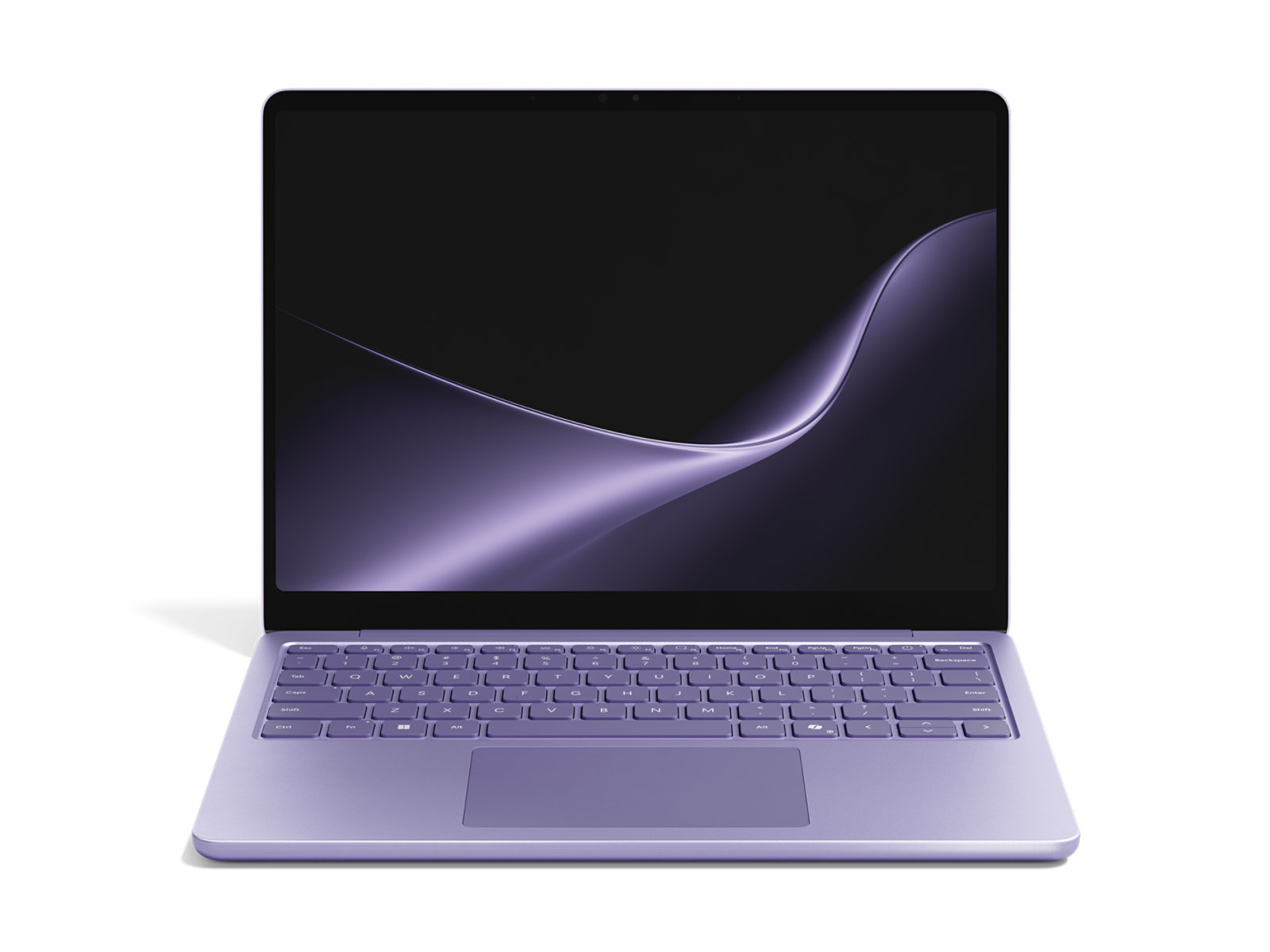
    Official manufacturer image of Lenovo Yoga Slim 7i Ultra Gen 11
    Manufacturer product illustration of Lenovo Yoga Slim 7i Ultra Gen 11; appearance does not identify a specific memory or storage order. Official model documentation

    The 14IPH11 platform combines a published starting weight of 975g with Intel processors, soldered memory and three Thunderbolt 4 ports. The comparison here targets Core Ultra 7 355, 32GB and 1TB; it does not treat 32GB as the platform maximum. Lenovo’s current reference also identifies other memory offerings. Starting weight describes the device and can vary with the actual configuration. Lenovo PSREF specifications.

    Its strongest role is a student carrying an already validated Windows environment between the library, a supervisor meeting and home. Make the purchase conditional on the representative project running correctly, then add the actual power supply and any necessary display or USB-A adapter to the bag. The small published device mass does not remove those accessories.

    Choose another candidate if the research group’s support arrangement or required local workload points elsewhere. In particular, an attractive chassis is not evidence that a specialized package, license service or instrument connection has been approved. Ask for that evidence before comparing optional screen and finish choices.

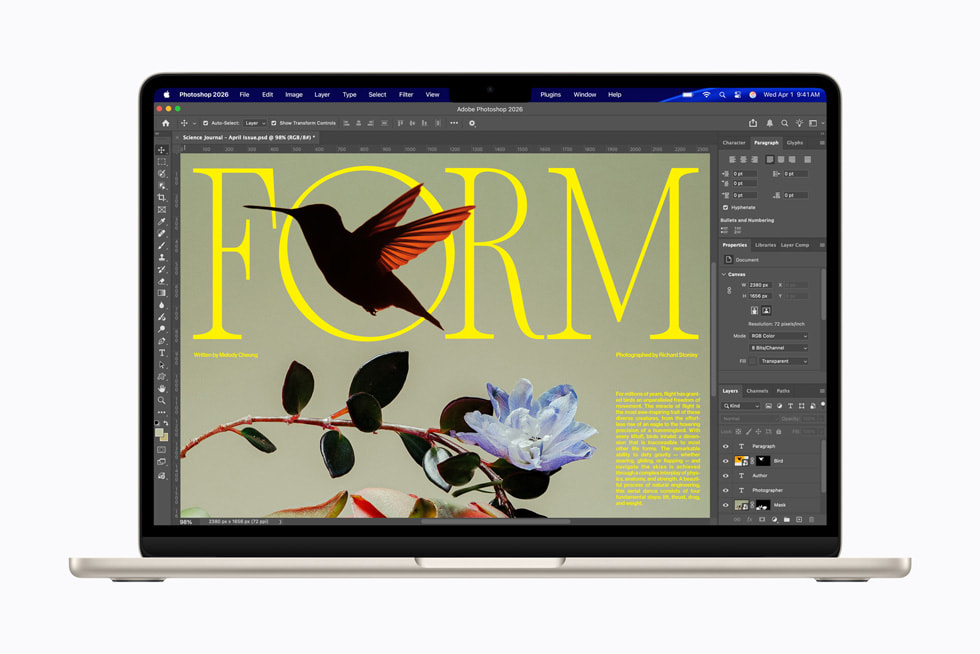
    MacBook Air 13-inch M5 — Best for a supported Apple-silicon project
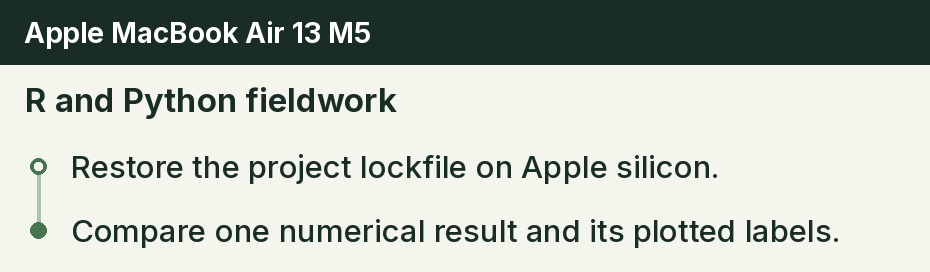
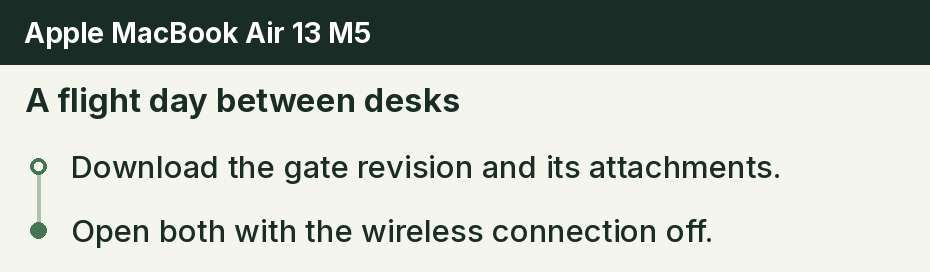
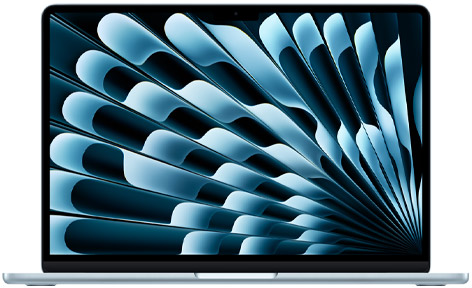
    Apple MacBook Air 13 M5. R and Python fieldwork. Restore the project lockfile on Apple silicon. Compare one numerical result and its plotted labels.
    Apple product reference

    Apple lists configurable 32GB unified memory and 1TB storage for the 13-inch M5, a 1.23kg device weight, two Thunderbolt 4 ports and separate MagSafe charging. This article uses that 13-inch configuration, not the larger model. Apple technical specifications.

    The Air becomes a convincing research choice when the group already maintains a successful Apple-silicon installation and can reproduce it for the student. Ask a colleague to restore the environment from its recorded inputs, run the representative analysis and render the final document. Existing familiarity can reduce setup friction, but it should be demonstrated through the project rather than inferred from a shared brand.

    Check every non-Python component too. A script may call a command-line utility, a commercial statistics program or a vendor library. Put those calls in the acceptance brief. If a required Windows application is available only through an approved remote service, test that service from the places where the student will actually study.

    ASUS Zenbook S14 UX5406AA — Best for analysis moving between connected workspaces
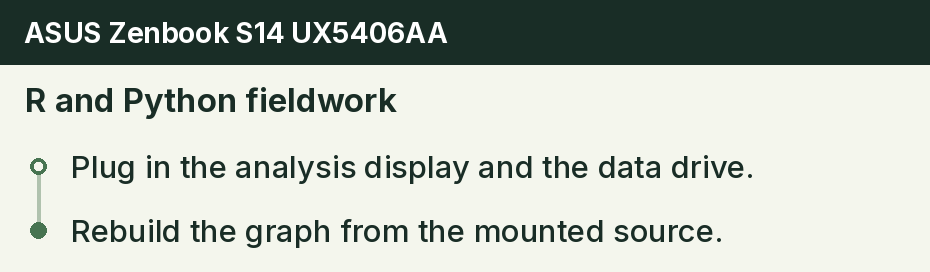
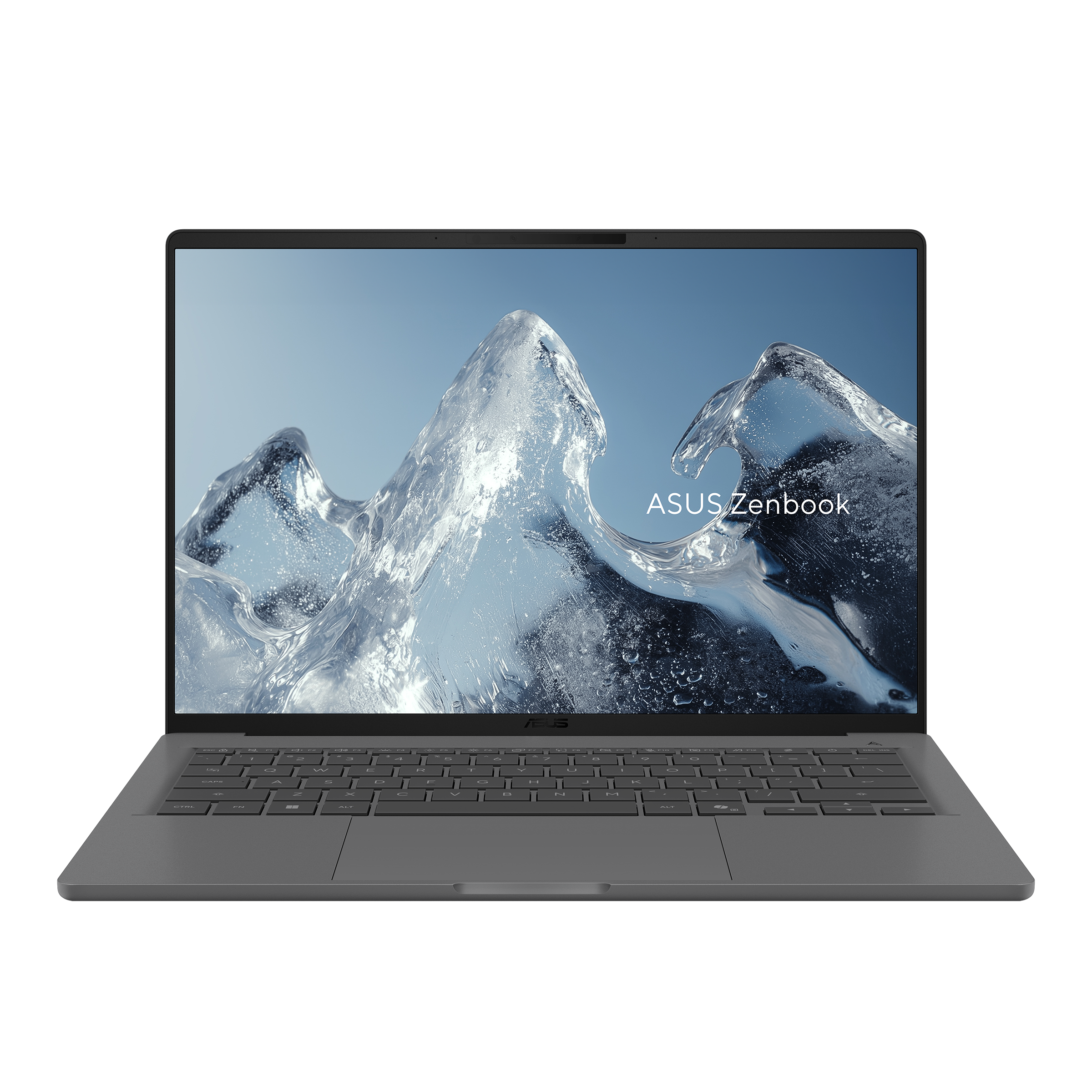
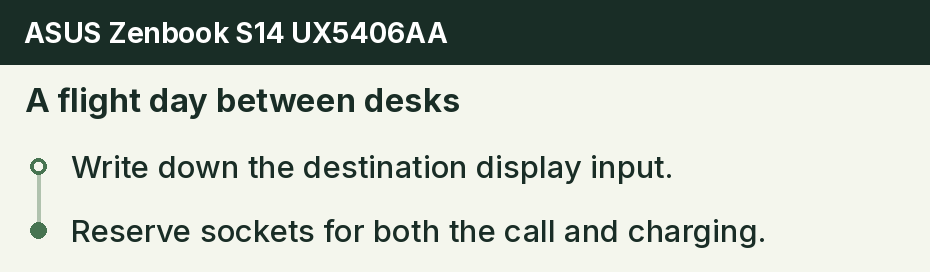
    ASUS Zenbook S14 UX5406AA. R and Python fieldwork. Plug in the analysis display and the data drive. Rebuild the graph from the mounted source.
    ASUS product reference

    The selected AA platform offers Core Ultra 7 356H, 32GB onboard memory and 1TB storage. ASUS lists HDMI, USB-A and two Thunderbolt 4 connections, with a published device weight of 1.20kg. Use the AA column of the manufacturer page rather than importing a processor or battery figure from UX5406SA. ASUS model-specific technical specifications.

    This connection arrangement is worth considering when a student alternates between an analysis desk, a shared display and seminars using USB-A equipment. It can make the physical plan simpler, although it cannot certify a particular dock, monitor or instrument. Test those items as a chain with power connected.

    Compare the final offer against the Yoga using the same research project and accessory list. Select the ASUS because its actual setup fits the work, rather than expecting its processor name to establish a measured advantage. For teaching-heavy schedules, use the separate graduate teaching-assistant laptop comparison.

    ThinkPad X1 Carbon Gen 14 — Best when university support defines the configuration

    ThinkPad X1 Carbon Gen 14. R and Python fieldwork. Ask IT to reproduce your exact package environment. Confirm the recovery image keeps its dependencies.
    Lenovo product reference

    Lenovo’s Gen 14 reference lists the Core Ultra 7 365 vPro platform considered here and a port layout including HDMI, USB-A and Thunderbolt 4. The 32GB, 1TB Windows 11 Pro arrangement is a configuration to request through the institution; screen, wireless options and services must be tied to its actual order code. ThinkPad X1 Carbon Gen 14 PSREF.

    Its practical attraction is the possibility of using an institution’s approved computer and support process. That possibility needs confirmation: being a ThinkPad does not automatically make a personal purchase eligible for university management or on-site repair. Ask who installs the required software, who handles a failed machine and whether a loan computer can use the same project environment.

    If that support is available, evaluate the complete arrangement alongside consumer alternatives. A student approaching an important deadline may reasonably prioritize a documented recovery route over a smaller device-only weight. The choice remains specific to the university rather than a universal reliability ranking.

    Surface Laptop 13-inch, 2nd Edition — Best for a verified Windows Arm and remote-compute arrangement

    The business model uses a six-core Snapdragon X2 Plus and offers 16GB or 24GB memory. Microsoft distinguishes 256GB or 512GB UFS storage from the removable 1TB SSD option. Our target is 24GB with the 1TB SSD, Windows 11 Pro and the 13-inch 3:2 screen. Microsoft lists a 1.23kg device weight. Microsoft’s exact second-edition business specifications.

    It is a candidate for a student whose analysis already runs on an approved server and whose local packages have passed their checks. Do not classify it simply as an Intel Windows computer in a smaller case. Native software, emulated applications and drivers are separate compatibility questions.

    In particular, Microsoft says drivers on Arm devices require native Arm64 support; ordinary application emulation does not settle that issue. Windows on Arm compatibility FAQ. A required instrument driver can therefore decide the purchase even if the editor, browser and basic Python example all work. Obtain an explicit answer for the real equipment.

    Compiled dependencies can decide the platform before memory does

    A research environment is more than the language name. List packages that compile C, C++ or Fortran code, plus external libraries and utilities they expect. A colleague’s successful installation is useful evidence only when the operating system, processor architecture, package versions and installation route match the proposed computer closely enough to reproduce.

    CRAN currently describes the Arm64 version of Rtools45 as experimental, notes that some packages do not work, and explains that native Windows Arm package compilation needs its toolchain. Rtools is relevant when compiling packages from source; installing compatible CRAN binary packages does not require it. Match the compiler toolchain to the R version used by the project. This does not establish that every R project fails on Arm; it identifies a dependency question that must be answered for the actual project. CRAN Rtools45 guidance.

    Prepare three outcomes for each critical dependency: confirmed native installation, an approved alternative execution route, or unresolved. Treat an unresolved essential package as a reason to delay that platform decision. Conversely, do not reject a platform solely because an unrelated package has a problem. The aim is to establish the student’s complete chain of work, not repeat a general argument about processor architectures.

    Restore the R project instead of collecting package names by memory

    For an R-based dissertation, keep the project’s dependency record beside its analysis scripts. The renv documentation explains how restore uses a lockfile to rebuild a project library. That gives a more useful acceptance action than manually installing whatever happens to be the newest version of each package. renv restore reference.

    A three-line CSV makes a good control before introducing a full project. Use the rows (oak, 8), (oak, 12) and (ash, 9). Grouping by species and averaging gives oak 10 and ash 9. Save the result as a table and render the figure named in the manuscript. Matching those means verifies the simple arithmetic. A missing figure or a report with yesterday’s date points to a different step in the build.

    The lockfile should be treated as one part of the research record, not a guarantee that every external service and operating-system component is preserved. Explain how restricted data, credentials, local utilities and unavailable package sources are handled. A successful recreation on the candidate computer is stronger purchase evidence than a screenshot showing the same list of package names.

    Python and document rendering need a shared environment plan

    Python’s own venv documentation treats virtual environments as disposable and recreatable, rather than folders to copy between computers. Keep the project’s code and an installation specification under the group’s normal version-management process; recreate the environment using a suitable interpreter on the new machine. Python virtual environment documentation.

    Next, verify which interpreter the notebook or document tool actually uses. Quarto’s environment guidance describes Python and R environment arrangements and notes that mixed-language documents can involve Knitr and reticulate. An editor running the expected interpreter does not prove that the final document uses the same one. Quarto virtual environment guidance.

    Make the final export part of the acceptance check. Ask the candidate machine to generate the intended HTML, Word or PDF output through the real toolchain, including citations and figures. Record any extra fonts or document components required by the department. This is especially useful when a project looks correct interactively but fails on the command used to create its submission copy.

    Worked example: separate the working subset from the research archive

    Consider an illustrative social-science project with 18GB of raw exports, a 6GB cleaned working subset and 8GB of generated results. Keeping one local copy of each totals 32GB before software, environment caches, temporary files, earlier versions and personal documents. These numbers describe a planning exercise, not the observed storage use of any laptop.

    For the train, take the permitted 6 GB working subset and the 8 GB of results if both are needed offline. That makes 14 GB of project data. The 18 GB raw archive can stay on institutional storage when policy requires it. Allow space separately for the interpreter, packages, scratch files and the rest of the drive’s contents.

    Memory requires its own observation. A 6GB file on disk is not a reliable statement of the RAM needed to read, transform, join and model it. Ask the group to inspect the representative pipeline and its peak demand on an existing system. Use that observation to choose between available memory configurations. The research software and memory guide develops that capacity decision in more detail.

    Remote compute is an operating arrangement, not a promise attached to a laptop

    A university server can change the balance between local portability and local computing resources, but only after access is established. Confirm the account, approved connection route, available software, storage location and person responsible for support. Ask how work is submitted, how results are retrieved and what happens when an interactive connection ends.

    For groups using VS Code Remote SSH, Microsoft documents editing and working on a remote machine through an SSH connection. That describes a supported development mechanism; it does not grant access to a university host or guarantee that its system satisfies the required setup. VS Code Remote SSH documentation. Follow the institution’s approved instructions and avoid changing server configuration simply to make a personal laptop demonstration succeed.

    Test both ordinary and inconvenient situations. Can the student reconnect from home, obtain authentication without a missing device and find the results of a previous job? What useful work remains possible during a network outage? Keep a permitted offline task, such as writing methods or reviewing already exported figures, in the plan. That makes a portable client a deliberate choice rather than an accidental dependence on constant connectivity.

    Use an acceptance matrix that ends with a purchase decision

    CheckpointEvidence to keepWhat a failure changes
    Restore the environmentInterpreter version, dependency record and installation logFix the procedure or reconsider the platform
    Run the representative analysisExpected outputs and explained numerical tolerancesInvestigate dependencies before ordering
    Render the submission documentCompleted export with citations, tables and figuresResolve the document toolchain
    Connect required equipmentExact peripheral, cable, driver and successful taskChange the connection plan or computer
    Recover from a fresh project copyA second successful run from recorded inputsImprove recovery before moving the main project

    Give unresolved essential checks more weight than optional conveniences. A candidate that fails the instrument requirement cannot become suitable because its body is lighter. A candidate that passes the project but requires one approved adapter can still be a sensible purchase when the complete arrangement remains convenient.

    Then compare the actual offers on equal terms. Include required adapters, the correct operating-system edition, institutional software access and the support arrangement. Do not count a temporary software trial as a permanent research entitlement. If a more expensive configuration adds no demonstrated benefit to the accepted workflow, keep that money available for the equipment or service the project actually needs.

    Common questions

    Which lightweight laptop should an R and Python graduate student shortlist first?

    Begin with the platform the research group can support and recreate. Lenovo Yoga Slim 7i Ultra, ASUS Zenbook S14 and ThinkPad X1 Carbon are Intel Windows candidates in this comparison; MacBook Air M5 is an Apple-silicon candidate. Choose among them after the representative project and its final document export pass, rather than relying on the language names alone.

    Is 32GB memory necessary for every graduate student?

    No. It is a useful configuration to investigate for the mixed research work described here, not a minimum for every degree. Observe the actual pipeline, simultaneous applications and planned data subset. A writing-led project can have different needs from a pipeline that creates large intermediate objects or runs several processes.

    Can a Windows Arm laptop run my R packages?

    Check the exact packages and their installation routes. CRAN currently identifies limitations in the native Arm64 R toolchain, especially where compiled dependencies are involved. A successful simple script is insufficient evidence for a complete dissertation project. An approved remote environment can be an alternative when its access and recovery procedures have been tested.

    Does a dependency lockfile guarantee identical results on any laptop?

    No. A dependency record improves reconstruction, but the project can still depend on the interpreter, operating system, external libraries, data versions, document tools and numerical behavior. Preserve those details and define the expected comparison of outputs. Test recreation on the intended platform rather than treating a saved file as a universal guarantee.

    Should I buy a lightweight laptop if my university provides a computing cluster?

    It can be a good arrangement when the cluster account, permitted connection route and research software are already available. Decide what remains local, what remains remote and what work is possible offline. Compare the complete portable kit and support plan after those responsibilities are clear.

    Official sources & verification

    Manufacturer documentation checked 11 November 2026. Availability, bundles and specifications vary by region and configuration.

    1. Lenovo PSREF — Yoga Slim 7 Ultra 14IPH11
      Primary manufacturer or software-maintainer documentation checked 11 November 2026. Product configuration targets are distinct from regional retail offers.

    2. Apple — MacBook Air M5 technical specifications
      Primary manufacturer or software-maintainer documentation checked 11 November 2026. Product configuration targets are distinct from regional retail offers.
    3. ASUS — Zenbook S14 UX5406AA technical specifications
      Primary manufacturer or software-maintainer documentation checked 11 November 2026. Product configuration targets are distinct from regional retail offers.
    4. Lenovo PSREF — ThinkPad X1 Carbon Gen 14 Aura Edition
      Primary manufacturer or software-maintainer documentation checked 11 November 2026. Product configuration targets are distinct from regional retail offers.
    5. Microsoft Learn — Surface Laptop for Business 13-inch 2nd Edition Snapdragon specifications
      Primary manufacturer or software-maintainer documentation checked 11 November 2026. Product configuration targets are distinct from regional retail offers.
    6. CRAN — Rtools45 for Windows
      Primary manufacturer or software-maintainer documentation checked 11 November 2026. Product configuration targets are distinct from regional retail offers.
    7. Microsoft Learn — Windows on Arm FAQ
      Primary manufacturer or software-maintainer documentation checked 11 November 2026. Product configuration targets are distinct from regional retail offers.
    8. Python documentation — venv
      Primary manufacturer or software-maintainer documentation checked 11 November 2026. Product configuration targets are distinct from regional retail offers.

    9. renv — Restore project library from a lockfile
      Primary manufacturer or software-maintainer documentation checked 11 November 2026. Product configuration targets are distinct from regional retail offers.
    10. Quarto — Virtual Environments
      Primary manufacturer or software-maintainer documentation checked 11 November 2026. Product configuration targets are distinct from regional retail offers.
    11. Microsoft — VS Code Remote Development using SSH
      Primary manufacturer or software-maintainer documentation checked 11 November 2026. Product configuration targets are distinct from regional retail offers.
  • Lightweight Laptops for Business Travel and Remote Work: Battery, Calls and Recovery

    Laptop comparisons

    By

    For business travel and remote work, choose a lightweight laptop around the hours when charging, a dependable connection or a familiar desk will be unavailable. The ThinkPad X1 Carbon’s identified IPS configuration deserves attention for long unplugged browsing; the ASUS Zenbook S14 offers useful direct connections; the MacBook Air M5 suits supported Mac workflows; and the Dell Pro 14 Premium, HP EliteBook Ultra G1i and Lenovo Yoga Slim 7i Ultra offer different balances of working environment and carrying load. A good choice also includes a way to rejoin a call and recover current files if the original plan changes.

    Finding the best lightweight laptops for business travel and remote work therefore requires more than reading a maximum battery figure. A travelling workday might include document editing, two video meetings, a transfer between locations and a final upload from accommodation. Plan those activities in sequence. Our remote-work laptop guide covers the broader purchase; this article follows the workday, including what happens when power or equipment becomes inconvenient.

    Build an energy and continuity map

    Mark charging windows with actual times. For a 09:00 departure and a 13:30 desk appointment, a ten-minute train change at 11:00 counts only if you can reach and use the agreed outlet. Otherwise the plan must cover four and a half hours away from reliable power. Place the call and its preparation time inside that interval.

    Then place the demanding tasks inside that period. A three-hour reading session differs from three hours of calls with camera, microphone, screen sharing and background applications active. Screen brightness also changes between a controlled desk and a bright public space. The useful battery question concerns this sequence, with the selected display and working settings, rather than the number printed beside an entire product family.

    Finally, identify tasks with a deadline. A call beginning at a fixed time needs a simple reconnection route. A report due at the end of the day needs a current accessible copy. The laptop should support both, but the recovery arrangement also involves accounts, files, connectivity and employer policy. Our guide to reading laptop battery claims explains how to keep test results attached to the workloads they measure.

    Six laptops to compare for the working day

    Candidate Useful role Important configuration choice Continuity question
    Apple MacBook Air 13 M5 Quiet work and calls in a supported Mac environment Required memory, storage and GPU option Can the essential work reopen on an approved replacement Mac?
    ASUS Zenbook S14 UX5406AA Windows work with direct monitor and peripheral connections AA processor, screen and Windows edition Which connection can be used if the desk dock is unavailable?
    Dell Pro 14 Premium PA14250 An employer-defined hardware and recovery arrangement Full order and service entitlement Who supplies another working machine if repair takes time?
    HP EliteBook Ultra G1i A compact Intel business configuration Exact capacity, panel and business features Are the required applications and account access ready for recovery?
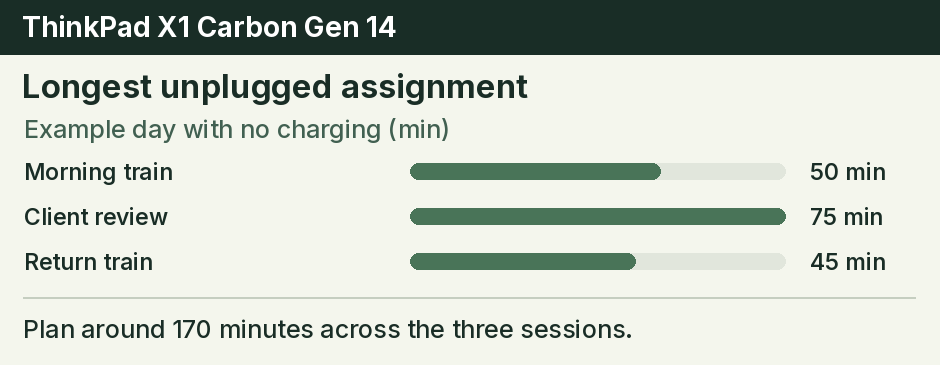
    ThinkPad X1 Carbon Gen 14 Specifying a panel around long unplugged work Low-power IPS versus OLED and the corresponding processor Does the purchased configuration match the endurance evidence?
    Yoga Slim 7i Ultra Aura Edition Gen 11 Frequent carrying with an Intel OLED-touch screen Final memory/storage and charging/accessory kit Is there a verified alternative charging and display route?

    MacBook Air 13 M5 — Best for a prepared Mac workflow

    Apple MacBook Air 13 M5. Calls and recovery on the road. Restart a sample call on the Mac fallback. Recover its notes before the next meeting begins.
    Apple product reference

    The Air is appealing when macOS already supports the complete workload. Its fanless design and separate MagSafe charging connection create a straightforward arrangement for quiet writing, calls and ordinary document work. Apple’s specification page identifies the relevant ports, camera and configuration options; verify the selected model rather than combining features from different generations.

    For a remote worker, preparation includes deciding how current files and account access will move to another approved computer. A dependable Mac workflow can make that recovery more straightforward, particularly when the organization already supports the platform. Settle capacity at purchase around the applications used together.

    Notebookcheck’s entry review provides the identified 16GB/512GB sample used in the battery table below. Its browsing result is useful context, while the actual call schedule should be rehearsed separately.

    ASUS Zenbook S14 UX5406AA — Best for a flexible connection plan

    ASUS Zenbook S14 UX5406AA. Calls and recovery on the road. Move the call to a bare desk with wired display. Keep power and the microphone available.
    ASUS product reference

    The S14 can suit a worker who changes equipment during the day. HDMI, USB-A, two Thunderbolt 4 ports and audio provide several direct connection routes, as documented in ASUS’s AA specifications. That can be convenient when a meeting room and a temporary desk provide different peripherals.

    Choose it when those direct routes simplify recurring work. Keep the charger accessible during a longer call rather than selecting a machine on the assumption that every task must run from battery. The built-in screen should also be comfortable for the documents shared in meetings.

    The original S14 review used an Ultra 9 configuration with Windows Home. A differently configured retail order needs its own identity in the buying record. This is particularly relevant when the employer requires a particular Windows edition or software image.

    Dell Pro 14 Premium PA14250 — Best for a defined company recovery process

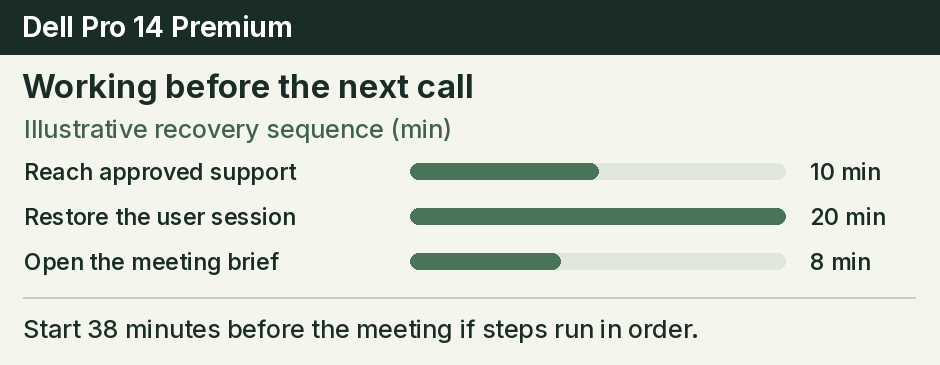
    Dell Pro 14 Premium. Working before the next call. Illustrative recovery sequence. Reach approved support: 10 min, Restore the user session: 20 min, Open the meeting brief: 8 min. Start 38 minutes before the meeting if steps run in order.
    Dell product reference

    The Dell Pro deserves consideration when the employer can specify the hardware, approved peripherals and support entitlement together. Its role here depends on that complete arrangement. Consult the model port manual when planning the charger, meeting-room connection and optional desk equipment.

    A company that can deliver an approved replacement and restore work quickly may provide more practical continuity than an employee improvising after a failure. Establish who authorizes that replacement, where the latest files are held and which account steps are required. A premium product name alone does not complete those decisions.

    The independent PA14250 review identifies the sample whose browsing result appears below. For travel abroad, also check the actual entitlement against Dell’s international support conditions, including destination and local availability.

    HP EliteBook Ultra G1i — Best for a specified Intel business order

    HP EliteBook Ultra G1i. Calls and recovery on the road. Check the approved HP image and its camera driver. Verify the rescue account reaches the work folder.
    HP product reference

    The G1i is another option when an employer defines the working environment. HP’s official solution brief provides the starting point for the model’s hardware and business features. Choose the actual order around the applications, panel and capacity required for the assignment.

    This approach is useful when the laptop must join an existing support process rather than become a separate personal experiment. Before departure, confirm that the approved conferencing application, security software and peripheral combination work together. Keep the recovery contact and order details accessible from another permitted device.

    Notebookcheck’s B66THAT review used 32GB memory and a 1TB SSD. Its measured result belongs to that configuration; a 512GB purchase listing is a different order. Keep that distinction clear when comparing costs and expected working periods.

    ThinkPad X1 Carbon Gen 14 — Best for choosing the panel around unplugged work

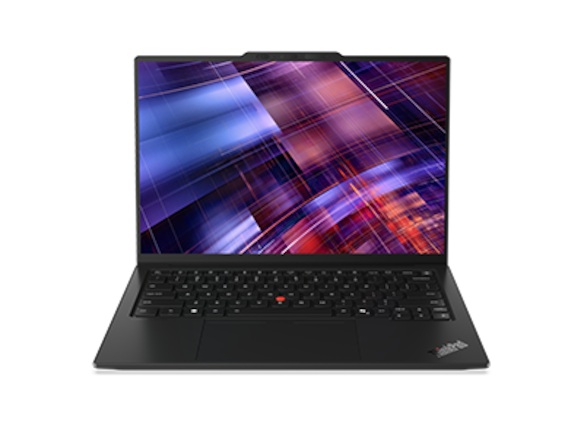
    Official Lenovo ThinkPad X1 Carbon Gen 14 product photograph
    Product image from Lenovo. ThinkPad X1 Carbon Gen 14 Aura Edition image source.

    The X1 Carbon is useful for a configuration-led decision. Lenovo documents both low-power IPS and OLED choices in the Gen 14 PSREF. A worker spending hours reading away from a socket has a reason to examine the panel alongside the processor and capacity.

    The identified IPS review provides a particularly relevant browsing sample. The same review also discusses a separate OLED version, illustrating why an entire family should not inherit one battery result. Obtain the panel identifier in the quotation and compare the evidence for that arrangement.

    For an overseas assignment, check the exact machine and destination through Lenovo’s IWS guidance. Pair the hardware choice with a file-recovery and replacement plan so that the long unplugged period is only one part of the decision.

    Yoga Slim 7i Ultra Aura Edition Gen 11 — Best for carrying between charging opportunities

    Lenovo Yoga Slim 7i Ultra. Calls and recovery on the road. Map the real charging stops between client visits. Take the charger needed for the longest interval.
    Lenovo product reference

    The Yoga is worth comparing when the routine includes repeated walks or transfers with an Intel Windows laptop. The 14IPH11 specification documents a 14-inch OLED touchscreen and three Thunderbolt 4 ports. Select the required capacity and include the intended charger and adapters in the travelling arrangement.

    Its attraction is most concrete when reliable charging exists at the main destinations and reducing the carried computer addresses a daily inconvenience. A worker making frequent calls should still rehearse the actual meeting workload. Screen, camera, applications and room brightness can change the operating pattern.

    Notebookcheck’s Ultra 7 355 review measured the particular 978g configuration used below. Compare its browsing result with the other identified samples, then choose according to the work and the available charging plan.

    Use browsing tests as a starting point for a power plan

    Original Notebookcheck sample Relevant configuration Published WLAN result
    MacBook Air 13 M5 entry Eight-core GPU; 16GB/512GB; IPS 16h11m
    Zenbook S14 UX5406AA Ultra 9 386H; 32GB/1TB; OLED touch 16h11m
    Dell Pro 14 Premium Ultra 7 268V; 32GB/1TB; OLED touch 15h09m
    EliteBook Ultra G1i B66THAT Ultra 7 258V; 32GB/1TB; OLED touch 12h02m
    X1 Carbon Gen 14 21V70075GE Ultra 5 325; 32GB/512GB; low-power IPS touch 23h13m
    Yoga Slim 7 Ultra 14IPH11 Ultra 7 355; 32GB/1TB; OLED touch 10h36m

    The publisher’s WLAN procedure uses a controlled browsing workload and approximately 150-nit display brightness. These samples differ in platform, panel, capacity and publication date. The results help investigate an unplugged reading or editing routine; a camera-on conference is a separate workload.

    Rehearse the interval that can break the day. Suppose a 45-minute call takes the charge from 72% to 54%, and the next hour of writing leaves 45%. The call used 18 percentage points and writing used nine. These are invented observations to show the log. Repeat with your own screen, headset and files before making a travel decision.

    Keep the charger reachable during the workday. Our USB-C travel-charging guide explains the questions to settle about charger, cable and device compatibility. A socket available during a planned break can be more useful than purchasing additional capacity that the workflow rarely uses.

    Set the reserve by the job still to do. In the example, a 25% reserve for the return journey leaves 20 percentage points at the end of the call and writing block (45 less 25). That is the headroom from this rehearsal. A second call, a brighter screen or a longer return can consume it.

    Review that record when the routine changes. A longer assignment, an additional daily meeting or a brighter temporary desk can justify adjusting the charging plan. It may be enough to move a charging break, leave an approved adapter at a regular destination or make the next documents available before leaving. The computer purchase and the working arrangement should be considered together. A carefully chosen machine becomes more useful when the owner knows where its energy is spent and when it will next receive dependable power.

    Give the meeting its own connection plan

    For an important call, confirm the connection at the place where the meeting will actually happen. A strong signal indicator or an impressive download result does not establish the complete experience. Upload capacity, network stability and other simultaneous traffic matter when sending camera video and sharing a screen.

    Microsoft’s Teams network guidance lists recommended meeting bandwidth and explains that media adjusts to network conditions. Treat that guidance as a planning reference, then check the employer’s actual meeting platform. Audio selection, headset comfort and camera position deserve a rehearsal alongside the network.

    Agree an approved fallback before the appointment. That could involve rejoining through a permitted phone or another available connection, depending on organizational policy. Keep the invitation and necessary contact information accessible from that route. Someone presenting should also have a way to send the current document to the meeting organizer if their own screen becomes unavailable.

    For a day with repeated customer sessions, see the separate meetings, ports and hotel-work guide. For a week alternating between familiar desks, the two-workspace comparison follows the connection arrangement in more detail.

    Prepare the files needed during an interruption

    Choose a small working set before departure: the documents required for the next appointments, current reference material and any permitted offline resources. Open the actual files while the intended connection is unavailable. This checks whether the material is present locally rather than represented by a cloud placeholder.

    Microsoft’s OneDrive Files On-Demand explanation distinguishes online-only files from files kept on the device. Selecting “Always keep on this device” downloads the file for offline use and consumes local space. Plan that space around the working set. For shared documents, confirm how changes will be reconciled when the connection returns.

    Also maintain the approved recovery copy. Synchronization and a separate recovery arrangement answer different questions: a change or deletion can propagate through a synchronized folder. Ask which version-history, backup or organizational restore process is available for the material that matters.

    Mac users can consult Apple’s Time Machine instructions for an external-drive backup and restore arrangement. The useful habit is to confirm a recent backup and understand how one required document would be recovered. Employer-managed systems may use a different approved process. Record it before travel, while the normal support contact and equipment are available.

    A short recovery sequence for a disrupted workday

    Write the next fixed commitment on your recovery card. If the laptop fails five minutes before a client call, the first question is whether the approved fallback account can join and whether a colleague has the latest deck. A restart can wait until those two arrangements are in place. Rehearse with a harmless meeting and a clearly labelled test slide.

    For a charging problem, note whether the laptop recognizes the adapter and whether the approved cable and power source are available. Use the steps appropriate to the model and employer’s process. Our charging checks before service provide a structured place to begin without assuming that every interruption requires replacing the computer.

    If repair is needed, confirm entitlement using the actual device identifier and destination. Service eligibility and local parts availability can affect the available route. Agree with the employer how work continues during that period: replacement authorization, account access, approved software and the current recovery copy all belong in the plan.

    The repair-or-replacement guide for mobile work develops that decision. A battery replacement may be relevant to an older machine, while a temporary replacement may be more important to the immediate assignment. Choose the action that addresses both the hardware condition and the work deadline.

    Compare continuity costs with hardware costs

    Put the necessary working arrangement beside the computer quotation. Include a compatible charger, headset, required connection equipment, recovery storage and the appropriate support. When some equipment can stay at the destination, separate that stationary cost from the bag carried every day.

    For example, a remote employee with two scheduled calls may benefit from a verified headset, charging access and a rehearsed phone fallback more than from a higher processor tier. A consultant carrying the computer between several appointments may place more value on a lighter complete kit. A worker maintaining large local projects may need additional storage and a deliberate backup arrangement.

    These cases justify different purchases even when each person calls the job “remote work.” Our working-kit guide covers the accessory side, while flight-day choices concentrate on the hours spent moving. Compare the complete arrangement that serves the actual day.

    Two schedules that justify different choices

    Consider an employee working from accommodation for four days. Charging is dependable at the desk, and two scheduled calls dominate each afternoon. The purchase should first fit the employer’s software and account requirements. Screen comfort, the headset arrangement and a stable meeting connection then shape the setup. A configuration with a moderate browsing result can still serve this routine well because the workday includes reliable power. A spare approved connection and accessible meeting invitations may be more valuable than pursuing the longest laboratory runtime.

    Now consider a consultant travelling between appointments, reading client material on the train and editing notes in waiting areas. Charging opportunities are less predictable, while the camera is used only briefly. The identified X1 IPS configuration becomes worth investigating for that reading-heavy pattern; the Yoga offers a different carrying balance. The decision should include the charger and adapter actually packed, along with the longest regular gap between sockets.

    Both workers need their next documents available locally and a current recovery copy. Neither needs to carry every possible peripheral. Writing down the schedule makes the comparison specific: where calls happen, when power is available, how long the laptop is carried, and which task must continue if the original device becomes unavailable. Those details make a shortlist useful without requiring every traveler to buy the same machine.

    Frequently asked questions

    How much battery life should I require for a remote-work laptop?

    Begin with the longest regular period without dependable charging, then rehearse the actual applications, screen brightness and meetings. Use a margin appropriate to the appointment schedule. Published browsing results are useful for comparing identified samples, while the selected configuration and personal workload determine the practical charging plan.

    Does a larger battery result mean better video calls?

    The browsing result does not measure the whole call experience. Network quality, microphone and headset behavior, camera position and the conferencing workload also matter. Check those elements together, then observe the battery change during representative meetings on the intended machine.

    Can cloud storage replace a backup?

    Use the organization’s approved file-recovery process. A synchronized folder makes current files convenient across devices, but a mistaken change can also synchronize. Confirm the available version history or backup, and practice recovering one important document before relying on it during travel.

    Should every traveler buy an enterprise laptop?

    Choose the order that supports the work and recovery arrangement. A personal purchase may be sufficient for supported ordinary applications. An employer-managed assignment can justify specified management, security and service features. Compare those requirements directly instead of inferring them from a family name or price.

    What is the most useful final check before departure?

    Open the next day’s files offline, rehearse the meeting route, confirm the charger and save the support contact where another permitted device can access it. Those checks make the chosen laptop part of a complete working plan, ready for the schedule ahead.

    Official sources & verification

    Manufacturer documentation checked 10 November 2026. Availability, bundles and specifications vary by region and configuration.

    1. Apple specifications
      Manufacturer documentation, identified purchase offer or original review, as attributed alongside the relevant claim.
    2. Notebookcheck review
      Manufacturer documentation, identified purchase offer or original review, as attributed alongside the relevant claim.
    3. ASUS specifications
      Manufacturer documentation, identified purchase offer or original review, as attributed alongside the relevant claim.
    4. Notebookcheck review
      Manufacturer documentation, identified purchase offer or original review, as attributed alongside the relevant claim.
    5. Dell documentation
      Manufacturer documentation, identified purchase offer or original review, as attributed alongside the relevant claim.
    6. PA14250 manual
      Source matched to the cited hardware, software guidance or original review sample.
    7. Notebookcheck review
      Manufacturer documentation, identified purchase offer or original review, as attributed alongside the relevant claim.
    8. international-travel guidance
      Source matched to the cited hardware, software guidance or original review sample.
    9. HP documentation
      Manufacturer documentation, identified purchase offer or original review, as attributed alongside the relevant claim.
    10. solution brief
      Source matched to the cited hardware, software guidance or original review sample.
    11. Notebookcheck review
      Manufacturer documentation, identified purchase offer or original review, as attributed alongside the relevant claim.
    12. Lenovo configuration
      Manufacturer documentation, identified purchase offer or original review, as attributed alongside the relevant claim.
    13. Lenovo specifications
      Manufacturer documentation, identified purchase offer or original review, as attributed alongside the relevant claim.
    14. Notebookcheck review
      Manufacturer documentation, identified purchase offer or original review, as attributed alongside the relevant claim.
    15. Lenovo’s IWS guidance
      Source matched to the cited hardware, software guidance or original review sample.
    16. Lenovo configuration
      Manufacturer documentation, identified purchase offer or original review, as attributed alongside the relevant claim.
    17. Lenovo specifications
      Manufacturer documentation, identified purchase offer or original review, as attributed alongside the relevant claim.
    18. Notebookcheck review
      Manufacturer documentation, identified purchase offer or original review, as attributed alongside the relevant claim.
    19. publisher’s test method
      Source matched to the cited hardware, software guidance or original review sample.
    20. Teams network guidance
      Source matched to the cited hardware, software guidance or original review sample.
    21. OneDrive Files On-Demand explanation
      Source matched to the cited hardware, software guidance or original review sample.
    22. Apple Support: Back up your Mac with Time Machine
      Official external-drive backup workflow; backup disk should be dedicated to Time Machine.
  • Lightweight Laptops for Business Travelers: Meetings, Ports and Hotel Work

    Laptop comparisons

    By

    For business travelers who present to clients and then finish substantial work in accommodation, compare the ASUS Zenbook S14 and an appropriate Dell Pro or ThinkPad configuration when direct monitor connections matter. Consider the HP EliteBook Ultra for an approved USB-C desk, the LG gram Pro 16 for a larger self-contained workspace, and the Lenovo Yoga Slim 7i Ultra when a lighter Intel OLED-touch computer fits the required accessories. The best choice follows the equipment used at the destination.

    Asking “Which lightweight laptops would you recommend for business travelers?” often produces a discussion of airport carrying weight. A presentation-heavy trip creates another problem: the laptop may need to connect reliably to unfamiliar displays, preserve a working charging arrangement and remain comfortable for several evenings of reports. This guide follows that sequence from meeting room to hotel desk.

    Describe the destination before choosing the computer

    Begin with the first event after arrival. Will the laptop drive a room display through HDMI, connect through a USB-C meeting-room cable or run a call using its own screen? Ask the venue or host to identify the connection if possible. A photograph of the actual sockets is more useful than an assurance that the room has a modern projector.

    What must still get done after the meeting? Sending three notes is a different screen problem from reviewing a 12-month forecast and the assumptions beside it. Set the hotel display decision by the harder evening you actually repeat.

    Our general business-traveler laptop guide provides the broader selection. The choices below focus on repeated connections and temporary desks. For the earlier part of the journey, the flight-day choices guide considers packed weight, restricted table space and work between charging opportunities.

    Six arrangements worth comparing

    Read the final model suffix in the quote before counting sockets. Next to each device, write the one item you could leave in the office and the one you would still have to pack.

    Candidate Useful destination role Direct connection reference Question that should settle the purchase
    ASUS Zenbook S14 UX5406AA Intel OLED work with familiar desk equipment HDMI, USB-A, two Thunderbolt 4 ports Do its fixed capacity and chosen CPU fit the workload?
    Dell Pro 14 Premium PA14250 A company-managed trip with a defined service order HDMI, USB-A, two Thunderbolt 4 ports What panel and support entitlement are actually included?
    HP EliteBook Ultra G1i An approved business computer for a USB-C desk USB-A, three Thunderbolt 4 ports Is a separate HDMI connection required?
    Lenovo ThinkPad X1 Carbon Gen 14 A specified business build for mixed meeting and desk work HDMI, USB-A, three Thunderbolt 4 ports Which screen, processor and optional features are ordered?
    Lenovo Yoga Slim 7i Ultra Gen 11 Low-mass Intel OLED touch with a selected adapter kit Three Thunderbolt 4 ports Does the complete connection kit preserve its carrying benefit?
    LG gram Pro 16Z90U A larger screen when no external monitor is available HDMI, USB-A, two Thunderbolt 4 ports Does the larger enclosure fit the real desk and bag?

    ASUS Zenbook S14 UX5406AA — Best for familiar connections at a temporary Intel desk

    ASUS Zenbook S14 UX5406AA. Meetings followed by hotel work. Reserve a socket for the room camera and display. Reconnect the charger before the long evening task.
    ASUS product reference

    The S14 is a useful starting point when the trip repeatedly involves HDMI displays and USB-A equipment. ASUS documents those connections alongside Thunderbolt 4 in the AA model. Its OLED touchscreen also provides a built-in working display when a destination monitor is unavailable. Use the relevant column in the official specifications.

    Its role comes from reducing connection changes, not from winning every hardware category. Confirm onboard memory and the particular processor on the offer. The original reviewed configuration used Ultra 9 386H; a similarly named US offer can use another processor and Windows edition.

    Dell Pro 14 Premium PA14250 — Best for a company order with defined responsibilities

    Dell Pro 14 Premium. Meetings followed by hotel work. Get the order code from the company fleet record. Ask who handles a fault at the client site.
    Dell product reference

    A Dell Pro purchase can make sense when the employer needs a specified business configuration and an established support process. The PA14250 manual identifies HDMI, USB-A and Thunderbolt connections that can be relevant to repeated client visits.

    The order matters more than the badge. Obtain the selected panel, capacity, operating-system edition and service terms together. The independently reviewed OLED sample is useful hardware evidence, but it does not establish the local repair response attached to another order or the availability of a replacement computer.

    HP EliteBook Ultra G1i — Best for continuing an approved USB-C office setup

    HP EliteBook Ultra G1i. Meetings followed by hotel work. Bring the office USB-C setup to the hotel trial. Check which pieces the hotel desk cannot supply.
    HP product reference

    The Intel G1i is relevant when the organization already supports the HP configuration and uses USB-C monitors or docks. HP documents three Thunderbolt 4 connections, USB-A and a 14-inch OLED display in its solution brief. HDMI is an additional connection decision.

    That arrangement can work well for a longer stay with a known desk, while an HDMI-heavy itinerary needs the corresponding adapter. Keep the Intel model separate from similarly named Snapdragon products. The original G1i review identifies its own sample rather than measuring every configuration in the family.

    ThinkPad X1 Carbon Gen 14 — Best for matching the business build to the assignment

    ThinkPad X1 Carbon Gen 14. Meetings followed by hotel work. Ask whether this assignment requires mobile data. Verify the modem option on the supplied order.
    Lenovo product reference

    The X1 family offers a way to specify screen choice and a business connection set together. Its Lenovo specification document identifies HDMI, USB-A and Thunderbolt 4, with additional features dependent on the build.

    The useful question is which configuration serves the assignment. The published IPS and OLED evidence shows why one family name cannot supply a single weight or endurance figure. Record the screen and processor on the quote, then confirm the employer’s requirements and support entitlement for that particular order.

    Lenovo Yoga Slim 7i Ultra Aura Edition Gen 11 — Best for a low-mass Intel touchscreen kit

    Lenovo Yoga Slim 7i Ultra. Meetings followed by hotel work. Put the client display lead in the lightweight kit. Try touch interaction from the available desk seat.
    Lenovo product reference

    The Yoga provides a light Intel laptop with OLED touch, but the destination kit needs to be chosen alongside it. The official 14IPH11 document lists three Thunderbolt 4 ports rather than built-in HDMI or USB-A.

    It is a reasonable candidate when carrying is frequent and the required adapter arrangement is already known. The original measured review supplies sample-specific weight and battery evidence. Add the real adapter, charging cable and any wired audio requirement before deciding whether its lighter computer produces the more useful complete setup.

    LG gram Pro 16Z90U — Best for a larger self-contained evening workspace

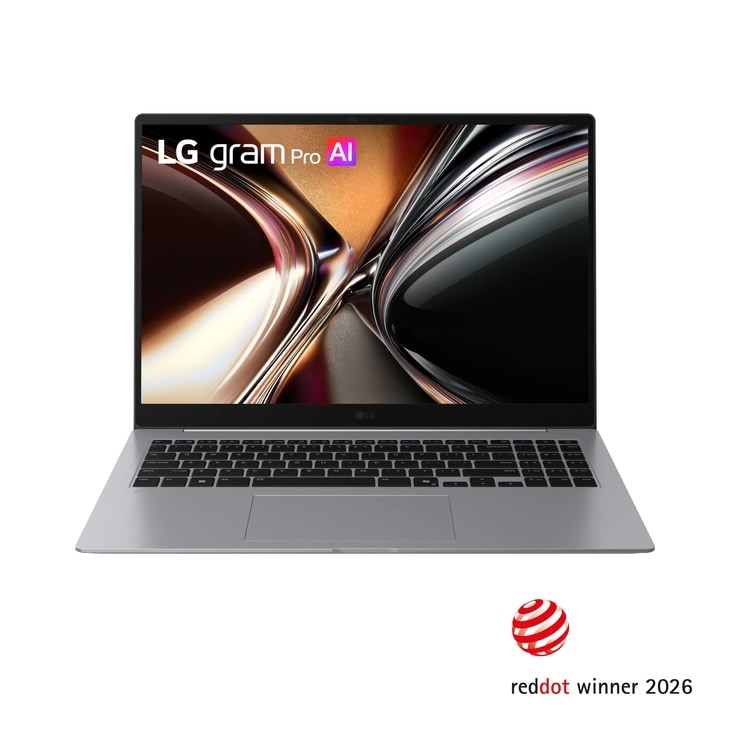
    Official LG gram Pro 16Z90U product photograph
    Product image from LG. LG gram Pro 16Z90U-K.AUB6U1 image source.

    The gram belongs in the comparison when the laptop itself must provide the working display throughout a longer stay. LG’s global family documentation identifies a 16-inch OLED option, numeric keypad and conventional presentation connections.

    The larger screen should earn its place through the documents you use. Open a representative spreadsheet or compare two report pages at comfortable text size. Its larger physical enclosure still needs a suitable bag and desk. The first-hand Techgoondu article provides further reading, but did not perform a battery-drain test; no runtime is inferred from it.

    Map four connections before buying a hub

    The first connection is the room display. Identify the connector, required resolution and whether sound should travel through the same path. The second is power: decide which port or charger will keep the computer charged while it is presenting. The third is data, such as a storage device or an approved network adapter. The fourth is audio, if the meeting uses a wired headset or separate room equipment.

    Draw the arrangement on paper. A laptop with two USB-C sockets can be suitable, but a display adapter, charger and data accessory may require a different plan from a laptop with HDMI and USB-A built in. Conversely, a single compatible desk cable can make a direct-port advantage less relevant at a known destination.

    The hub, dock and direct-connections guide develops this distinction. A USB-C connector shape alone does not establish display, charging or data capability. Match the computer documentation, adapter documentation and cable capability rather than assuming an accessory works because the plugs fit.

    Rehearse the presentation, including the awkward ending

    A useful rehearsal begins with the exact presentation file. Open it locally and check fonts, embedded media and any material that ordinarily depends on a network connection. Export a suitable backup format where the work permits it, but confirm that the backup preserves the information and interactions needed for this particular presentation.

    Park on a slide containing a short clip. Ask a colleague at the back of the room to confirm both the sound and the picture. Then stop sharing, unplug and open a mock confidential note. Reconnect the display with the deck in front again. A visible note, silent clip or slide stuck on the previous frame each identifies a different problem to fix.

    Also check what happens after disconnecting and reconnecting the arrangement. Confirm which screen holds the presentation and which remains available for private notes. The rehearsal is a practical task for the chosen equipment; it is not a comparative laboratory test or a claim that a particular brand will avoid every connection problem.

    Use a repeatable arrival routine

    Give each meeting setup a short, repeatable order. Place the computer where the lid can open comfortably, attach the display route, connect power, and then add the data or audio equipment required for the session. Check the actual presentation view before participants depend on it. This is an organizational routine for the chosen kit, not a claim that every connection will complete in a fixed number of seconds.

    Keep the smallest complete equipment set together. A display adapter that lives in another bag is functionally absent when the meeting begins. Label similar-looking cables if they serve different roles, and separate an essential presentation cable from an optional convenience item. The point is to reduce decisions at arrival, rather than making the pouch as large as possible.

    After the session, check what has changed. A cable may have been moved to a different room, the external display may have become the primary screen, or a file may have been saved somewhere unexpected. Closing the loop makes the next setup more predictable. It also supplies better feedback for a future purchase than remembering only whether the laptop felt light at the airport.

    Choose a hotel workspace that makes the screen useful

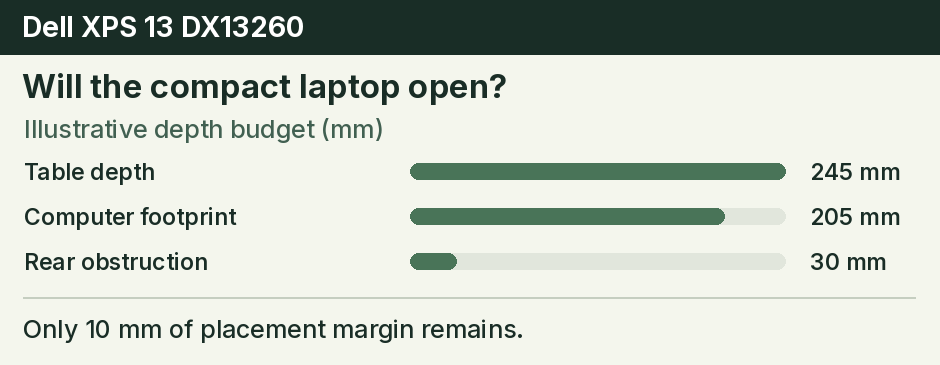
    Make a cardboard template the depth of the candidate laptop and place it on a table like the one in the room. Add your mouse, a sheet of paper and the power lead on the side where the socket actually is. The gram’s larger panel buys useful space on screen only if the larger base leaves enough room for the rest.

    The gram’s larger built-in screen and the smaller OLED candidates represent different ways to solve that problem. A 16-inch enclosure also consumes more desk space. Place the proposed dimensions beside the mouse, power cable and papers you actually use. Leave room for a working posture instead of treating the entire desk surface as laptop clearance.

    A portable monitor should have a recurring job before it enters the bag. It adds another item to power, position and transport. Compare a larger laptop, a smaller laptop with an additional display and a destination monitor as complete arrangements. Our one computer, two workspaces guide follows that choice across home and temporary desks.

    Treat calls as a separate workload

    A day of presenting and a night of video meetings do not resemble a single browsing benchmark. Camera operation, background applications, display brightness and the selected conferencing software all contribute to the practical workload. The microphone position and room acoustics also affect whether the setup is comfortable for other participants.

    Run a normal-length call using the intended arrangement. Check whether the external display, headset and charger can remain connected together. Observe the battery trend and any inconvenience caused by cables or device placement. A short successful call is useful confirmation, but a longer representative session is better planning evidence for an evening of meetings.

    Published endurance numbers still help when their scope is clear. Notebookcheck’s documented WLAN procedure is a browsing test, not a promise for calls. The business-travel battery guide explains how to combine manufacturer claims, independent samples and your own work rehearsal without merging them into one guaranteed figure.

    Compare the total purchase, not only the headline price

    Ask for complete quotes on the same date. List the exact screen, memory, SSD, operating-system edition and included service. Then add the accessories required for the meeting arrangement: perhaps a display adapter, a suitable cable or an approved dock. Separate a necessary connection from an optional convenience.

    An illustrative example makes the arithmetic clearer. Suppose one quoted computer is $120 less expensive but needs $45 of connection equipment that the other arrangement already provides. The immediate difference becomes $75. Those figures are an example, not current prices for the named machines. They do not quantify future reliability, downtime or resale value.

    A business Pro order and a consumer Home order can also contain different services or licensing. Equal memory and SSD capacities do not make them equivalent. Compare what will actually be delivered and identify which difference serves the trip. The working-kit accessories guide can help remove items that have no recurring use.

    Check charging while the desk is fully occupied

    A charging decision should be tested with the display and data accessories already attached. A charger used alone may behave differently from a multiport unit sharing power among devices. Check the specified output for the chosen port combination and use an appropriate cable. The complete charging route needs to match the computer and the intended workload.

    Also decide where the charger will live during the day. Moving one unit between meeting rooms and accommodation can simplify the bag, while a fixed destination arrangement can reduce repeated packing. Neither approach is universally better. The useful choice depends on how frequently the workspace changes and which equipment is available there.

    Our USB-C charging guide for travel provides related editorial guidance. The actual power requirements still come from the computer and charger manufacturers. A higher printed watt figure on its own cannot establish compatibility or the behavior of every shared-port arrangement.

    Write a failure plan that fits the assignment

    For a one-night trip, a problem may be handled after returning to the usual office. For several weeks away, the team needs a more concrete plan. Establish who can authorize a replacement computer, how work files can be recovered and what account access the replacement will require. These are operational questions, separate from the hardware’s repairability.

    A machine with a replaceable storage component is not automatically one that a traveler is allowed to repair. Employer rules, encryption and support procedures can matter. Ask the organization for the permitted recovery route and confirm the included manufacturer’s service terms for the actual destination. A business-family name should not be treated as a promise of immediate repair abroad.

    This planning can change the shortlist. A supported Dell Pro, EliteBook or ThinkPad order may fit a managed fleet; a different consumer-family computer may suit a personally supported workflow. The useful distinction is the real entitlement and recovery process, not an assumption that one category has a universal service advantage.

    Keep a room-by-room equipment record

    A traveler visiting the same destinations repeatedly can build a simple equipment record. For each room, note the display connection used, whether the planned charger arrangement was convenient and which adapter actually completed the work. Include a short description of the task, because showing slides and running a live demonstration can demand different arrangements.

    Use observations rather than an informal brand score. “The USB-C monitor supplied the tested setup and left the other port free” is useful information. “This brand always works” is not. A connection that was available in one room does not establish what another venue will provide, and a changed desk arrangement deserves another check.

    Over several trips, the record can change the purchase priority. Repeated HDMI use gives a direct-port candidate a clear role. Repeated evenings without a usable monitor give the larger built-in screen a stronger case. A stable USB-C desk can make an approved lighter computer with a tested adapter kit equally practical. This turns equipment history into a buying reason without pretending it is a controlled reliability study.

    A selection process for three meeting-heavy trips

    For a two-day sales visit, list the room displays and the short evening tasks. A direct HDMI arrangement may reduce accessories, while a lighter USB-C-only machine may remain attractive if the tested adapter kit is simple. Compare the complete bags, including the power supply and the display path.

    For a week of training sessions, repeatable setup becomes more valuable. The computer will connect to the same equipment many times, so rehearse the full teaching or demonstration workflow. Screen comfort in accommodation also deserves attention if the following day’s material must be revised each evening.

    For a month-long client assignment, choose the computer and temporary office together. Confirm the monitor or built-in screen, input arrangement, charging route, approved software and recovery plan. The best purchase may be a familiar supported configuration that disappears into the working routine. A specification premium has value only when it removes an inconvenience that will actually recur.

    Frequently asked questions

    Does built-in HDMI make a laptop automatically better for business travel?

    It is useful when HDMI displays recur and a direct connection simplifies the kit. At a known USB-C desk, another arrangement may be equally practical. Map the actual display and charging route before deciding. Count required adapters and their placement rather than awarding points for sockets without a use.

    Should I choose Thunderbolt because the connector is USB-C?

    Check the exact computer and accessory documentation. USB-C describes the physical connector, while supported functions and capabilities differ. The same product family can even change ports with the processor selection. Match the required display, data and charging functions to the complete equipment chain.

    Is a larger laptop better for a week in a hotel?

    It can be better when the built-in screen is the main workspace and additional display area improves the documents. It can also consume space needed for a mouse or papers. Compare the actual dimensions with a comfortable working arrangement before treating screen size as the deciding specification.

    How much memory should a presentation laptop have?

    Start with the applications that run together, including conferencing and background organizational software. Open representative files and observe the intended workflow. The requirement can differ from a simple slide show to a demonstration involving large local data. Buy the capacity justified by that work and the employer’s minimum configuration.

    Can I rely on a browser version of every necessary application?

    Confirm the specific functions, account requirements and offline behavior. A web application may simplify platform support while increasing dependence on a usable connection. Where a local client or device driver is required, test it separately. Microsoft’s Windows Arm FAQ illustrates why application and driver support should be checked independently.

    How were these recommendations assessed?

    The site methodology distinguishes manufacturer specifications, published independent measurements and our editorial scenarios. Related Portable Laptop Guide articles extend that analysis; they are not independent tests of these products. The manufacturer and original review links above provide the product evidence for each role.

    Official sources & verification

    Manufacturer documentation checked 10 November 2026. Availability, bundles and specifications vary by region and configuration.

    1. ASUS specifications
      Manufacturer documentation, identified purchase offer or original review, as attributed alongside the relevant claim.
    2. Notebookcheck review
      Manufacturer documentation, identified purchase offer or original review, as attributed alongside the relevant claim.
    3. Dell documentation
      Manufacturer documentation, identified purchase offer or original review, as attributed alongside the relevant claim.
    4. PA14250 manual
      Source matched to the cited hardware, software guidance or original review sample.
    5. Notebookcheck review
      Manufacturer documentation, identified purchase offer or original review, as attributed alongside the relevant claim.
    6. HP documentation
      Manufacturer documentation, identified purchase offer or original review, as attributed alongside the relevant claim.
    7. solution brief
      Source matched to the cited hardware, software guidance or original review sample.
    8. Notebookcheck review
      Manufacturer documentation, identified purchase offer or original review, as attributed alongside the relevant claim.
    9. Lenovo configuration
      Manufacturer documentation, identified purchase offer or original review, as attributed alongside the relevant claim.
    10. Lenovo specifications
      Manufacturer documentation, identified purchase offer or original review, as attributed alongside the relevant claim.
    11. Notebookcheck review
      Manufacturer documentation, identified purchase offer or original review, as attributed alongside the relevant claim.
    12. Lenovo configuration
      Manufacturer documentation, identified purchase offer or original review, as attributed alongside the relevant claim.
    13. Lenovo specifications
      Manufacturer documentation, identified purchase offer or original review, as attributed alongside the relevant claim.
    14. Notebookcheck review
      Manufacturer documentation, identified purchase offer or original review, as attributed alongside the relevant claim.
    15. LG specifications
      Manufacturer documentation, identified purchase offer or original review, as attributed alongside the relevant claim.
    16. LG specifications
      Manufacturer documentation, identified purchase offer or original review, as attributed alongside the relevant claim.
    17. Techgoondu review
      Manufacturer documentation, identified purchase offer or original review, as attributed alongside the relevant claim.
    18. publisher’s test method
      Source matched to the cited hardware, software guidance or original review sample.
    19. support.microsoft.com — cited product or review source
      Manufacturer documentation, named sales offer or original review, as identified in this article.
  • Lightweight Laptops for Graduate Students: Research Software and Memory

    Laptop comparisons

    By

    Which lightweight laptops are good for graduate students? Start with the software and the location of the computation. ASUS Zenbook S14, Dell Pro 14 Premium, ThinkPad X1 Carbon Gen 14 and Lenovo Yoga Slim 7i Ultra offer different Intel Windows arrangements; MacBook Air M5 suits a verified Apple-silicon workflow; ASUS Zenbook A14 is worth considering when the complete Windows Arm toolchain is supported. Choose memory from representative research tasks, then compare portability, screen and connections within the compatible group.

    A sociology project using SPSS, a physics project using MATLAB and a computer-science project connecting to a university GPU server can all be described as graduate research. Their laptop requirements still differ. The first question is not which processor has the most impressive name. It is which parts of the project must run locally, which platform those parts support, and what happens when the student works away from the campus network.

    The discussion below uses official software documentation for compatibility, manufacturer documents for hardware and named independent reviews for sample measurements. Recommendations are editorial judgments, not newly measured application benchmarks. Our graduate laptop overview covers the wider purchase, while the companion thesis-writing and reading comparison concentrates on a document-led workload.

    Audit the project before choosing the laptop

    Write down the exact application, version, extensions and connection method for each regular task. A list saying Python, statistics and CAD is too broad. Record whether a Python project uses a compiled package, whether statistics work depends on a particular licensed module, and whether a simulation requires a specific operating system or graphics API. Ask the supervisor or course team which setup they can actually support.

    Then mark the execution location. A notebook edited in a browser can run on a university server, while a similar-looking notebook can execute entirely on the laptop. The screen may look almost identical. Its CPU, memory and GPU demands will not be. A student should understand that distinction before spending a portability budget on hardware that the project never uses, or buying a small machine that cannot complete an essential offline task.

    Finally, preserve one representative project as a purchasing check. It should contain the package environment, a permitted sample dataset, an analysis step and the expected output. A successful installation is only the beginning: run the transformation, save a result and reopen it. The 16GB, 32GB and 64GB graduate-work guide is useful further reading once this workload is defined.

    Keep a short record of what a successful check looks like. Include the command or menu action, the expected output and the point at which the session is busiest. If the project will be demonstrated on another machine, use the same permitted sample and procedure. That makes the comparison easier to explain to a supervisor and prevents a quick application launch from being mistaken for a complete research-workflow test.

    Platform support is specific to products and versions

    Research component Current primary-source finding Consequence for a purchase
    IBM SPSS client products on Windows Arm IBM’s architecture guidance does not establish Windows Arm support; it separately describes Apple-silicon support for macOS Statistics Do not treat all Arm systems as equivalent or rely on a Windows emulator as a support promise
    MATLAB R2026b on Windows MathWorks lists Snapdragon X and states that Windows Arm operation uses Prism; some capabilities are unsupported Check the exact toolbox, hardware integration and release
    MATLAB R2026b on Mac MathWorks documents Apple-silicon operation and platform-specific product exclusions Verify required products and acceleration, not only the MATLAB application name
    RStudio Desktop Posit lists platform-specific installers and requires R to be installed separately Check the IDE, R build and project packages together
    Python/pandas analysis pandas documents in-memory operations and intermediate copies Dataset size on disk is an incomplete memory estimate
    University browser research service Access and available resources depend on the institution and account Establish entitlement, quotas and off-campus access before buying around it

    The software information here was reviewed on 10 November 2026. Recheck the release used by the department when ordering; a supported platform is not a guarantee that every extension or laboratory peripheral is supported.

    SPSS and MATLAB demonstrate why a generic Arm rule fails

    IBM’s SPSS architecture guidance distinguishes desktop architectures and includes a specific Apple-silicon exception for macOS Statistics. That is a reason to verify the selected SPSS product and release, rather than assume that a Snapdragon Windows laptop and an M-series Mac have the same support status. A research plan built around an unsupported local installation is a poor basis for saving a little carrying weight.

    MATLAB now needs a different description. The R2026b Windows requirements include Qualcomm Snapdragon X processors and say that MATLAB runs through Prism on Windows Arm, with some unsupported capabilities. The Mac requirements describe Apple-silicon support and list products unavailable on macOS. The correct question is therefore whether the actual course or laboratory toolchain works on that platform. A demonstration of a simple script cannot validate every toolbox, compiler integration or attached instrument.

    This matters even for an Intel purchase. Check the installed Windows edition, available licence and the department’s deployment procedure. A machine can meet a software minimum while leaving little practical headroom for simultaneous work. Conversely, an expensive laptop can add no useful capability when the licensed application runs on a university workstation. Compatibility creates the eligible set; the research workflow decides what is worth paying for within it.

    Estimate working memory from the operation, not the download

    Consider an explicitly simplified calculation: one million rows containing thirty double-precision numeric values require 240,000,000 bytes for those values alone, because each value occupies eight bytes. This is arithmetic, not a prediction of a particular program’s actual allocation. Column metadata, text, indexes, intermediate objects, the application and the operating system add other demands. A transformation that temporarily holds an input and an output can increase the peak further.

    A join can change the shape of this estimate. If a survey file contains three visits for one participant and a second file contains four specimen records for the same participant, joining on participant ID alone can produce twelve rows for that person. If the intended match is one specimen per visit, inspect the key columns before buying memory to accommodate the larger output. A useful trial records the row count on both sides of the join and in the result, alongside peak memory for that step.

    pandas’ own scaling guide discusses intermediate copies, reading fewer columns, efficient data types and workloads that can be processed in chunks. Those approaches can change the purchase discussion, but they are not a guarantee that every analysis can be divided into small pieces. Some operations require relationships across the full dataset. Reducing the data intelligently and increasing available memory answer related but different problems.

    Our planning starting point is 16GB for a verified light local workload, 32GB for a student who regularly combines analysis with substantial multitasking, and a separate investigation of 64GB or remote resources when representative jobs already exceed that envelope. These are editorial planning bands, not universal software requirements. Observe a real project, including its busiest step, and keep enough capacity for the rest of the session. A fixed-memory laptop makes that decision difficult to reverse later.

    Six hardware arrangements to compare

    Candidate Hardware reason to investigate Configuration issue to settle
    ASUS Zenbook S14 UX5406AA Intel Windows, 14-inch OLED and direct HDMI/USB-A Fixed memory; exact processor and OS
    Dell Pro 14 Premium PA14250 A department-managed Intel setup and conventional ports Panel-specific mass, support and approved configuration
    ThinkPad X1 Carbon Gen 14 IPS/OLED options and documented business configurations Match display, processor, memory and price
    Lenovo Yoga Slim 7i Ultra Gen 11 Low-mass Intel computer with a 14-inch touchscreen USB-C-only ports and soldered memory
    Apple MacBook Air 13-inch M5 A supported Mac toolchain in a fanless portable body Required products, memory and sustained workload
    ASUS Zenbook A14 UX3407NA Light Windows Arm computer with useful direct connections Full application, package and driver support

    ASUS Zenbook S14 UX5406AA — Best for an Intel research setup with direct connections

    ASUS Zenbook S14 UX5406AA. Research software and memory. Connect both the instrument and analysis display. Capture one sample before buying the study kit.
    ASUS product reference

    ASUS’s official AA specification lists a 14-inch OLED touchscreen, 1.20kg mass, two Thunderbolt 4 ports, USB-A, HDMI and audio. This makes the S14 a candidate for a student who works locally in a supported Intel environment and repeatedly connects to a monitor or an established accessory arrangement.

    Picture an economics project with a data editor, analysis window and chapter open together. The useful purchase is the configuration that maintains that session without exceeding the available resources. A processor family label alone does not establish its performance on the student’s scripts. The 32GB onboard capacity documented for the AA family is fixed, so it belongs on the purchasing decision rather than a future-upgrade list.

    Keep the retail offer separate from a reviewed sample. Notebookcheck’s AA review concerns an identified Ultra 9 machine, while an Ultra 7 offer can be a different order. Choose the S14 when platform and connections fit; select a different class of system when a required local GPU workload exceeds what this arrangement provides.

    Dell Pro 14 Premium PA14250 — Best for continuity with a supported departmental configuration

    Dell Pro 14 Premium. Research software and memory. Ask the lab to restore the approved Dell image. Verify the instrument driver after recovery.
    Dell product reference

    Dell’s connection manual documents two Thunderbolt 4 ports, USB-A, HDMI and a headset connection. Its weight table separates panel choices, including a 1.141kg minimum for the battery-saving FHD+ arrangement and 1.219kg for OLED.

    This is worth investigating when a research group already deploys a defined Dell configuration, installs the required applications and offers a known support route. Those arrangements can matter during a deadline. They must still be confirmed: a business-family name does not prove that a student receives the same service, management features or software access as departmental staff.

    For a personally funded purchase, compare what the actual order contributes. A different panel or memory capacity can change both the experience and the price. The Pro is not automatically a better research computer than a consumer-family Intel laptop. Its strongest case is continuity with a useful, documented institutional setup.

    ThinkPad X1 Carbon Gen 14 — Best for choosing a research configuration deliberately

    ThinkPad X1 Carbon Gen 14. Research software and memory. List the largest dataset and required extensions. Match the purchase memory to the repeatable run.
    Lenovo product reference

    The X1 Carbon PSREF documents IPS and OLED choices, Intel processor options, HDMI, USB-A and three Thunderbolt 4 ports. Its flexibility is useful only when the selected order is clear. Display, memory, processor and service details should appear together on the quote.

    A policy researcher who reads on campus and analyses locally at home may prefer an IPS configuration and an external monitor. Another student may place greater value on OLED. Neither should inherit a battery result measured on a different panel. The original IPS review identifies its own 21V70075GE sample; it is not a measurement of every possible X1.

    For a remote analysis project, open the X1 with the supervisor’s usual display arrangement and repeat the part you do locally. A large dataset resident on the departmental server contributes no comparable local array until you download or materialize part of it. Check the size of the table or plot you actually bring back. A mistaken full-table download can change the memory requirement more than switching between two compatible Intel configurations.

    Lenovo Yoga Slim 7i Ultra Gen 11 — Best for a light Intel machine between research locations

    Lenovo Yoga Slim 7i Ultra. Research software and memory. Carry the laptop between lab bench and seminar. Check whether the local job fits the quoted memory.
    Lenovo product reference

    Lenovo’s 14IPH11 specification lists a 975g starting weight, 14-inch OLED touchscreen and three Thunderbolt 4 connections. Its memory is soldered. These are hardware facts supporting a carrying-focused choice, rather than proof that the machine is fastest for a named research application.

    The Yoga can suit a student who needs a supported Intel Windows stack but carries the computer through several buildings most days. Before selecting it, connect the actual monitor, recording device or laboratory accessory through the intended arrangement. An adapter can solve a connector problem without solving an unsupported driver or an application-platform problem.

    Notebookcheck’s reviewed unit used Core Ultra 7 355, 32GB and a 1TB SSD. Those identifiers are useful when checking evidence. Compare the same real project on any shortlisted machine where a demonstration is available, and avoid treating a general laptop review as a benchmark of your analysis. Low weight is valuable when the local workload fits.

    Apple MacBook Air 13-inch M5 — Best for a verified Apple-silicon research toolchain

    Apple MacBook Air 13 M5. Research result handoff. Illustrative connection budget. Upload the script: 3 min, Remote run: 20 min, Retrieve and inspect output: 7 min. The result takes 30 minutes if every stage is available.
    Apple product reference

    The MacBook Air specification lists a 13.6-inch IPS display, 1.23kg mass and configurable memory and storage. Its fanless body is useful for quiet work. That design does not establish superior sustained performance for every analysis, and the compact display may encourage use of an external monitor for a multi-pane research environment.

    A Mac can be a sensible choice for supported R, Python and other Apple-silicon applications. Posit’s current RStudio download documentation lists a universal macOS installer and separately requires an installation of R. The entire package environment still matters: verify the project’s compiled dependencies, external tools and any required research device.

    Check local acceleration requirements before ordering. A requirement for a particular GPU software stack is more specific than wanting a powerful computer. MathWorks, for example, documents platform-specific acceleration and product limits. If the demanding work runs remotely, an Air may serve well as the interface; if it must run locally in an unsupported environment, choose a compatible system instead.

    ASUS Zenbook A14 UX3407NA — Best for a validated Windows Arm research environment

    ASUS Zenbook A14 UX3407NA. Research software and memory. Install the controller on the intended Arm build. Run the full capture-to-export job under your login.
    ASUS product reference

    ASUS’s NA specification identifies Snapdragon X2 Elite, a 14-inch 1920×1200 OLED non-touch display and 0.99kg listed mass. USB-A, HDMI, audio and two USB4 ports provide useful direct connections. Its low weight is an option within a supported workflow, not a reason to skip the software audit.

    A computer-science student editing code and connecting to approved remote resources may have a different compatibility outcome from a student requiring a locally installed SPSS client. The latest MATLAB documentation also shows why a blanket claim that all research software rejects Arm would be wrong. Check the required version and functions, then test the representative project.

    Microsoft’s Arm FAQ treats driver support separately from application emulation. Include the university VPN, security tools, scanner and laboratory interface in that check. Choose an Intel alternative if an essential dependency remains unsupported, and investigate the A14 when the complete environment has been validated.

    Three research projects and three resource decisions

    For a survey-based social-science project, begin with the actual data import, recoding and analysis steps. A file that opens successfully may still produce a larger working set during a merge or model fit. Keep the writing application and reference manager active if that reflects the normal session. Use the observed peak and the licensed software’s requirements to decide whether 16GB is sufficient or whether 32GB provides useful room. Do not assume every small survey needs a workstation.

    For an engineering project, ask which functions run locally and which tools communicate with hardware. A supported numerical application does not prove compatibility with every compiler, acquisition device or specialized product. If a model requires a particular GPU or substantial local memory, a lightweight integrated-graphics shortlist may be the wrong category. A portable computer plus an approved lab workstation can be a coherent arrangement when access is dependable; it becomes a problem if the student must complete the same work offline.

    For a data-science project, build a small reproducible environment before comparing processors. Record package versions, use a permitted sample and run the preprocessing pipeline as well as the final model. A pipeline that copies several tables can make capacity important before the algorithm becomes computationally difficult. If the real task trains large models remotely, check the local responsibilities: editing, visualizing samples, preparing submissions and reviewing output. Buying a local GPU is justified by the work it will actually perform.

    A university server changes the laptop’s role

    Stanford’s Sherlock OnDemand documentation provides a concrete example of browser-based access to research computing, including Jupyter and RStudio sessions. It requires the appropriate university identity and authentication; resources and job scheduling remain part of that service. This illustrates a workflow, not an entitlement available to every graduate student or evidence that every institution supplies identical tools.

    Ask your own group which resources are available, whether accounts and allocations are already approved, and how work continues when a job waits or connectivity fails. Keep lightweight local checks possible where practical. For students who research while travelling, the two-workspace laptop guide and battery, calls and recovery comparison address that mobile arrangement from different angles.

    Storage and reproducibility belong in the same plan

    Separate active research files, software environments, original data and reproducible outputs. More SSD space can be useful for several environments or local working copies, but it does not replace RAM during an in-memory operation. A fast external drive can expand the file arrangement while adding another item to carry and connect. Our internal, external and cloud storage guide develops that decision without treating every form of storage as interchangeable.

    Keep an environment record and verify that a project can be restored to the location where it will run. Recovery should include scripts, dependencies and permitted data access, not only a final figure. Before replacing a laptop, use the backup and migration guide to plan the transfer. A successful installation on the old machine is not evidence that the new processor architecture or operating-system release will reproduce it unchanged.

    Frequently asked questions

    Is 32GB mandatory for every graduate student?

    No. It is a useful planning option when the representative workload benefits from the capacity. Some writing and modest analysis sessions fit 16GB; other projects need more than 32GB or should run on different resources. The important evidence is the real working set and required applications, not the student’s degree title.

    Does a larger SSD make a memory-heavy analysis fit?

    It adds file capacity, but it does not turn storage into equivalent RAM. Virtual memory can affect how a system behaves under pressure, yet it cannot promise the same responsiveness or completion time. Investigate the operation, the available memory and whether the workload can be reorganized before buying solely on SSD size.

    Can I choose a Snapdragon laptop for MATLAB?

    The current R2026b Windows documentation lists Snapdragon X through Prism, with limitations. Confirm the required release, toolboxes and connected hardware, and run a representative project. That finding does not establish support for every other research application, and it should not be generalized into a promise about SPSS on Windows Arm.

    Is a dedicated GPU necessary for research?

    Only when the intended local workload benefits from a supported GPU arrangement. Many document, statistical and remote-development tasks have a different bottleneck. Check the software’s acceleration requirements and the research location before accepting additional cost, heat and carrying mass for hardware that may be unused.

    How should I compare two compatible lightweight laptops?

    Compare the actual memory, processor, screen, connections, service and delivered quote, then assess your representative project. Keep independent tests attached to their sample configurations. Our methodology explains that separation; the model name alone does not establish either value or application performance.

    Further reading for your graduate working day

    For a research project built around R or Python, continue with our reproducible research laptop comparison. It turns the software and capacity inventory into a concrete environment-restoration check, including compiled dependencies, document exports and the division between local work and university computing.

    Official sources & verification

    Manufacturer documentation checked 10 November 2026. Availability, bundles and specifications vary by region and configuration.

    1. IBM’s SPSS architecture guidance
      Source matched to the cited hardware, software guidance or original review sample.
    2. MathWorks support
      Manufacturer documentation, identified purchase offer or original review, as attributed alongside the relevant claim.
    3. MathWorks support
      Manufacturer documentation, identified purchase offer or original review, as attributed alongside the relevant claim.
    4. pandas — Scaling to large datasets
      In-memory analysis may need intermediate copies; document provides load-less-data and memory-efficiency strategies.
    5. ASUS specifications
      Manufacturer documentation, identified purchase offer or original review, as attributed alongside the relevant claim.
    6. Notebookcheck review
      Manufacturer documentation, identified purchase offer or original review, as attributed alongside the relevant claim.
    7. Dell documentation
      Manufacturer documentation, identified purchase offer or original review, as attributed alongside the relevant claim.
    8. PA14250 manual
      Source matched to the cited hardware, software guidance or original review sample.
    9. Dell documentation
      Manufacturer documentation, identified purchase offer or original review, as attributed alongside the relevant claim.
    10. Lenovo configuration
      Manufacturer documentation, identified purchase offer or original review, as attributed alongside the relevant claim.
    11. Lenovo specifications
      Manufacturer documentation, identified purchase offer or original review, as attributed alongside the relevant claim.
    12. Notebookcheck review
      Manufacturer documentation, identified purchase offer or original review, as attributed alongside the relevant claim.
    13. Lenovo configuration
      Manufacturer documentation, identified purchase offer or original review, as attributed alongside the relevant claim.
    14. Lenovo specifications
      Manufacturer documentation, identified purchase offer or original review, as attributed alongside the relevant claim.
    15. Notebookcheck review
      Manufacturer documentation, identified purchase offer or original review, as attributed alongside the relevant claim.
    16. Apple specifications
      Manufacturer documentation, identified purchase offer or original review, as attributed alongside the relevant claim.
    17. Posit’s current RStudio download documentation
      Source matched to the cited hardware, software guidance or original review sample.
    18. ASUS Zenbook A14 UX3407NA image source
      Source matched to the cited hardware, software guidance or original review sample.
    19. ASUS specifications
      Manufacturer documentation, identified purchase offer or original review, as attributed alongside the relevant claim.
    20. support.microsoft.com — cited product or review source
      Manufacturer documentation, named sales offer or original review, as identified in this article.
    21. Stanford’s Sherlock OnDemand documentation
      Source matched to the cited hardware, software guidance or original review sample.
  • Best Lightweight Laptops for Business Travel and Remote Work: One Computer, Two Workspaces

    Laptop comparisons

    By

    At one desk the screen supplies both the picture and the laptop’s power. At the other, an HDMI cable hangs from the wall and the remote control occupies a USB-A socket. ASUS lists both HDMI and USB-A on the Zenbook S14 UX5406AA. That gives staff visiting the second desk a concrete reason to carry it. If neither desk supplies a monitor, look at the 16-inch LG gram Pro instead and check that its wider body fits the bag.

    Think of a typical week: two days at a home desk with a monitor and keyboard, a client visit with an unfamiliar display, then several evenings working from accommodation. The laptop is only one part of that arrangement. A purchase becomes useful when its screen, connections, charging and software make the transitions straightforward. Our business travel and remote-work guide provides the broader shortlist; this comparison concentrates on how one computer serves two workspaces.

    Describe the two desks before choosing the laptop

    Start with a simple equipment inventory. At the primary desk, record the monitor inputs, intended resolution and refresh rate, keyboard connection, webcam, headset, wired network and available charging equipment. At the destination, list what has actually been confirmed rather than what a hotel photograph appears to promise. A television with an accessible HDMI input and a business monitor with USB-C charging create different requirements.

    Separate equipment you use every day from equipment needed occasionally. Someone who presents once a month may reasonably carry a small adapter. Someone who connects to a room display four times a day has a stronger reason to choose native HDMI. The same distinction applies to a USB-A security key or wired headset. A connection that saves a few seconds once is a convenience; one that removes an interruption throughout the week can influence the laptop choice.

    Then describe the work done between the desks. Reading a proposal on a train, editing spreadsheets in accommodation and participating in a call while looking at reference material place different demands on the built-in screen. A laptop that is excellent when docked can still be awkward during those intervening hours. The dimensions and panel deserve attention even when a large monitor normally handles the work.

    Keep a separate note for access and permission. A client desk may provide a useful monitor while restricting which peripherals or network connections visitors can use. Ask what is permitted before planning around that equipment. Likewise, decide whether a charger or keyboard can remain at the destination between visits. Those answers can change the travelling kit without changing the laptop. A small written record shared with the workplace contact is often enough to make the next visit repeatable and prevent buying accessories for an arrangement that is unavailable.

    Use a common comparison record for every candidate: exact model, installed memory, screen, required outputs, charger and support arrangement. Our comparison methodology explains the distinction between published specifications, measurements from identified review samples and practical buying judgments.

    Six candidates for different desk arrangements

    Candidate Relevant workspace arrangement Documented screen or connections Decision to settle
    Apple MacBook Air 13 M5 A Mac-supported home desk and quiet temporary workspace 13.6-inch IPS display; two Thunderbolt 4 ports; MagSafe charging Required Mac applications and complete external-display connection
    ASUS Zenbook S14 UX5406AA Intel Windows work with frequent direct peripheral changes 14-inch OLED touch; HDMI, USB-A, two Thunderbolt 4 ports and audio Exact CPU, panel, Windows edition and chosen dock
    Dell Pro 14 Premium PA14250 An employer-managed desk with an approved purchase configuration Business configuration choices; connections documented in the model manual The ordered hardware, image and service package
    Lenovo ThinkPad X1 Carbon Gen 14 A business desk whose panel and management needs shape the order IPS/OLED choices; HDMI, USB-A and three Thunderbolt 4 ports Panel, processor and optional business features
    Lenovo Yoga Slim 7i Ultra Aura Edition Gen 11 Repeated carrying with an Intel OLED-touch preference 14-inch 2880×1800 OLED touch; three Thunderbolt 4 ports Adapter needs for HDMI, USB-A and wired audio
    LG gram Pro 16Z90U A temporary desk where the laptop supplies the larger viewing surface 16-inch display family and conventional peripheral connections Local panel, desk space and the complete carrying kit

    A useful dividing line in this shortlist is who controls the second desk. If it belongs to you, the Yoga’s hub can stay plugged in there. If the desk changes with each booking, the Zenbook S14’s HDMI and USB-A ports go with you. A 16-inch gram solves a different problem on days when the desk has no monitor at all.

    Apple MacBook Air 13 M5 — Best for an established Mac desk

    Apple MacBook Air 13 M5. One computer, two workspaces. Disconnect the home display during a draft. Reopen the same workspace on the laptop alone.
    Apple product reference

    The Air is a natural candidate when the applications, account access and peripherals already work well on macOS. Its 13.6-inch screen and 1.23kg published weight make it manageable between desks, while separate MagSafe charging preserves the two Thunderbolt ports for other uses. Apple’s specifications also identify support for two external displays, with the supported resolutions and refresh rates depending on the arrangement.

    Choose it for a home desk that has a confirmed Mac-compatible display path and for travel where the built-in screen handles ordinary documents. A fanless design can be attractive in shared accommodation or a quiet room. Notebookcheck’s entry-model review supplies a useful independent look at that design and its particular 16GB/512GB sample.

    Before ordering, rehearse the employer’s complete workflow, including required VPN and security components. Also confirm the external display chain: a dock with two monitor sockets needs the appropriate Mac compatibility, not merely two cables. Where macOS is already supported, the Air can simplify the daily transition without asking the user to rebuild their work environment.

    ASUS Zenbook S14 UX5406AA — Best for direct connections at changing desks

    ASUS Zenbook S14 UX5406AA. One computer, two workspaces. Move from the dock to a bare HDMI display. Track which cable or adapter must travel.
    ASUS product reference

    The S14 suits someone who frequently encounters different desk equipment. ASUS documents HDMI, USB-A, two Thunderbolt 4 ports and an audio socket alongside its 14-inch OLED touchscreen and listed 1.20kg mass. Those connections create a practical route to a conventional monitor, keyboard or headset without making every task depend on the same travel hub. The official AA specification column should be kept separate from the older SA model.

    For a remote worker using a home monitor through Thunderbolt, native HDMI can remain a separate route for a client presentation. USB-A can accommodate a familiar peripheral while the charger occupies a USB-C connection. This flexibility is useful when workspaces change more often than the software workload.

    The processor and Windows edition still need to match the order. Notebookcheck reviewed an Ultra 9 configuration; a US offer using Ultra 7 is a different purchase. Compare those identities before assigning a measurement to a retail machine. The S14’s appeal here is its connection arrangement and built-in workspace, with performance assessed for the actual configuration.

    Dell Pro 14 Premium PA14250 — Best for an approved company desk

    Official Dell Pro 14 Premium PA14250 product photograph
    Product image from Dell. Dell Pro 14 Premium PA14250 (2025) image source.

    The Dell Pro is worth considering when the employer already has a defined hardware image, approved peripherals and an order process. In that situation, matching the company’s working environment can matter more than selecting a laptop solely by its minimum advertised weight. Dell’s external-port documentation identifies the connections for the PA14250; use it alongside the exact purchase configuration.

    At the primary desk, identify the approved dock and display layout. At the second desk, decide which of those functions must travel and which can stay behind. An employee who can use the same managed setup in two offices has different needs from a freelancer assembling temporary equipment independently.

    Include the service entitlement and recovery arrangement in the purchase discussion. A family name alone does not identify a particular repair method. Dell’s international-travel guidance makes destination and entitlement checks relevant for overseas assignments. The Pro is most persuasive when the full order fits an operational process that already supports the work.

    ThinkPad X1 Carbon Gen 14 — Best for specifying the whole business configuration

    ThinkPad X1 Carbon Gen 14. One computer, two workspaces. Compare the two desks’ enrollment requirements. Ask procurement to quote the matching build.
    Lenovo product reference

    The X1 Carbon gives buyers several decisions that should remain visible in the quotation. Lenovo documents low-power IPS and OLED choices, plus HDMI, USB-A and three Thunderbolt connections. Consult the Gen 14 PSREF for the actual options instead of treating every X1 as the same machine.

    This flexibility suits a worker whose home desk uses an external monitor but whose remote days rely on the built-in panel. Screen preference, expected unplugged periods and company requirements can then determine the order together. The useful question is which configuration supports the recurring week, rather than which family has the most impressive single specification.

    The independent X1 review illustrates the importance of panel identity: its identified low-power IPS unit differs from the OLED configuration discussed in a later update. Keep the quoted screen and its evidence together. For a two-desk buyer, that discipline also helps ensure that a demonstration unit and the delivered computer have the same working characteristics.

    Yoga Slim 7i Ultra Aura Edition Gen 11 — Best for repeated carrying between equipped desks

    Lenovo Yoga Slim 7i Ultra. One computer, two workspaces. Leave the desk charger in the office. Weigh only the parts needed at the other desk.
    Lenovo product reference

    The Yoga is a candidate when both destinations already provide useful equipment and the laptop spends substantial time being carried between them. Its 14IPH11 specification documents a 14-inch OLED touchscreen and three Thunderbolt 4 ports. That combination offers a built-in working surface with an Intel Windows environment and a low published starting mass.

    Its connection plan deserves the same attention as its weight. A buyer using HDMI, USB-A or wired analogue audio needs the appropriate additional connection. Include that equipment in the bag and cost calculation. A light computer can remain a good choice with an adapter, provided the complete arrangement is convenient for the user’s real routine.

    Notebookcheck’s identified review unit weighed 978g. Use that measurement for the reviewed configuration, then compare the actual charger and accessories you would carry. The Yoga fits this shortlist through a specific balance of carrying load and screen; the selection should still follow the same software, display and connection checks applied to the other candidates.

    LG gram Pro 16Z90U — Best for a larger workspace without a destination monitor

    LG gram Pro 16Z90U. One computer, two workspaces. Open the workbook beside its source notes. Check whether the second desk still needs a monitor.
    LG product reference

    The gram Pro 16 addresses a different problem: spending several evenings at an accommodation desk with no larger monitor. Its 16-inch format deserves consideration when reference material, spreadsheets or side-by-side documents occupy most working hours. Use LG’s model documentation to establish the regional panel and connections before ordering.

    A larger screen changes the work surface as well as the bag. Measure the desk depth and the space needed for a mouse, notebook and cables. Also check the bag compartment rather than inferring fit from a low weight figure. A light 16-inch computer still has a larger outline than a compact 13-inch model.

    Choose this route when the extra display area is used repeatedly. If both desks already have good monitors and the laptop mainly travels closed, a smaller model may answer the week more directly. The gram earns consideration through the work it enables on its own screen, with the final panel and carrying arrangement confirmed locally.

    Treat the display connection as a complete chain

    A useful monitor plan names every link: laptop port, cable, hub or dock, monitor input, resolution and refresh rate. Connector shape alone does not settle what the combination supports. Record the intended mode before buying an accessory, then compare the relevant documentation for the computer, intermediary and display.

    At the primary desk, convenience may justify one cable that connects the monitor and peripherals while supplying power. At a temporary desk, a direct video cable and the laptop’s own charger may be easier to troubleshoot. These arrangements can coexist. There is little benefit in transporting a large desk dock when a small, verified connection completes the work at the destination.

    Write one line for each destination. An example for the home office might read “dock to monitor, 2560 × 1440 at 60 Hz, webcam on the dock.” A client-room line might read “HDMI to projector, duplicate slides, sound on the room speakers.” During the move, check that private presenter notes stay on the laptop and that the webcam switches back to the built-in camera once the dock is gone. These two failures call for different fixes even when both displays light up.

    The M5 Air provides a useful example of why model-specific instructions matter. Apple’s external-display guide explains the supported number of displays and connection arrangements. A previous Mac generation, a different dock or an incompatible cable can change the outcome. Keep the exact computer in the setup record rather than copying a generic “MacBook” recommendation.

    For a Windows purchase, identify whether the work needs one external screen or several. Then ask the seller or IT team to confirm the complete topology. A demonstration with a similar laptop is helpful only when the relevant port, display mode and software path match the order. Our hub, dock and direct-connection guide develops these choices for a travelling kit.

    Decide what stays at each desk

    The most convenient two-workspace setup often duplicates inexpensive stationary equipment. A keyboard, mouse or power supply that stays at a dependable second desk can reduce daily packing. The decision depends on how frequently the desk is used, whether the equipment can be stored securely and whether somebody else needs it between visits.

    Make a complete cost comparison. Include the laptop configuration, necessary display connection, charger, headset, protective transport and support. If one model needs an adapter and another does not, compare the actual accessories you would buy. Avoid assigning an invented cash value to a port or assuming that the least expensive computer produces the least expensive useful setup.

    For example, a worker attending one established coworking location each week might leave a charger and keyboard there. Someone visiting several clients cannot rely on that arrangement and needs a portable connection plan. The first person can prioritize desk convenience; the second may prioritize fewer separate items in the bag.

    Our business-travel working kits cover the packing question in more detail. For days dominated by transport rather than a second desk, use the separate flight-day laptop comparison. The same computer can suit both patterns, but the accessory decision need not be identical.

    Rehearse the transition with ordinary work

    Before committing to a repeatable setup, perform a short transition rehearsal. Start at the main desk with the applications and windows normally used together. Disconnect, move to battery power, open an important local document and join a test call. Then connect the destination display and peripherals in the order you would use after arrival.

    Observe ordinary friction: text scaling, window placement, charging indication, microphone selection and whether the essential device is available without searching for another cable. These checks turn an abstract specification list into a working arrangement. They are especially useful when the same laptop serves both personal and employer-managed equipment.

    Prepare a compact fallback for the second desk. Keep an approved way to work on the built-in screen, a known charging route and access to the necessary files. The companion battery, calls and recovery guide explains how those arrangements help when the planned workspace changes.

    If the destination is mainly a meeting room, our meetings, ports and hotel-work comparison follows that narrower routine. Pick the repeated task first; let the hardware and accessories follow it.

    A worked choice: two equipped desks and one client visit

    Consider a consultant who spends Monday and Friday at a home monitor, Tuesday and Wednesday at an established client office, and Thursday visiting a second customer. Both regular desks provide a keyboard and display, but the Thursday room has only HDMI. Most local work consists of documents, browser research and calls.

    First confirm the organization’s software requirements. If they specify Intel Windows, the Mac option leaves this particular comparison. Then compare the S14’s direct HDMI route with the Yoga’s lighter carrying proposition plus an appropriate adapter. Keep the X1 in consideration if its selected business configuration and support are useful to the contract. The decision has now become a comparison of three complete arrangements, rather than three brand names.

    Next ask where equipment can stay. A charger left at the client office may simplify two commuting days, while a compact charger still travels on Thursday. Record those costs and weights separately. Finally, complete the room-display rehearsal with the exact HDMI path. If the adapter works reliably and carrying dominates the week, the lighter arrangement may appeal. If frequent room changes make direct connections more convenient, the S14 may fit better. The pattern of work supplies the deciding evidence.

    Frequently asked questions

    Is a lighter laptop always better for two workspaces?

    The benefit grows with the amount of carrying. A computer that remains at a desk for most of the week should also be judged on its built-in display, input comfort and connections. Compare the complete travelling kit, including the charger and accessories, then decide whether reducing that load addresses a recurring inconvenience.

    Should I buy a dock before choosing the computer?

    Begin with the equipment and display modes required at the desk. If an existing employer dock is compulsory, its compatibility becomes a laptop requirement. For a new personal setup, compare the laptop and dock as a combination. Obtain confirmation for the intended external displays, power delivery and peripherals instead of choosing by socket count alone.

    Is 32GB memory necessary for ordinary remote work?

    Choose capacity for the applications and files used together. A browser-and-document routine differs from local virtual machines or large creative projects. Observe the existing workload and allow for the working life of the purchase. Where memory is fixed, settle the required capacity before ordering; a larger number is useful when the work benefits from it.

    Can a larger screen replace a portable monitor?

    It can simplify the bag when the built-in display provides enough room for the work. A 16-inch computer may be convenient for recurring evening document work, while a smaller laptop plus a stationary destination monitor can suit equipped desks. Measure both the bag and the actual working surface before choosing between those arrangements.

    What should I confirm immediately before paying?

    Ask for one complete configuration: model and part number, processor, memory, storage, panel, operating system, supplied charger and service. Verify that the display and accessory plan applies to that configuration. A clear order record makes the two-workspace routine easier to reproduce when the laptop arrives.

    Official sources & verification

    Manufacturer documentation checked 10 November 2026. Availability, bundles and specifications vary by region and configuration.

    1. Apple specifications
      Manufacturer documentation, identified purchase offer or original review, as attributed alongside the relevant claim.
    2. Notebookcheck review
      Manufacturer documentation, identified purchase offer or original review, as attributed alongside the relevant claim.
    3. ASUS specifications
      Manufacturer documentation, identified purchase offer or original review, as attributed alongside the relevant claim.
    4. Notebookcheck review
      Manufacturer documentation, identified purchase offer or original review, as attributed alongside the relevant claim.
    5. Dell documentation
      Manufacturer documentation, identified purchase offer or original review, as attributed alongside the relevant claim.
    6. PA14250 manual
      Source matched to the cited hardware, software guidance or original review sample.
    7. international-travel guidance
      Source matched to the cited hardware, software guidance or original review sample.
    8. Lenovo configuration
      Manufacturer documentation, identified purchase offer or original review, as attributed alongside the relevant claim.
    9. Lenovo specifications
      Manufacturer documentation, identified purchase offer or original review, as attributed alongside the relevant claim.
    10. Notebookcheck review
      Manufacturer documentation, identified purchase offer or original review, as attributed alongside the relevant claim.
    11. Lenovo configuration
      Manufacturer documentation, identified purchase offer or original review, as attributed alongside the relevant claim.
    12. Lenovo specifications
      Manufacturer documentation, identified purchase offer or original review, as attributed alongside the relevant claim.
    13. Notebookcheck review
      Manufacturer documentation, identified purchase offer or original review, as attributed alongside the relevant claim.
    14. LG specifications
      Manufacturer documentation, identified purchase offer or original review, as attributed alongside the relevant claim.
    15. LG specifications
      Manufacturer documentation, identified purchase offer or original review, as attributed alongside the relevant claim.
    16. external-display guide
      Source matched to the cited hardware, software guidance or original review sample.
  • Best Lightweight Laptops for Business Travelers: Flight-Day Choices

    Laptop comparisons

    By

    For business travelers who spend much of a trip carrying a computer, start with the ASUS Zenbook A14 and Lenovo Yoga Slim 7i Ultra when low device mass matters, the Dell XPS 13 when limited working space matters, and an identified ThinkPad X1 Carbon IPS configuration when long browsing sessions away from charging matter. The MacBook Air and Zenbook S14 become stronger choices when a supported Mac workflow or familiar presentation connections matters more than the smallest weight figure.

    The useful answer to “Which lightweight laptops would you recommend for business travelers?” begins with the entire flight day. A computer can be light in a showroom and awkward inside the actual bag. A longer battery result can be valuable while waiting for a connection, yet irrelevant if essential software fails after arrival. Choose the platform first, then compare the computer, charger, adapters and tasks that will travel together.

    Start with the hours between desks

    Put a deliverable beside each stop on the itinerary. An approval at the gate may need one signature and a short online session. Reviewing two versions of a contract on board needs both files downloaded and enough tabletop depth to open the screen at a readable angle. If the contract can wait until the hotel, the flight computer only needs to handle the gate task. Two people on the same flight can reasonably choose different screen sizes.

    A useful planning sheet has three columns: work that must happen without a connection, work that can wait for a reliable network, and work that needs destination equipment. Put actual files and applications in those columns. A remote desktop may remove a local computing requirement but introduce a network requirement; that trade belongs in the purchase discussion.

    Next, identify how often the computer will leave its sleeve. Repeated short sessions favor an arrangement that is easy to unpack and reconnect. A machine that remains on one desk for hours may justify a larger screen or additional ports. Our main business-traveler laptop guide provides the wider shortlist; this article concentrates on the movement between workspaces.

    Six candidates and the reason to compare each

    These roles describe this selection rather than an overall ranking. Manufacturer starting weights and measured review weights are separate evidence. The table deliberately identifies which kind is being used, because they can represent different screens and configurations.

    Candidate Flight-day role Weight evidence used here Connection consideration
    Apple MacBook Air 13-inch M5 Quiet work in an established Mac environment 1,230g, reviewed entry sample Two Thunderbolt 4 ports; separate MagSafe charging
    ASUS Zenbook A14 UX3407NA Low carrying mass with direct presentation ports 990g, manufacturer specification HDMI and USB-A alongside USB4
    ASUS Zenbook S14 UX5406AA A portable Intel computer that also serves the destination desk 1,205g, reviewed sample HDMI, USB-A and Thunderbolt 4
    Dell XPS 13 DX13260 A compact enclosure for restricted table space 1,062g, reviewed Core 5 sample Ports depend on Core versus Core Ultra
    Lenovo ThinkPad X1 Carbon Gen 14 IPS Longer browsing sessions between charging opportunities 1,139g, identified IPS review sample HDMI, USB-A and Thunderbolt 4
    Lenovo Yoga Slim 7i Ultra Aura Edition Gen 11 A low-mass Intel OLED-touch arrangement 978g, reviewed Ultra 7 355 sample Three Thunderbolt 4 ports; pack necessary adapters

    Apple MacBook Air 13-inch M5 — Best for a quiet, already-supported Mac workflow

    Apple MacBook Air 13 M5. A flight day between desks. Download the gate revision and its attachments. Open both with the wireless connection off.
    Apple product reference

    The Air belongs on a travel shortlist when the necessary applications, accounts and peripherals already work on macOS. Its 13.6-inch IPS display, fanless cooling and separate MagSafe charging create an arrangement suited to quiet writing and ordinary document work. The Apple specification page documents the hardware.

    Its practical advantage is continuity: opening the same files in the same supported environment after leaving the office. An attractive weight figure should not persuade a Windows-dependent team to change platforms without checking the complete workflow. Confirm installed capacity when ordering, and compare the exact configuration rather than treating every Air as the entry review sample.

    ASUS Zenbook A14 UX3407NA — Best for low carrying mass after Windows Arm approval

    Official ASUS Zenbook A14 product photograph
    Product image from ASUS. ASUS Zenbook A14 UX3407NA image source.

    ASUS lists the NA version with Snapdragon X2 Elite, a 14-inch 1920×1200 non-touch OLED display and a 0.99kg weight. HDMI and USB-A reduce dependence on separate connections for familiar equipment. The full suffix matters because the A14 specifications cover several generations and configurations.

    For a traveler moving repeatedly between stations, gates and client rooms, that combination is worth comparing. First approve the organization’s applications and devices on Windows Arm. A working word processor does not validate a security utility or specialist driver. Settle those dependencies, then decide whether the non-touch display and actual charger suit the journey.

    ASUS Zenbook S14 UX5406AA — Best for a destination desk that still has to travel

    ASUS Zenbook S14 UX5406AA. A flight day between desks. Write down the destination display input. Reserve sockets for both the call and charging.
    ASUS product reference

    The S14 combines an Intel platform and OLED touchscreen with HDMI, USB-A and two Thunderbolt 4 connections. That makes it interesting when the flight is only the first stage of several days using a monitor and existing accessories. Check the AA column in ASUS’s specifications, rather than combining it with an earlier SA model.

    Its additional carrying mass needs a purpose. A traveler who regularly uses those connections may value the arrangement more than a smaller numerical weight saving. Settle onboard memory and the processor before ordering. The reviewed Ultra 9 configuration and a retailer’s Ultra 7 configuration remain different purchases, even when the enclosure looks the same.

    Dell XPS 13 DX13260 — Best for a small working rectangle

    Dell XPS 13 DX13260. Will the compact laptop open?. Illustrative depth budget. Table depth: 245 mm, Computer footprint: 205 mm, Rear obstruction: 30 mm. Only 10 mm of placement margin remains.
    Dell product reference

    The XPS addresses width and depth as much as weight. Its documented 296.9×200.66mm body gives a concrete reason to investigate it for a narrow bag compartment or crowded temporary workspace. The 13.4-inch display is the corresponding workspace decision: smaller dimensions help only if the screen remains comfortable for the work.

    Dell’s port documentation distinguishes Core and Core Ultra versions. Do not buy a Thunderbolt accessory based on the family name alone. The original Notebookcheck review used an 8GB Core 5 sample; its measurements do not establish the behavior of every higher-capacity offer.

    ThinkPad X1 Carbon Gen 14 IPS — Best for specifying endurance around the actual panel

    ThinkPad X1 Carbon Gen 14. A flight day between desks. Match the quoted panel to the endurance sample. Budget for the flight plus the connection delay.
    Lenovo product reference

    The X1 is useful when a company purchase needs a particular screen, connection set and software arrangement. Its Lenovo specification document describes a family with materially different builds.

    The named IPS review sample is relevant to long browsing sessions between sockets. It is not the same configuration as a lighter OLED model. Ask the seller to identify panel, processor and capacity on one quote. Enterprise purchasing can also require a defined service package; a familiar business name should start that discussion rather than replace it.

    Lenovo Yoga Slim 7i Ultra Aura Edition Gen 11 — Best for low-mass Intel OLED touch

    Lenovo Yoga Slim 7i Ultra. A flight day between desks. Weigh the sleeve, display adapter and power kit. Compare the load at the boarding gate.
    Lenovo product reference

    The reviewed Yoga provides a 14-inch OLED touchscreen in a measured 978g device. Its official hardware document lists three Thunderbolt 4 connections, so travel equipment must answer any HDMI, USB-A or analogue-audio requirement.

    Consider it when repeated carrying and Intel Windows are central to the trip. The original measured review supports the weight claim for its Ultra 7 355, 32GB/1TB sample. It does not establish a universal winner. Charging opportunities and the packed adapter remain part of choosing this configuration.

    Compare the bag that leaves home

    A computer-only weight can obscure the decision the traveler actually makes. Use a kitchen scale or luggage scale on the packed items you own, then compare that practical figure with any proposed replacement. Include the sleeve, charging equipment, required display adapter and essential input device. Leave clothing and unrelated items outside both versions of the comparison.

    Published review bundles give a useful illustration. The following sums use the original review’s laptop and power-supply figures. They are arithmetic, not measurements performed for this article, and cable treatment and regional plugs are not fully standardized.

    Reviewed sample Device Reviewed power supply Calculated subtotal
    Air M5 entry 1,230g 167g 1,397g
    S14 UX5406AA 1,205g Not supplied with the German review unit Not calculated
    XPS 13 Core 5 1,062g 166g 1,228g
    X1 Carbon IPS 1,139g 275g 1,414g
    Yoga 14IPH11 978g 177g 1,155g

    The X1 device is lighter than the Air device in these samples, but its reviewed power supply produces the higher subtotal. That reversal is a reminder to compare complete arrangements. A compatible shared charger may change the answer again. The Air review and S14 review identify their own hardware and supplied-equipment circumstances. The travel-kit weight guide develops the packing exercise; it is related editorial guidance, not another laboratory measurement.

    Turn a battery result into a workable schedule

    Notebookcheck’s general WLAN method targets about 150cd/m² and cycles webpages under a balanced-like profile. That provides a clearer basis than mixing unrelated maximum-runtime advertisements. It still does not reproduce continuous conferencing, an organization’s background software or the brightness required in every waiting area. Read the publisher’s test method before treating the number as a schedule.

    For orientation, its identified X1 IPS sample reached 23h13m, the Core 5 XPS sample 18h26m, the Air entry and S14 review samples 16h11m each, and the Yoga sample 10h36m. The X1 review also separates an OLED version from the IPS machine. Hardware and publication dates differ across this group.

    A practical plan therefore uses your own representative session. Open the expected files, join a normal call, use comfortable brightness and observe the decline over a meaningful work period. Repeat on another day before relying on the result. That establishes a personal planning range without pretending a single short observation predicts every hour. Our guide to reading laptop battery claims explains how advertised, reviewed and personally observed figures answer different questions.

    Three flight-day decisions that lead to different purchases

    Consider a sales representative whose computer is carried all morning but used for only short edits before arrival. If supported software and charging are straightforward, a low-mass candidate may remove the most repeated inconvenience. It would be unreasonable to pay mainly for an endurance record that this itinerary seldom uses.

    Now consider an analyst with a long connection and several hours of local spreadsheet work. The longer session changes the balance. Display comfort, capacity and measured endurance become more important than the smallest possible chassis. A larger file should be opened during the buying trial rather than inferred from a processor label.

    Finally, consider a consultant who flies once and then presents daily for a week. This purchase may resemble the S14 or an appropriate business configuration more than a minimal travel computer. The computer is carried through the airport once but connected at the destination many times. The meetings, ports and hotel-work guide examines that second half of the itinerary.

    A worked example: three work windows, one bag

    Imagine an account manager with three planned sessions: 35 minutes revising a proposal before departure, 75 minutes working on a longer document during a connection and 50 minutes preparing the next day’s discussion after arrival. That is 160 minutes, or two hours and forty minutes, of planned work. It is an illustrative itinerary, not an endurance test of any candidate.

    The first session needs fast access to one local file and a usable keyboard. The second needs a screen on which a long document remains comfortable, with enough space for the computer to open properly. The final session may need a display connection or a call. The same person therefore has three requirements that a single laptop-only weight cannot express.

    Suppose the current bag contains a computer, its charger, a sleeve, a mouse and two adapters. Put every item on the worksheet before comparing a replacement. If one proposed laptop removes a display adapter but requires a different audio connection, count both changes. If another allows an existing compatible charger to remain in use, verify that arrangement rather than adding its boxed charger automatically.

    Then mark which work can be completed offline. The proposal may already be available locally, while the later discussion material may depend on access to an organizational service. An uncharged battery and an unavailable document interrupt work for different reasons. Buying more advertised battery hours solves only one of those possibilities.

    On this itinerary, a compact XPS can be worth a trial when the long-document session must fit a restricted surface. An approved A14 or a low-mass Yoga arrangement can be worth comparing when walking and carrying dominate. An identified X1 IPS configuration becomes more relevant if the planned sessions regularly expand and charging remains uncertain. These are different conclusions from the same worksheet, depending on which inconvenience actually recurs.

    Finally, repeat the exercise for a typical return journey. Travelers often plan the outward day carefully but return with unfinished work, extra files or a different meeting schedule. A purchase should remain useful on that ordinary second half of the trip, rather than being optimized for one unusually convenient departure.

    Trial the exact configuration before relying on it

    Use the smallest table on the itinerary as a physical constraint. As a worked example, a 245 mm-deep surface and a 205 mm-deep laptop leave 40 mm before the rear hinge, a cable or the front edge uses any of it. A rear obstruction taking 30 mm leaves 10 mm of placement margin. Cut a paper footprint to the dimensions of the specific candidate and open a similarly hinged laptop in that space. Verify that the display angle lets you read the row you need while typing. This is a fit check you can perform at home with your own measurements.

    A useful buying trial uses your document and your working habits. Set the screen to a comfortable brightness, open the applications normally used together and place the computer at the distance you expect to work. Read several pages, edit a table and move between the windows that must remain visible. A display that looks impressive in isolation may still create unnecessary rearrangement for that particular file.

    Check the selected memory, storage, screen and operating-system edition against the written order. Similar product names can conceal meaningful changes. Confirm that a quotation for a Core Ultra XPS is not being assessed using the complete behavior of the reviewed Core 5 version, or that an X1’s lighter screen choice has not inherited another sample’s endurance figure.

    Use the same task sequence for both finalists. Record the inconvenience that remains after each trial and the equipment needed to remove it. This produces a personal comparison that another member of the team can understand. The aim is a computer that completes the real travel routine with a manageable bag, not a collection of unrelated specification wins.

    Buy capacity for the work that remains local

    Memory decisions are most useful when they begin with simultaneous tasks. Record the browser tabs, communication software and local files that must remain open together. Someone using a remote application has a different local requirement from someone preparing large material offline. An employer’s minimum configuration can settle part of the decision before any personal preference enters.

    Fixed memory makes an unnecessarily small order difficult to correct later, but additional capacity is not automatically useful. Compare two complete configurations and identify the work the more expensive one enables. If the answer is only that the number is larger, investigate further. A written requirement is a stronger reason to spend than a speculative future workload.

    For combined travel and working-from-accommodation routines, the battery, calls and recovery guide adds continuity planning. That is especially relevant when the laptop is the only working computer available throughout the assignment.

    Price the complete arrangement before choosing the cheaper laptop

    Obtain quotes on the same day and record memory, SSD, screen, operating-system edition and included support. A lower device quote can be accompanied by an adapter or service purchase that the other quote already covers. Conversely, a price premium for an unused feature remains a premium even if the model has a prestigious family name.

    Use transparent arithmetic. Suppose two illustrative quotes are $180 apart, and the cheaper arrangement needs $35 of additional connection equipment. The remaining upfront difference is $145. That example is not a current product offer or a claim about lifetime cost; it shows which costs belong on the same worksheet.

    The working-kit accessories guide helps identify what should be priced. A portable monitor, for example, should answer a recurring document-layout need. Buying one automatically can defeat the reason for selecting a compact flight-day system.

    A practical selection and packing rehearsal

    Start by removing candidates that cannot run a compulsory application or connect an essential device. Microsoft’s Windows Arm guidance is useful for separating application support from driver support. Apply the same seriousness to macOS and Intel Windows: compatibility is a complete-workflow question.

    Then narrow the remaining candidates using the most repeated physical inconvenience. Measure the compartment if fit is the problem. Compare the complete packed arrangement if carrying is the problem. Open your own document at the intended viewing distance if screen comfort is the problem. Those observations usually produce a shorter and more defensible shortlist than comparing every specification at once.

    Before departing, perform the routine once with the exact equipment. Open the required offline files, confirm access to the accounts you will use, connect the planned display adapter and pack the charger you actually tested. A successful rehearsal should reduce surprises without requiring the bag to contain a spare for every hypothetical event.

    Frequently asked questions

    Is a computer below one kilogram always the best travel purchase?

    No. It can be an excellent fit for repeated carrying, but the purchase still needs sufficient capacity, suitable software and a comfortable screen. Compare it with the accessories that must accompany it. A slightly heavier computer with the right built-in connection may produce a simpler complete arrangement.

    Can I use published browsing hours to plan video meetings?

    Use them as a starting reference, not a conferencing guarantee. Calls introduce a different workload, and brightness and background software also matter. Run a representative call on the selected configuration and build a planning margin from your observations. Keep review numbers attached to their named samples.

    Is a 13-inch screen better for working during travel?

    Its smaller enclosure can help in restricted space, but screen size alone does not establish comfort. Open the real document, use the text size you need and check the keyboard position. If the work requires frequent rearrangement of windows, the compact enclosure may be solving the wrong problem.

    Should the laptop and phone share one charger?

    That can simplify the bag if the charger, cable, power allocation and devices are compatible. Test the complete arrangement under the expected load. A multiport charger’s headline power may not describe what each connected device receives simultaneously. Keep a necessary proprietary cable in the comparison.

    Which candidate should a Windows-dependent company investigate first?

    Begin with its approved configurations and actual deployment requirements. Among those, compare the XPS for physical compactness, S14 for connections, X1 for a carefully specified business build and Yoga for low-mass OLED touch. A14 remains an option when the complete Windows Arm environment is supported.

    How should I compare these recommendations with other articles?

    Check whether the article identifies the exact model, separates manufacturer facts from measurements and explains the use case. Our methodology describes that distinction for this site. Related Portable Laptop Guide articles expand our editorial analysis; original manufacturer and review links carry the hardware and measurement evidence.

    Turn the shortlist into a working trip

    If the choice still turns on the heaviest day, take the item list for the week-long itinerary in Three Trips, Five Practical Setups and remove everything that stays at the destination. Weigh that shorter list with the candidate laptop. It gives the flight-day comparison a kit you could actually pack.

    Official sources & verification

    Manufacturer documentation checked 10 November 2026. Availability, bundles and specifications vary by region and configuration.

    1. Apple specifications
      Manufacturer documentation, identified purchase offer or original review, as attributed alongside the relevant claim.
    2. ASUS Zenbook A14 UX3407NA image source
      Source matched to the cited hardware, software guidance or original review sample.
    3. ASUS specifications
      Manufacturer documentation, identified purchase offer or original review, as attributed alongside the relevant claim.
    4. ASUS specifications
      Manufacturer documentation, identified purchase offer or original review, as attributed alongside the relevant claim.
    5. Dell documentation
      Manufacturer documentation, identified purchase offer or original review, as attributed alongside the relevant claim.
    6. port documentation
      Source matched to the cited hardware, software guidance or original review sample.
    7. Notebookcheck review
      Manufacturer documentation, identified purchase offer or original review, as attributed alongside the relevant claim.
    8. Lenovo configuration
      Manufacturer documentation, identified purchase offer or original review, as attributed alongside the relevant claim.
    9. Lenovo specifications
      Manufacturer documentation, identified purchase offer or original review, as attributed alongside the relevant claim.
    10. Lenovo configuration
      Manufacturer documentation, identified purchase offer or original review, as attributed alongside the relevant claim.
    11. Lenovo specifications
      Manufacturer documentation, identified purchase offer or original review, as attributed alongside the relevant claim.
    12. Notebookcheck review
      Manufacturer documentation, identified purchase offer or original review, as attributed alongside the relevant claim.
    13. Notebookcheck review
      Manufacturer documentation, identified purchase offer or original review, as attributed alongside the relevant claim.
    14. Notebookcheck review
      Manufacturer documentation, identified purchase offer or original review, as attributed alongside the relevant claim.
    15. publisher’s test method
      Source matched to the cited hardware, software guidance or original review sample.
    16. Notebookcheck review
      Manufacturer documentation, identified purchase offer or original review, as attributed alongside the relevant claim.
    17. support.microsoft.com — cited product or review source
      Manufacturer documentation, named sales offer or original review, as identified in this article.
  • Best Lightweight Laptops for Graduate Students: Thesis Writing and Reading

    Laptop comparisons

    By

    Which lightweight laptops are good for graduate students? For a thesis built around reading, references and writing, compare the MacBook Air 13-inch M5 for a quiet macOS workflow, ASUS Zenbook S14 for useful built-in ports, LG gram Pro 16 for a larger reading surface, ThinkPad X1 Carbon Gen 14 for a carefully selected IPS configuration, Lenovo Yoga Slim 7i Ultra for light daily carrying, and ASUS Zenbook A14 when the university supports its Windows Arm environment. The right choice follows the documents and software you actually use, rather than a universal first-place model.

    Put the thesis paragraph with your supervisor’s longest comment beside the PDF you cited. Can you read the full note, check the source page and change the citation without losing the sentence you were editing? This is where a 13-inch laptop with a monitor waiting at home and a 16-inch laptop used alone in the library can lead to different purchases. A timer that only measures how quickly the document opens misses the time spent finding your place again.

    This guide concentrates on that reading-and-writing session. Students running substantial local analysis should also use our research software and memory comparison, because a text-focused purchase and a computational research purchase can lead to different configurations. Our broader graduate laptop guide provides another starting point for a mixed course load.

    Build the shortlist around a real thesis session

    Bring together a representative chapter, two PDFs, your reference library and the application used for supervisor comments. If the work normally includes interviews, add a short recording and the transcription tool. If it includes multilingual sources, use a document with the fonts, scripts and input methods you need. This is a repeatable purchasing check, not a demand to recreate an entire research project in a shop.

    Open those materials at the text size you normally read. Try a PDF beside a draft and then compare two articles. Look at footnotes and wide tables, rather than only a full-screen promotional photograph. Move the cursor between a comment, a citation and the reference list. The practical question is whether you can keep your place while moving between evidence and argument. More pixels can help, but comfortable scaling and enough physical screen area matter too.

    Keep one deliberately awkward reference in the sample chapter. Cite two works by the same author in the same year, move one citation to an earlier paragraph, then refresh the bibliography in the application the department uses. Check the letters attached to the years against the reference list and return a copy with comments intact. If the references update at home but turn into ordinary text during the laptop handoff, a faster machine will still leave you with manual corrections.

    The six machines below represent different answers to that problem. Manufacturer documents establish their hardware. Named independent reviews establish measurements only for the reviewed configurations. Our descriptions of which student may prefer each arrangement are editorial judgments. We have not conducted a new hands-on test or treated the selection as an exhaustive survey of every suitable laptop. The comparison methodology explains why a published starting weight and a measured review unit are kept separate.

    Six roles at a glance

    Laptop Reading-and-writing role Published hardware reference Main purchasing decision
    Apple MacBook Air 13-inch M5 Quiet writing in an established Mac workflow 13.6-inch IPS; 1.23kg Confirm the department’s applications and document exchange
    ASUS Zenbook S14 UX5406AA A library computer that also connects to a desk 14-inch OLED touch; listed 1.20kg Choose the actual AA processor, OS and display configuration
    LG gram Pro 16Z90U Long sessions without an external monitor 16-inch OLED; global specification 1,199g Check the larger footprint against bags and library tables
    ThinkPad X1 Carbon Gen 14 A selected IPS setup for reading away from power 14-inch IPS and OLED options; weight varies Match panel, touchpad and processor to the order
    Lenovo Yoga Slim 7i Ultra Gen 11 Carrying a 14-inch Intel workspace between buildings OLED touch; manufacturer starting weight 975g Balance low device mass with USB-C-only connections
    ASUS Zenbook A14 UX3407NA Light carrying with an approved Arm software stack 14-inch 1920×1200 OLED non-touch; listed 0.99kg Verify applications, extensions and peripheral drivers

    These are manufacturer figures, not a common set of our own measurements. The comparison does not turn a family minimum into the promised weight of an individual order.

    Apple MacBook Air 13-inch M5 — Best for quiet drafting with supported Mac software

    Official Apple MacBook Air 13-inch M5 product photograph
    Product image from Apple. MacBook Air 13-inch M5 image source.

    Apple’s official specifications identify a 13.6-inch, 2560×1664 IPS display, 1.23kg device weight, MagSafe charging and two Thunderbolt 4 ports. Its fanless design is relevant to a shared reading room: cooling-fan noise is removed from the writing session. That does not make every workload silent or establish the fastest performance under sustained computation.

    The Air is worth comparing when the student already writes successfully in the Mac versions of the required applications. A historian using Word, a reference manager and digitized sources has a different requirement from an engineer dependent on a Windows-only laboratory package. Open a real commented chapter and check the department’s preferred submission format before making the operating system part of a three-year commitment.

    The smaller screen is the main practical choice. It is convenient for moving between desks, but a source and a draft may feel crowded at a comfortable font size. If the laptop is regularly connected to a monitor, that compromise can be sensible. If it is the only screen every evening, compare the larger gram before paying for upgrades that cannot increase physical workspace.

    ASUS Zenbook S14 UX5406AA — Best for moving between library and connected desk

    ASUS Zenbook S14 UX5406AA. Thesis drafting and reading. Return from the library to the desk display. Check that the document keeps its reading position.
    ASUS product reference

    The ASUS AA specification lists a 14-inch OLED touchscreen, a 1.20kg weight, HDMI, USB-A, two Thunderbolt 4 connections and audio. Those connections provide a concrete reason to consider it when one computer serves a library seat, a home monitor and a departmental presentation room.

    For a literature review, the useful feature is a working arrangement that survives the move between those locations. A student can read on the built-in display during the day and use a larger monitor for chapter restructuring later. Check the actual monitor cable and resolution instead of assuming that any USB-C socket delivers the same result. An existing USB accessory can also make the built-in Type-A port useful.

    The OLED touchscreen is a preference to assess with your own pages. Touch can help navigation, but it does not automatically turn the laptop into a pen-based annotation device. Memory is fixed, so choose capacity for the whole expected ownership period. The UX5406AA identifier matters: specifications and battery findings for an older UX5406SA are not interchangeable with this generation.

    LG gram Pro 16Z90U — Best for reading and revision without a separate monitor

    LG gram Pro 16Z90U. Thesis drafting and reading. Place two article pages side by side at full width. Read the smallest footnote from your normal seat.
    LG product reference

    LG’s global 16Z90U documentation lists a 16-inch, 2880×1800 OLED display, 1,199g mass and a 357.7×251.6mm body. The larger screen provides the reason to investigate this model. Its published weight alone cannot describe whether it fits a small table or the compartment used for daily travel.

    A researcher comparing interview quotations with a coding memo may value physical room for two documents more than the smallest possible enclosure. The same can apply to long tables, detailed illustrations and a supervisor’s comments beside the chapter. Try these arrangements at realistic scaling. A larger diagonal does not guarantee a particular amount of usable text when the operating system is configured differently.

    The gram offers HDMI, USB-A and Thunderbolt connections for a destination setup. Its global document is still family information; check the selected regional SKU for memory, operating system and other options. Choose it when the built-in screen must do substantial work most days, and choose a more compact machine when a monitor already supplies that space. Neither choice needs to be presented as universally more portable.

    ThinkPad X1 Carbon Gen 14 — Best for a deliberately chosen reading configuration

    ThinkPad X1 Carbon Gen 14. Thesis drafting and reading. Choose a panel using a difficult scanned source. Compare that build with the published sample.
    Lenovo product reference

    The X1 Carbon PSREF lists multiple panels, including low-power IPS touch and OLED options. It also documents HDMI, USB-A, three Thunderbolt 4 ports and audio. The family name therefore starts a configuration discussion rather than resolving it.

    For a day of reading between seminars, an identified independent result is useful. Notebookcheck’s IPS review reports 23h13m in its WLAN test for the Core Ultra 5 325, 32GB/512GB, 21V70075GE sample. Its measured 1,139g weight belongs to that same machine. Neither number describes every X1 order.

    This makes the IPS route worth investigating when charging opportunities are uncertain and document work dominates. A student who prefers OLED may reach a different decision within the same family. Record the panel and processor on the quote, and compare the final price with other supported machines. Do not combine the lightest advertised configuration with the longest test result into a product that was never measured.

    Lenovo Yoga Slim 7i Ultra Gen 11 — Best for carrying a 14-inch Intel workspace

    Lenovo Yoga Slim 7i Ultra. Thesis drafting and reading. Carry the draft, charger and backup drive together. Check what the light chassis saves on a full day.
    Lenovo product reference

    The Yoga’s official hardware document lists a starting weight of 975g and a 14-inch, 2880×1800 OLED touchscreen. It has three Thunderbolt 4 ports, with no built-in HDMI, USB-A or analogue headset socket in the documented layout.

    Consider it for a student who repeatedly walks between a library, teaching rooms and accommodation while needing an Intel Windows environment. Preserving a 14-inch display at low device mass is a useful proposition for that routine. It is less persuasive if an adapter is required for nearly every session or the laptop usually remains on a desk beside a monitor.

    The original Notebookcheck review measured a 978g Core Ultra 7 355, 32GB/1TB unit and reported 10h36m WLAN runtime. That browsing result is evidence about its sample, not a promise for transcription, calls or analysis. Choose it for a documented carrying-and-screen preference, while comparing the same workflow and charging plan used for the other candidates.

    ASUS Zenbook A14 UX3407NA — Best for a supported Windows Arm study routine

    ASUS Zenbook A14 UX3407NA. Thesis drafting and reading. Export a chapter with the required Arm add-ins. Verify its citations on the supervisor’s computer.
    ASUS product reference

    The UX3407NA column of ASUS’s specification lists Snapdragon X2 Elite, a 1920×1200 OLED non-touch display and 0.99kg mass. HDMI, USB-A, two USB4 connections and audio make it an alternative for students who want light carrying without relying entirely on USB-C accessories.

    An essay-based routine can fit this arrangement, but check the complete workflow rather than only the word processor. Microsoft’s Windows Arm guidance describes native versions of common applications and separately explains driver requirements. A course-specific extension, recording device, scanner or university security tool can be decisive even when browser reading works well.

    The screen is lower resolution than the OLED panels in several other entries, so use the same PDF-and-draft comparison before deciding. Also account for the actual charger: the NA specification lists a 100W USB-C supply, while older A14 columns describe different arrangements. A family name is not a reliable shortcut for processor generation, adapter or operating-system support.

    Keep the reading trail available when the connection disappears

    A reference library is useful only when the material needed for the next session can actually be opened. Zotero distinguishes data syncing from attachment-file syncing: seeing a title, note or tag on another computer does not by itself establish that the attached PDF has been synchronized. Before a train journey or a day in an unreliable reading room, open the required articles locally and verify the workflow without the connection you normally rely on.

    The relationship between a quotation and its source also deserves attention. Zotero’s PDF reader and note documentation explains that annotations added to notes retain links to the PDF page and citation information. For thesis work, that connection can be more useful than collecting another folder of anonymous downloads. Try moving from a note back to the original page, checking a quotation and then returning to the draft. A larger screen helps little if the underlying reading trail is difficult to follow.

    Keep a recoverable chapter and a clear arrangement for active research material before changing computers. Moving a collection involves more than copying the visible thesis file: styles, references, custom fonts, project resources and attachments can belong to the working environment. Use the storage, backup and migration guide as further reading for that transition. A modestly specified laptop with a dependable local project can serve a reading session better than a premium model whose required files are still elsewhere.

    Three thesis routines that produce different purchases

    A literature student working with historical scans may spend more time reading than generating text. Begin with a difficult scan containing small footnotes and uneven contrast. If a 13-inch-class display requires continual zooming, a 16-inch gram or a regular external monitor may improve the session more than a higher processor tier. The important test is legibility at a comfortable distance, not whether the display looks impressive while showing a photograph.

    A social-science student combining interviews, coding notes and chapter drafts needs to account for audio and local storage as well. Ask whether transcription happens locally, through an approved university service or on another machine. Match the headphones, microphone and recording device to the actual ports and drivers. Do not assume that a writing-focused laptop recommendation establishes suitability for every qualitative-analysis package. If statistical work becomes substantial, move that requirement into the software-and-memory shortlist.

    A mathematics student using LaTeX and university computing may prefer a compact machine because the heaviest calculations happen remotely. Even then, the laptop must handle an offline reading session and any locally installed tools. Make a small self-contained project that compiles successfully before travel, and confirm how to reach the university service from outside campus. Students who also attend conferences can use the flight-day laptop comparison for carrying and connection questions.

    Spend the budget where the writing session improves

    For ordinary reading and drafting, 16GB can be a reasonable starting point when the real workload fits it; 32GB deserves consideration when a student keeps analysis tools, large documents and many active materials open together. These are planning judgments, not universal memory requirements set by a university. Check a representative session on an existing computer and identify actual pressure before paying for capacity. The 16GB, 32GB and 64GB graduate-work guide separates memory needs from processor marketing.

    Storage follows the research material. A mainly text-based thesis and a collection of video interviews place different demands on a drive. Plan for active files, applications, downloaded references and recoverable copies, without counting the same cloud-only material as permanently local. A useful storage-capacity comparison can help define the order. An external drive expands storage, but it does not upgrade fixed RAM or create an independent backup by itself.

    Leave room for a comfortable working position. A modest monitor, keyboard or stand may improve hours of revision more than another processor tier. The graduate reading-and-writing accessories guide is further reading for that separate decision. The laptop still needs to work well alone when the library provides only a table and a socket.

    Battery planning and daily carrying need a complete bag

    Published browsing tests are more informative when they come from one identifiable procedure, but they remain different samples. Notebookcheck’s test-method explanation describes its WLAN approach. A reading day with many idle pauses is not the same as repeated video meetings, and maximum display brightness can reduce operating time. Avoid turning a laboratory hour figure into a guarantee for a full teaching day.

    Weigh the equipment that actually travels: laptop, charger, cable, adapter and any external drive. The lightest laptop body may not produce the lightest complete setup for a student who needs several accessories. The opposite can also be true if one existing charger supports the required devices. That question deserves an actual equipment list, rather than an assumption that all USB-C chargers are interchangeable.

    Frequently asked questions

    Is a 13-inch-class screen enough for a thesis?

    It can be, especially when a larger monitor handles long desk sessions. Test a source and a draft side by side at your normal font size. If reading becomes a cycle of zooming and moving windows, investigate a larger display or a different desk arrangement before choosing more processing power.

    Do graduate students need a touchscreen?

    A touchscreen can make scrolling and navigation convenient, but its value depends on habit. It is not proof of pen support or a good handwriting workflow. Students planning extensive handwritten annotation should verify the supported input device and try the actual software, rather than infer that capability from the word touch.

    Should I buy 32GB just to keep many papers open?

    Decide from a representative session. PDF complexity, browser activity, reference software and other applications all affect the demand. Extra memory is useful when it solves observed pressure, particularly on a fixed-memory laptop. It does not directly improve screen size, keyboard comfort or document organization.

    Is macOS acceptable for thesis writing?

    Often, but the department’s tools and submission process decide. Check the citation manager, templates, comments, specialist packages and any research hardware. A successful document exchange with a supervisor is more useful evidence than a general claim that one operating system is better for all students.

    Can a lightweight laptop support a long research stay?

    Yes, when the required applications work and the destination setup is planned. Confirm charging, access to research files and a recoverable copy of the thesis. If the laptop becomes the only workstation for weeks, the two-workspace comparison helps reassess screen and connection priorities.

    Which choice should I investigate first?

    Start with the recurring difficulty: Air for quiet supported Mac work, S14 for desk connections, gram for built-in workspace, a specified X1 IPS for its documented reading endurance, Yoga for low-mass Intel carrying, or A14 for an approved Arm routine. The best purchase is the configuration that makes your real thesis session easier to repeat.

    Further reading for your graduate working day

    If graduate study also includes seminars, office hours or assessment work, use our graduate teaching-assistant laptop guide. It adds classroom presentation connections, the feedback-file round trip and a practical rehearsal for moving between teaching rooms and the library.

    Official sources & verification

    Manufacturer documentation checked 10 November 2026. Availability, bundles and specifications vary by region and configuration.

    1. Apple specifications
      Manufacturer documentation, identified purchase offer or original review, as attributed alongside the relevant claim.
    2. ASUS specifications
      Manufacturer documentation, identified purchase offer or original review, as attributed alongside the relevant claim.
    3. LG specifications
      Manufacturer documentation, identified purchase offer or original review, as attributed alongside the relevant claim.
    4. LG specifications
      Manufacturer documentation, identified purchase offer or original review, as attributed alongside the relevant claim.
    5. Lenovo configuration
      Manufacturer documentation, identified purchase offer or original review, as attributed alongside the relevant claim.
    6. Lenovo specifications
      Manufacturer documentation, identified purchase offer or original review, as attributed alongside the relevant claim.
    7. Notebookcheck review
      Manufacturer documentation, identified purchase offer or original review, as attributed alongside the relevant claim.
    8. Lenovo configuration
      Manufacturer documentation, identified purchase offer or original review, as attributed alongside the relevant claim.
    9. Lenovo specifications
      Manufacturer documentation, identified purchase offer or original review, as attributed alongside the relevant claim.
    10. Notebookcheck review
      Manufacturer documentation, identified purchase offer or original review, as attributed alongside the relevant claim.
    11. ASUS Zenbook A14 UX3407NA image source
      Source matched to the cited hardware, software guidance or original review sample.
    12. ASUS specifications
      Manufacturer documentation, identified purchase offer or original review, as attributed alongside the relevant claim.
    13. support.microsoft.com — cited product or review source
      Manufacturer documentation, named sales offer or original review, as identified in this article.
    14. Zotero distinguishes data syncing from attachment-file syncing
      Source matched to the cited hardware, software guidance or original review sample.
    15. PDF reader and note documentation
      Source matched to the cited hardware, software guidance or original review sample.
    16. publisher’s test method
      Source matched to the cited hardware, software guidance or original review sample.
  • Best lightweight laptops for business travel and remote work: Choose for Continuity, Recovery and Long-Term Ownership

    Laptop comparisons

    By GAC Motoring · Republished by Portable Laptop Guide

    A broken laptop creates two clocks. One measures how long a repair takes; the other stops when you can reopen the current job on another computer. Framework’s replaceable components address part of the first problem. They cannot recover a file left only on the drive. For an employee with a configured loaner, the decisive purchase detail may instead be how soon IT can return access to the approved account and its files.

    Look at the next task somebody else depends on. If a client needs a signed file by noon, the first purchase question is where that file and its signing credentials will be when the laptop is away for repair. If the job is writing offline until Friday, a spare charger and an accessible local copy may buy more working time than an expensive service upgrade. The six machines below solve different parts of those two problems.

    Documentation checked 9 November 2026. The machine profiles use manufacturer configuration and service documents. Battery observations come from the named reviewer’s specific unit. The worked schedules below use example times that you can replace with the results of your own recovery rehearsal.

    Decide how much interruption your work can tolerate

    The first distinction is between a personal preference and a requirement that stops the job. A slightly heavier bag may be inconvenient. An unsupported security agent, a missing recovery credential or a notebook that cannot open the client’s application can prevent the work entirely.

    Requirement Evidence to request before choosing How it changes the shortlist
    Employer-managed access Exact operating system, processor architecture and approved-device policy Can exclude a personally preferred Mac, Arm Windows system or unsupported Linux installation
    Independent work without a dependable connection Locally available project files, application licensing and an offline task trial Makes storage capacity and preparation more important than cloud-only assumptions
    Several years of changing workloads Current working memory, expected growth and upgrade documentation Gives the Framework’s replaceable memory a practical role
    Work during long gaps between charging opportunities Identified review configuration and task-specific trial Makes a documented IPS X1 Carbon configuration worth examining
    Frequent use of unfamiliar desks Actual display, headset, input-device and network connections Gives direct HDMI, USB-A and audio a concrete advantage where those are used
    A short acceptable repair interruption Written service entitlement and a usable replacement-computer plan May favor an approved employer-supplied machine over any consumer specification advantage

    Do this before comparing processors. A faster computer that cannot satisfy a required access policy is not a viable substitute for one that can. Equally, do not reject an entire platform because an old application once caused trouble: confirm the current version and its documented requirements.

    Six ownership profiles, with a different reason to choose each

    Candidate What it can contribute to continuity What the hardware does not prove
    Framework Laptop 13 AMD Ryzen AI 300 Series Replaceable memory, storage and published component guidance Immediate access to a particular spare part in every destination
    ThinkPad X1 Carbon Gen 14 Direct ports and strong battery evidence for an identified IPS sample A universal runtime or a guaranteed repair response without the purchased entitlement
    ASUS Zenbook S14 UX5406AA Several common peripheral connections without a separate hub That an attached dock or local network will never fail
    MacBook Air 13-inch M5 Fanless macOS platform with a documented backup route Compatibility with an organization that requires Windows software
    Lenovo Yoga Slim 7i Ultra Gen 11 Low starting weight with an Intel Windows environment The longest unplugged working day or an adapter-free kit
    ASUS Zenbook A14 UX3407NA Lightweight Arm Windows alternative with several direct connections Support for every VPN, device driver or application through emulation

    The Framework here is the 2025 AMD Ryzen AI 300 model, not the separate Laptop 13 Pro. The S14 is the AA generation. The A14 is the X2 Elite NA specification, not a mixture of older QA/RA features. Precise identifiers are essential because repair parts, drivers, displays and port capabilities can change within a familiar product name. 135

    Interruption one: the workload grows after purchase

    Framework Laptop 13. Time to a working loaner. Example sequential recovery. Enroll the loaner: 35 min, Restore the project: 25 min, Check the client file: 15 min. Allow 75 minutes after the replacement arrives.
    Framework product reference

    An independent consultant might start with browser tools and later add local development containers. A researcher might receive larger datasets. A designer might begin editing higher-resolution assets. The buying question is whether the workload is already known or likely to change substantially.

    The Framework Laptop 13 provides a distinct option because its AMD Ryzen AI 300 version uses two DDR5 SO-DIMM sockets, with validated memory configurations up to 96GB. Its storage is replaceable, and Framework publishes setup and repair guidance. 1 That does not require buying the maximum today. It allows the owner to separate a current requirement from a future upgrade, subject to compatibility, cost and permission to modify the machine.

    In contrast, the Yoga’s memory is soldered, and the S14 AA’s 32GB is onboard. The Air’s memory capacity is chosen when ordered. 25 Those designs can still be sensible. A known workload with enough capacity may provide a simpler ownership plan than managing upgrades. The mistake is treating spare storage space as a remedy for insufficient working memory, or assuming a memory upgrade will be possible because the SSD is replaceable.

    Workload evidence Sensible response Response that needs stronger justification
    Normal documents and calls fit comfortably in the current machine Choose sufficient capacity for the measured routine Paying for maximum memory solely because it appears more professional
    Memory pressure repeatedly interrupts current work Obtain a configuration with more usable memory, or plan a supported upgrade Buying the smallest fixed-memory configuration and hoping storage compensates
    New local tools are planned but requirements remain uncertain Examine an upgradeable model or a machine with confirmed headroom Assuming the platform’s AI branding establishes suitability
    The employer provides a remote workstation Verify the connection client and local meeting workload Buying a powerful local GPU that the actual workflow will not use

    The Framework is a strong candidate when future changes and owner maintenance are part of the plan. It is less compelling when the owner wants no involvement in repairs, or the employer supports only a fixed approved-device list. Upgradeability creates an option; it does not remove the need for a service strategy.

    Interruption two: the accessory arrangement is incomplete

    ASUS Zenbook S14 UX5406AA. Planning for interruptions. Leave the dock at home for the rehearsal. List the devices that can still connect directly.
    ASUS product reference

    Imagine arriving at a temporary desk with an HDMI display, USB-A keyboard receiver and an analog headset. The S14 AA has connections for all three categories, alongside two Thunderbolt 4 sockets. The X1 Carbon Gen 14 similarly provides HDMI, USB-A and audio. 3 That is a tangible operational advantage when those are the devices being used.

    The Yoga, with three Thunderbolt 4 ports, takes a different approach. Its direct connection inventory excludes HDMI, USB-A and analog audio. 5 A tested adapter or compact hub can make the arrangement entirely workable, particularly if the journey is known in advance. The relevant concern is what happens if that one accessory is forgotten, misplaced or incompatible with the room.

    Do not turn this into an unsupported failure-rate argument. There is no evidence here that one brand’s ports fail less often. The comparison concerns dependency: how many separate items are necessary before work can start, and whether an alternative connection remains available.

    Travel task A practical primary route A sensible fallback to evaluate
    Present a slide deck Known display connection with the intended adapter, if required A permitted export format or a second available display route
    Join a confidential call Supported headset and the correct application input/output selection A second approved audio device
    Use a local wired connection Employer-approved Ethernet adapter, where required A permitted alternative network route
    Work at a desk supplying USB-C power Verified monitor/dock and suitable cable The laptop’s compatible charger

    Microsoft’s USB-C guidance distinguishes cable, charging and display-mode compatibility. 8 A connector that fits may still be the wrong cable for a particular display function. Keep the cable supplied or specified for the connection, rather than replacing it with any cable that happens to charge a phone.

    The S14 is therefore an appealing continuity choice for a worker whose destinations use mixed equipment. The Yoga can be the better carrying choice when the accessory plan is stable and verified. Neither conclusion requires claiming one machine is universally better.

    Interruption three: the network becomes unavailable

    A fast Wi-Fi specification cannot make an unavailable internet connection usable. A remote desktop, browser service and online-only project folder can all become inaccessible at the same time, regardless of the laptop’s processor.

    Prepare an offline working set: the documents, source material, references and installed tools required for a defined period. In OneDrive, Microsoft distinguishes online-only files from items explicitly kept on the device. Files marked “Always keep on this device” are downloaded for offline use. 9 Treat that setting as part of preparation, then test the important files without a connection.

    Storage planning follows from this. A light notebook with a small SSD may be sufficient for browser-led work but less convenient when travel requires locally storing several projects. The working set should also leave space for application updates, temporary files and the ordinary changes that occur during a trip. There is no universal percentage that makes every disk adequate; estimate the actual material and allow practical headroom.

    Offline trial What to do What a successful result tells you
    Project documents Open representative files after disconnecting The necessary files are local and readable
    Specialist application Launch the licensed program and a normal project The tested workflow can begin without the usual connection
    References and media Open the required materials, not just their folder names They are present rather than placeholders
    Deliverable export Produce the format the client expects You can complete that part of the job before reconnecting

    The Dell XPS 13 Core 5 320/16GB/512GB offer and Framework’s Ryzen AI 5 340/16GB/256GB base prebuilt illustrate why similar prices can hide different storage decisions. Their checked US prices are $1,049.99 and $1,049 respectively, but those are not identical configurations. 10 The Framework supports a later storage change; that still involves buying and installing a suitable drive. Compare the capacity needed today before treating either headline as the better value.

    Remote computing remains a valid way to separate a light client from a powerful workstation. It becomes a weaker plan when every important task requires an unavailable connection. Choose which tasks can continue locally, and confirm that the organization’s policies permit those files to be stored on the laptop.

    Interruption four: a long unplugged period replaces the normal desk day

    The X1 Carbon’s strongest evidence in this context concerns a particular IPS review configuration. Notebookcheck’s 21V70075GE, with Core Ultra 5 325, 32GB, 512GB and an IPS display, ran for 23 hours 13 minutes in its 150-nit WLAN test and weighed 1,139g. 12 That gives a buyer a specific configuration to investigate.

    The Yoga review offers a contrasting trade-off: a 978g Core Ultra 7 355, 32GB, 1TB OLED sample achieved 10 hours 36 minutes in the cited WLAN test. 13 Neither result estimates a full day of video calls, tethering, large downloads or local processing. The evidence supports a difference in those reviewed samples, rather than an endurance hierarchy covering every machine sold under either name.

    This matters for continuity because the typical desk can hide a weak match. A laptop may stay charged every normal day, then face one long sequence of travel and appointments. Buying only for the normal day can leave that exceptional but important day poorly served.

    Your work pattern More useful priority Candidate worth examining
    Several opportunities to recharge, frequent carrying Low mass and a known power arrangement Yoga Slim 7i Ultra
    Uncertain access to sockets for a substantial work period Identified endurance-oriented configuration IPS X1 Carbon close to the reviewed specification
    Mostly fixed desk, occasional short journeys Adequate runtime plus peripheral convenience S14 or another correctly configured supported platform

    A purchasing trial should reproduce your own sequence: the required applications, usual brightness, call duration and connection type. Record how much reserve remains at the point when charging would next be possible. That is more useful than multiplying a browsing result by an arbitrary percentage and labeling it a realistic working-day estimate.

    Interruption five: a replacement machine is needed

    Put a clock on the loaner promise. In an illustrative schedule a loaner arrives at 11:50, enrollment takes 35 minutes, the local work folder takes another 25 minutes to restore and opening and checking the client file takes 15. If the steps must run in sequence, the file is ready at 13:05. A 13:00 delivery is already late even though the machine arrived before noon. Replace each estimate with a time from your own rehearsal. If sign-in requires a second factor held on the missing laptop, resolve that dependency with IT before counting any minutes at all.

    Apple MacBook Air M5. Planning for interruptions. Open the shared project on the fallback Mac. Verify the working file and its sign-in method.
    Apple product reference

    Repairability and recoverability answer different questions. Repairability concerns the route back to a functioning computer. Recoverability concerns access to files, credentials, settings and applications, including when the original computer is absent.

    Framework’s component documentation is useful to an owner planning replacement of a supported part. 7 It does not guarantee that a part will be locally available during a trip. Similarly, an enterprise laptop may be offered with several service choices. The actual service document, not the family reputation, determines what has been purchased.

    For a Mac-based worker, Apple’s Time Machine documentation provides a concrete local backup route. Apple describes backing up to external storage and restoring from a backup. 14 A backup disk kept in the same lost bag is a separate practical vulnerability; the broader plan should account for the risks and policies of the work involved.

    For Windows devices using BitLocker, the recovery key needs its own plan. Microsoft’s recovery guidance explains the supported places a key may have been saved and the consequences of not finding it. 15 The useful buying step is to confirm who controls recovery access—yourself or the organization—and how to obtain it when the main laptop is unavailable. Do not create insecure copies merely to make them convenient.

    Item to recover Question to resolve in advance Why a new laptop alone is insufficient
    Current work Is there an up-to-date, usable backup permitted by policy? Replacement hardware does not recreate missing files
    Device encryption access Who can provide the required recovery credentials? A disk may remain inaccessible without them
    Business applications Can licenses and installers be transferred or reissued? Purchasing hardware does not establish software entitlement
    Managed access Can IT enroll and authorize the replacement? A personally bought substitute may not be permitted to connect
    Peripheral setup Are essential settings and connection requirements documented? Recreating the desk can take additional work

    The Air is an attractive choice when macOS is supported and its fanless, portable design matches the job. 2 The ThinkPad can be attractive when it is already part of an organization’s approved fleet and the offered support fits the travel pattern. Framework can be attractive when owner maintenance is feasible. These are three different continuity plans, not a reliability league table.

    Windows on Arm: check the entire access chain

    ASUS Zenbook A14 UX3407NA. Planning for interruptions. Try the approved security client on Windows Arm. Check that the backup login still reaches the work.
    ASUS product reference

    The Zenbook A14 UX3407NA provides a different lightweight route: ASUS identifies an X2 Elite X2E88100 configuration, 32GB memory, a 14-inch 1920 × 1200 non-touch OLED screen and a 990g weight. 6 The distinction that matters for business continuity is Arm Windows rather than Intel or AMD x86 Windows.

    Microsoft explains that many Windows applications can run through emulation, while device drivers need appropriate Arm support or built-in support. 16 A web application opening successfully therefore does not establish that an organization’s VPN, endpoint software, printer, specialist peripheral or remote-access arrangement is ready.

    Apply the same compatibility standard to every platform. A Mac also needs supported business applications and peripherals. An x86 Windows machine still needs the correct OS edition, drivers and management approval. The A14 should be neither rejected through outdated assumptions nor recommended through a vague claim that all Windows software works.

    The practical route is a current, written compatibility check followed by a representative trial. If the supported stack passes, it belongs on the shortlist. If one essential component has no supported route, choose another platform even if the A14 would otherwise suit the carrying requirement.

    Budget for the complete arrangement, including the fallback

    The fair price is the cost of a configuration that can do the required work. Add memory and storage choices, a necessary OS edition, charging hardware, adapters, a permitted backup route and the service entitlement you actually intend to buy. Do not add unrelated extras just to make one competitor appear expensive.

    Cost component What to enter in a buying worksheet Comparison rule
    Laptop Exact model, configuration and seller quote Use the same date and market
    Mandatory connections Only adapters, cables or dock needed for your job Count what must be bought rather than what is already usable
    Software and management Required licenses, edition or enrollment costs Separate existing entitlements from new spending
    Backup and recovery The chosen permitted storage or service arrangement Compare a usable plan, not a token accessory
    Repair or replacement provision Written coverage and any available loaner arrangement Do not assume every service label promises the same outcome

    An illustrative calculation helps clarify priorities. Suppose a configuration upgrade costs $200, while one avoidable interruption would cost your business $100 per working hour. The upgrade would equal two hours of that hypothetical interruption cost. This arithmetic does not prove the upgrade prevents the event, or that the hours apply to your work. It shows why a cheap purchase and an economical ownership plan can differ.

    A self-maintained Framework may reduce the need to buy maximum memory immediately. A direct-port S14 may avoid a required hub. A configured IPS ThinkPad may suit an unusually long unplugged schedule. A Yoga may reduce the burden of frequent carrying. An Air may match an established macOS environment. The worthwhile saving depends on which problem is actually present.

    A focused decision before the return period ends

    Trial Keep the machine when… Reconsider when…
    Normal workday Required software, meetings and peripherals behave as expected An essential function depends on an unsupported workaround
    Travel setup The packed accessories connect at the intended destination A necessary item was omitted from the cost or weight calculation
    Offline task Required files and licensed tools are available Important folders contain only online placeholders
    Unplugged session There is sufficient reserve for your realistic charging gap The workload exhausts the practical reserve
    Recovery review Backup, credential and replacement routes are understood The whole plan assumes the original computer will always be accessible

    Choose the machine with the strongest fit to those checks, rather than a generalized claim that one brand is safest. For a worker maintaining equipment over time, Framework has a clear structural advantage in memory replacement. For mixed destination desks, S14’s direct connections are useful. For frequent carrying within a stable USB-C setup, the Yoga’s weight proposition is persuasive. For a long unplugged routine, the specifically documented IPS X1 Carbon deserves close attention. For a supported macOS workflow, the Air remains a practical fanless alternative.

    For a deeper platform decision, see Portable Laptop Guide’s comparison of Windows x86, Arm, macOS and remote-work performance. Settle the supported work environment first; then compare the hardware needed to keep that environment available.

    Sources

    1. Framework Laptop 13 AMD Ryzen AI 300 specifications — the 2025 model, with generation-specific expansion and memory documentation.
    2. Apple MacBook Air M5 specifications and Apple’s M5 introduction — platform, design and memory choices.
    3. ASUS Zenbook S14 specifications — use the UX5406AA column.
    4. ThinkPad X1 Carbon Gen 14 PSREF.
    5. Yoga Slim 7 Ultra 14IPH11 PSREF.
    6. ASUS Zenbook A14 specifications — use the UX3407NA column, not NA-CG or older generations.
    7. Framework Laptop 13 downloads and guides and AMD Ryzen AI 300 setup guide.
    8. Microsoft USB-C troubleshooting.
    9. Microsoft OneDrive Files On-Demand and offline availability.
    10. Dell US XPS 13 DX13260 offers — Core 5 320/16GB/512GB/Home/Storm quotation checked 9 November 2026, before tax.
    11. Framework US AMD prebuilt comparison — base configuration and price checked 9 November 2026.
    12. Notebookcheck X1 Carbon Gen 14 IPS review.
    13. Notebookcheck Yoga Slim 7 Ultra 14IPH11 review.
    14. Apple: back up a Mac with Time Machine.
    15. Microsoft: find a BitLocker recovery key.
    16. Microsoft Windows Arm-based PCs FAQ.
  • Best lightweight laptops for business travel and remote work: Six Picks for Moving Between a Desk and a Carry-On

    Laptop comparisons

    By GAC Motoring · Republished by Portable Laptop Guide

    Choose the desk connection before choosing the laptop. A worker using one power-delivering USB-C monitor has different needs from someone running two displays, a wired headset and several older accessories. For a planned USB-C workspace, the Lenovo Yoga Slim 7i Ultra offers a particularly light Intel Windows route. The ASUS Zenbook S14 is more convenient for mixed direct connections, while the MacBook Air 13-inch M5 provides a documented two-external-display option for a supported macOS workflow. The ThinkPad X1 Carbon, Dell XPS 13 and Framework Laptop 13 offer alternatives for unplugged time, a tight footprint and later upgrades.

    Sketch the connections at both ends of the trip. A home monitor may carry video, power and the keyboard through one cable. A client’s room might offer an HDMI lead and a USB-A presentation receiver, with a wall socket across the table. The second desk is where a machine that looked simple at home can need an extra adapter.

    Documentation checked: 9 November 2026. Hardware facts below come from the named manufacturers. Battery figures identify third-party review samples separately. Suggested configurations and buying decisions are editorial judgments. A port specification describes an available connection; it does not certify an untested combination of laptop, dock, cable, monitor and software.

    Start with the workspace you actually use

    Your recurring work situation First option to examine Why it belongs on the shortlist The condition that could change the answer
    A USB-C desk at home and frequent carrying Lenovo Yoga Slim 7i Ultra Gen 11 Very low starting chassis weight, with three Thunderbolt 4 ports You also need native HDMI, USB-A or an analog headset connection
    Home office plus unfamiliar client rooms ASUS Zenbook S14 UX5406AA HDMI, USB-A, audio and Thunderbolt are built in Your bag-weight target is more demanding than approximately 1.2kg
    macOS work and a quiet desk MacBook Air 13-inch M5 Fanless design, MagSafe and documented external-display support A required application or management policy needs Windows
    Long stretches away from a socket ThinkPad X1 Carbon Gen 14, especially an appropriate IPS configuration A specific IPS review sample demonstrated long WLAN endurance The retail machine has a different display or processor
    A small work surface and mostly light Windows tasks Dell XPS 13 DX13260 Compact chassis and a lower-priced 16GB configuration Your workload needs more than the Core 5 version’s fixed memory limit
    A machine maintained and upgraded over several years Framework Laptop 13 AMD Ryzen AI 300 Series Replaceable memory and storage with documented repair routes Your priority is the lightest possible complete travel kit

    The shortlist deliberately includes different ownership models, operating systems and port arrangements. It is not an exhaustive survey of every regional notebook. Gaming-first systems, large mobile workstations and computers whose essential configuration could not be identified are outside this comparison. A specialist GPU requirement can override every recommendation here.

    1. Lenovo Yoga Slim 7i Ultra Gen 11 — Best for a light Intel laptop with a planned USB-C desk

    Lenovo Yoga Slim 7i Ultra. Desk to carry-on. Lay out the usual desk connections by task. Pack the smallest set that restores them away.
    Lenovo product reference

    Specifications

    Item Documented specification or configuration boundary
    Model identity Yoga Slim 7 Ultra 14IPH11; marketed as Yoga Slim 7i Ultra Aura Edition Gen 11 in the US
    Processor and graphics Core Ultra Series 3 options; the Ultra 7 355 uses Intel Graphics, while specified X7/X9 options use Arc B390
    Memory 16GB, 32GB or 64GB soldered; choose capacity at purchase
    Screen 14-inch 2880 × 1800 OLED touchscreen, up to 120Hz
    Storage One M.2 2242 slot; Lenovo lists offerings up to 2TB
    Weight and battery From 975g; 75Wh battery
    Connections Three Thunderbolt 4 ports; no built-in HDMI, USB-A or 3.5mm audio socket
    Official buying option Lenovo US configuration page

    Specification source: Lenovo PSREF. Availability of combinations is market dependent. 1

    Reasons to buy / reasons to consider alternatives

    Reasons to buy Reasons to consider alternatives
    Low starting weight reduces the computer portion of a frequently carried kit A hub, adapter or USB-C headset may be essential rather than optional
    Three Thunderbolt ports provide several physical connection points Memory cannot be expanded after purchase
    Intel Windows can preserve an existing x86 Windows environment The cited OLED sample was not the endurance leader in this comparison

    Buy it if / Skip it if

    Buy it if Skip it if
    You already have a verified USB-C or Thunderbolt desk and need to carry the laptop often Your regular destination expects a direct HDMI cable and you do not want to carry an adapter
    A 14-inch screen is preferable to the smaller XPS display Your workday depends on long, unpredictable periods without access to power

    The Yoga’s strongest argument begins at the bag, rather than a benchmark chart. For a consultant who writes reports at a docked desk and carries the computer to meetings, a low chassis weight is useful every time the journey happens. It does not require a claim that this is the fastest or best-value notebook in the group.

    For a client demonstration, put an HDMI projector, a USB-A clicker and the charger on a sketch of the Yoga’s three Thunderbolt 4 ports. Label the adapter or hub that supplies each missing socket. Now unplug the single device you plan to leave at home. If that also removes the clicker or the projector connection, put it on the travel inventory.

    The battery evidence also keeps the recommendation conditional. Notebookcheck’s Core Ultra 7 355, 32GB, 1TB OLED review unit weighed 978g and completed its WLAN test in 10 hours 36 minutes. That result belongs to that sample and procedure; it is neither a forecast of a day filled with calls nor a result for every Yoga configuration. 3 If reliable access to a desk charger is part of your routine, the weight trade-off can make sense. If charging opportunities are uncertain, examine the ThinkPad evidence before deciding.

    2. ASUS Zenbook S14 UX5406AA — Best for a desk-and-travel kit with fewer port adapters

    ASUS Zenbook S14 UX5406AA. Desk to carry-on. Close the lid and unplug the meeting setup. Count the adapters that have to follow the laptop.
    ASUS product reference

    Specifications

    Item Documented UX5406AA specification
    Processor and graphics Listed Ultra 7 356H or Ultra 9 386H; Intel Graphics
    Memory and storage 32GB onboard; 1TB SSD with one M.2 2280 PCIe 4.0 slot
    Screen 14-inch 2880 × 1800 OLED touchscreen, 120Hz
    Weight and battery 1.20kg; 77Wh
    Connections Two Thunderbolt 4, HDMI 2.1 TMDS, USB-A and 3.5mm combo audio
    Official buying option ASUS specifications and regional buying route

    Reasons to buy / reasons to consider alternatives

    Reasons to buy Reasons to consider alternatives
    Direct HDMI, USB-A and audio can simplify destination connections More chassis weight than the Yoga’s published starting figure
    32GB gives a clear capacity reference for a substantial multitasking configuration Onboard memory fixes the capacity for the ownership period
    A 14-inch display supports laptop-only work between desk sessions OLED finish and reflections deserve a personal check in the intended room

    Buy it if / Skip it if

    Buy it if Skip it if
    You frequently connect to different meeting-room displays and familiar older accessories Your essential requirement is a sub-kilogram Intel laptop
    You prefer to plug in an analog headset without another device in the chain Your application requires a discrete GPU with a specific certification

    The S14 is an especially useful comparison when the travel kit has become a collection of small adapters. Its direct connections can replace some of those separate items. That does not automatically make the complete S14 kit lighter; weigh the actual alternatives. It does make the connection route shorter and easier to explain when another person is helping set up a room.

    At home the S14 can still use a dock. The difference emerges when you take the train to an office that supplies an HDMI cable and a USB-A receiver. Both have sockets on the laptop, so the desk dock can stay plugged into your monitor at home. Check the projector’s required display mode before promising a client that a particular slide or embedded clip will work.

    Independent evidence provides an additional comparison point without establishing universal performance. Notebookcheck’s Ultra 9 386H, 32GB, 1TB sample weighed 1,205g and ran for 16 hours 11 minutes in its 150-nit WLAN test. 5 That is evidence for the reviewed configuration, not proof of 16 hours of video meetings or a prediction for the older SA model. Its role here is a balanced desk-and-travel configuration, with carrying weight as the main compromise against the Yoga.

    3. Apple MacBook Air 13-inch M5 — Best for a fanless macOS desk that travels

    MacBook Air M5 family, official Apple image
    Official MacBook Air M5 family image: Apple. The photograph may show more than one size; the specifications below describe the 13-inch model. Manufacturer source

    Specifications

    Item Documented 13-inch M5 specification
    Platform Apple M5, macOS; fanless design
    Memory and storage 16GB standard, configurable to 24GB or 32GB; 512GB base storage
    Screen and weight 13.6-inch 2560 × 1664 IPS; 1.23kg
    Connections Two Thunderbolt 4, MagSafe 3 and headphone socket
    Display support Up to two external displays plus the built-in screen, within Apple’s specified resolution and refresh-rate limits
    Official buying option Apple’s identified 16GB/512GB configuration

    Sources: Apple’s specifications and M5 introduction. 6

    Reasons to buy / reasons to consider alternatives

    Reasons to buy Reasons to consider alternatives
    Fanless operation removes fan noise from the computer Required Windows software or corporate support rules may exclude it
    MagSafe can handle charging without taking a Thunderbolt socket No direct HDMI or USB-A connection
    Apple documents a useful two-external-display arrangement Memory choice is permanent; sustained workload suitability still needs evaluation

    Buy it if / Skip it if

    Buy it if Skip it if
    Your applications and organization support macOS and you value a quiet workstation An essential peripheral or application has no supported macOS route
    You want the same machine for a desk display and light travel work Your paid workload repeatedly requires long, sustained processing that warrants an actively cooled workstation

    The M5 Air’s fanless design removes fan noise from a quiet call or recording. It cannot tell you how the microphone will handle the room, a desk vibration or a keyboard. Make a short call from the desk you actually use and listen from the receiving end before paying for a separate audio device.

    The display specification matters because older MacBook Air advice may no longer describe the M5. Apple states that the M5 model supports two external displays alongside its own screen. 9 That still leaves a purchasing task: verify the dock’s actual Mac support, the intended display modes and the cables. A dock listing two video sockets does not by itself prove it can provide the independent desktops you want.

    For battery context, Notebookcheck’s entry M5 review used an 8-core-GPU, 16GB, 512GB configuration and recorded 16 hours 11 minutes in its 150-nit WLAN test. 10 This does not establish the runtime of a different GPU or capacity option during a full working day. Buy the memory your workload needs rather than treating a low base price as permission to ignore the next several years of use.

    4. Lenovo ThinkPad X1 Carbon Gen 14 — Best for a travel schedule with substantial unplugged work

    ThinkPad X1 Carbon Gen 14. Longest unplugged assignment. Example day with no charging. Morning train: 50 min, Client review: 75 min, Return train: 45 min. Plan around 170 minutes across the three sessions.
    Lenovo product reference

    Specifications

    Item Documented family scope
    Platform Intel Core Ultra Series 3 options
    Memory and storage Soldered memory configurations; one M.2 2280 SSD slot
    Display 14-inch IPS and OLED options; identify the actual panel before comparing runtime
    Connections Three Thunderbolt 4, HDMI, USB-A and 3.5mm audio
    Weight reference Published starting weights vary with configuration; do not substitute these for the reviewed IPS unit’s 1,139g
    Official buying option Lenovo US identified configuration page

    Family specifications: Lenovo PSREF. 11

    Reasons to buy / reasons to consider alternatives

    Reasons to buy Reasons to consider alternatives
    The cited IPS sample has strong independently measured WLAN endurance A different panel can materially change the comparison
    Direct ports can suit both a desk and unfamiliar rooms Warranty response and international coverage require an actual service quote
    It offers another Windows option when endurance matters more than minimum chassis weight Soldered memory still needs a forward-looking capacity decision

    Buy it if / Skip it if

    Buy it if Skip it if
    You can identify an IPS configuration close to the review sample and regularly work without sockets You assume the lightest OLED version will reproduce the IPS battery result
    Your organization supports this exact model and offers a useful service arrangement A lower-priced machine already meets your connectivity and endurance requirements

    The important buying unit is an X1 Carbon configuration, not the family name. Notebookcheck’s model 21V70075GE combined a Core Ultra 5 325, 32GB, 512GB and an IPS screen. It weighed 1,139g and achieved 23 hours 13 minutes in the review’s 150-nit WLAN test. 13 Combining that runtime with a lighter OLED sample would create a computer that was never tested.

    The X1’s long browsing result belongs to the IPS review unit in the table below. If your employer quotes an OLED unit, ask for the panel and exact order code before using that result in a travel plan. A buyer who stays at a powered desk most days has less reason to pay extra for those unplugged hours.

    Its direct ports also reduce dependence on a single dock when moving between locations. Nevertheless, do not pay an enterprise premium simply because the badge sounds reassuring. Obtain the written coverage for your country of purchase and destinations, including service method and exclusions. A product family cannot promise a repair response by itself.

    5. Dell XPS 13 DX13260 — Best for a compact Windows workspace with carefully chosen memory

    Dell XPS 13 DX13260. Desk to carry-on. Load the largest project before choosing memory. Record headroom before ordering the compact kit.
    Dell product reference

    Specifications

    Item Documented distinction
    Chassis and screen 296.9 × 200.66mm footprint; 13.4-inch 2560 × 1600 touchscreen
    Core 5 version Two 10Gbps USB-C ports with display and charging support; fixed memory up to 16GB
    Core Ultra version Two Thunderbolt 4 ports; different available memory configurations
    Direct legacy connectors No HDMI, USB-A or analog headset socket
    Identified US offer Core 5 320, 16GB, 512GB, Windows 11 Home, Storm: $1,049.99 on the checked Dell page
    Official buying option Dell US configuration list

    Port and memory distinctions are documented in Dell’s support manual, not inferred from the USB-C connector’s shape. 15

    Reasons to buy / reasons to consider alternatives

    Reasons to buy Reasons to consider alternatives
    A small footprint helps on a crowded desk or narrow table The smaller built-in display is a compromise when a monitor is unavailable
    The identified 16GB offer is a concrete price reference Core 5 memory cannot later grow beyond its documented limit
    A compact machine can be effective with an established display setup Two USB-C sockets require deliberate connection planning

    Buy it if / Skip it if

    Buy it if Skip it if
    Light office work fits 16GB and a small machine matters more than a large built-in display You expect local VMs, containers or datasets to outgrow 16GB
    Your peripheral arrangement works with the exact Core or Core Ultra port specification You are buying the Core model assuming the Thunderbolt label applies to it

    The lower-priced Core 5 XPS deserves attention precisely because it is not the same purchasing proposition as a high-memory Core Ultra model. For a worker whose largest tasks remain in browser applications and ordinary documents, the 16GB configuration can leave more budget for a good display and the necessary connection hardware. This is a workload-specific value argument, not a benchmark equivalence claim.

    Its main risk is buying for the desk and forgetting the journey. A small screen may be easy to pack but less comfortable for comparing two complex documents when traveling without a monitor. Try the actual application layout at a realistic scaling setting. A high pixel count alone cannot tell you whether text and controls will feel large enough.

    The $1,049.99 quotation is a US configuration reference checked on 9 November, before tax, rather than a worldwide lowest-price claim. Other listed XPS offers differ in memory, storage, processor and color. Their headline prices do not establish the cost of a like-for-like upgrade.

    6. Framework Laptop 13 AMD Ryzen AI 300 Series — Best for an upgradeable desk-and-travel machine

    Framework Laptop 13. Desk to carry-on. Trace the memory and storage upgrade paths. Get prices and turnaround for the parts you need.
    Framework product reference

    Specifications

    Item Documented configuration boundary
    Platform AMD Ryzen AI 300 Series, released in 2025
    Memory Two DDR5 SO-DIMM sockets; manufacturer-validated configurations up to 96GB
    Screen and weight 13.5-inch 3:2 matte display; approximately 1.3kg
    Port arrangement Four Expansion Card positions; capabilities depend on position and card
    Storage Replaceable M.2 NVMe SSD
    Identified US base prebuilt Ryzen AI 5 340, 16GB as 2 × 8GB, 256GB, Windows 11 Home: from $1,049
    Official buying options Framework specifications and prebuilt comparison

    Reasons to buy / reasons to consider alternatives

    Reasons to buy Reasons to consider alternatives
    Memory can be expanded instead of fixing every future requirement at purchase Heavier than the lightest candidates
    Ports can be selected for a particular workspace Cards have different capabilities and occupy a finite number of positions
    Published upgrade and repair documentation supports an ownership plan Available parts and practical turnaround still depend on location and circumstances

    Buy it if / Skip it if

    Buy it if Skip it if
    You expect changing memory or storage needs and can manage upgrades responsibly You need the simplest centrally managed corporate procurement option already approved by your employer
    You prefer documented component replacement to an entirely fixed configuration Minimum carrying weight is the decisive requirement

    Framework changes the timing of a buying decision. With fixed-memory machines, an uncertain future workload can force a costly capacity choice today. A replaceable-memory system allows a different plan: buy sufficient capacity for current work, monitor the requirement and upgrade if it grows. That option is valuable only when the owner has the time, authority and skills to use it, or a suitable service provider.

    The modular connections also suit a desk that changes over time. Plan the exact card placement using the manufacturer’s compatibility guidance; do not assume four physical positions mean four identical high-speed interfaces. A power connection, display and several accessories can still require a dock.

    Compare complete machines when budgeting. The $1,049 base prebuilt has 16GB and 256GB, whereas Dell’s quoted $1,049.99 configuration has 512GB. Framework’s lower DIY headline is not the price of an equivalent ready-to-work Windows laptop. 18 Add the selected storage, memory, software, power supply and cards before deciding which buying route is economical.

    One screen, two screens or a dock: define the acceptance test

    A desk purchase should name the intended arrangement, rather than simply request “USB-C compatibility.” For one display, write down the monitor model, resolution and refresh rate, its power delivery if used, and the remaining accessories. For two displays, add whether each needs an independent desktop, whether the laptop screen stays active, and the exact dock or direct-cable topology.

    For example, write “left screen: source document; right screen: editable report; laptop: call controls.” Drag a different window to each external screen. Two displays showing the report together count as one duplicated workspace for this job. Buy the dock only if the exact host, operating system and dock support the layout you intend.

    The Yoga’s PSREF documents up to three external monitors alongside its native display, with limits attached to particular high-resolution modes. 1 That is a platform capability, not an endorsement of every three-output hub. The M5 Air documentation separately establishes two external displays plus its built-in screen. 6 Those two statements should not be translated into identical dock shopping lists: use the dock maker’s supported-host and operating-system information for the proposed arrangement.

    Dell illustrates a different trap. Its Core 5 and Core Ultra versions both use USB-C-shaped sockets, but the manual identifies different interface specifications. 15 A buyer moving an existing Thunderbolt dock between computers should verify the dock’s fallback behavior with the Core model rather than assume that the plugs settle compatibility.

    Desk acceptance test A useful pass condition A result that requires investigation
    Attach all intended displays Each operates independently at the required mode Mirroring, a reduced mode or a missing display
    Connect charger, display and peripherals together Every required device functions and the laptop receives appropriate power A port plan that works only when another essential device is unplugged
    Sleep, wake and reconnect Displays and audio return to the intended arrangement Repeated manual recovery that disrupts the normal routine
    Leave the desk and return The travel setup and desk setup both work with the packed cables A required cable exists only at home
    Use a normal sustained desk task The power arrangement remains suitable during the actual workload A low-power monitor or hub fails to provide the intended charging behavior

    Try the reconnect twice. First leave the lid open with speaker notes on its display. Then leave the desk, return, and present the same slide. A projector that gets the right picture but shows the private notes after wake-up leaves a specific fault to resolve before the trip.

    Compare the whole connection route

    Destination equipment Built-in-first approach Dock-first approach Check before purchase
    HDMI monitor, USB-A receiver, wired headset S14 or X1 Carbon can connect those categories directly Yoga, XPS or Air need appropriate connection hardware for some items Exact display mode, headset interface and simultaneous charging
    A single USB-C monitor that also supplies power Several candidates can form a compact arrangement A separate dock may be unnecessary The monitor’s delivered power and the supplied cable’s supported functions
    Two home displays plus laptop screen Identify the laptop’s documented display limits Choose a dock explicitly supporting the intended operating system and modes Independent screens, resolution, refresh rate and reconnect behavior
    A laptop-only hotel desk Built-in screen and keyboard become the whole workstation Home docking capability provides no additional screen space there Comfortable scaling, reflections and the position of the power socket

    USB-C appearance does not settle these questions. Microsoft documents that charging, alternate display modes and cable support can cause different connection failures. 19 Treat the complete chain as the unit to verify. A more expensive dock cannot add every missing function to every laptop.

    Battery evidence, price and a practical buying decision

    Reviewed configuration Reported WLAN result What the result can support What it cannot establish
    Yoga 14IPH11, Ultra 7 355, 32GB/1TB, OLED 10h36m A reference for that light OLED review unit A full day of conferencing or the runtime of an X7/X9 configuration
    S14 UX5406AA, Ultra 9 386H, 32GB/1TB 16h11m at 150 nits A reference for the identified AA sample Equivalent results from the older SA model
    Air 13 M5, 8-core GPU, 16GB/512GB 16h11m at 150 nits A reference for that entry configuration Identical runtime during demanding creative work
    X1 Carbon 21V70075GE, Ultra 5 325, 32GB/512GB, IPS 23h13m at 150 nits A reason to investigate that IPS configuration The same endurance from a lighter OLED model

    Sources: the four identified Notebookcheck reviews. 310 Their common WLAN label improves context, but separate review units and execution dates do not create a simultaneous controlled comparison. No missing result is replaced with an advertised maximum. These are not estimates of your working day.

    For price, request a complete quote with the same required memory, storage, operating system, display and warranty scope. Include the dock or adapter that the job actually needs. Keep tax and regional eligibility consistent. A laptop costing less by itself can become the more expensive working arrangement after an avoidable peripheral replacement.

    For a USB-C-equipped desk and frequent travel, start with the Yoga and verify the kit. For mixed destination connections, start with the S14. For a supported macOS workflow, the Air is a strong alternative. For substantial unplugged work, inspect an identified IPS X1 Carbon. The compact XPS and upgradeable Framework become the better answers when footprint or future maintenance matters more than a universal headline specification.

    For the connection decision, see Portable Laptop Guide’s comparison of USB-C hubs, docks and direct connections. Use that comparison to decide whether the desk needs a full dock, a compact adapter or a direct monitor cable before buying extra hardware.

    Sources

    1. Lenovo Yoga Slim 7 Ultra 14IPH11 PSREF — configuration, ports, weight and display documentation.
    2. Lenovo US Yoga Slim 7i Ultra configuration route.
    3. Notebookcheck Yoga 14IPH11 review — identified review sample, not manufacturer runtime.
    4. ASUS Zenbook S14 technical specifications — distinguish AA and SA columns.
    5. Notebookcheck Zenbook S14 2026 review.
    6. Apple MacBook Air specifications.
    7. Apple 13-inch M5, 16GB/512GB buying configuration — purchasing route, without an asserted current price.
    8. Apple introduces MacBook Air with M5 — design and platform context; launch prices are not current offers here.
    9. Apple external-display support by MacBook Air generation.
    10. Notebookcheck MacBook Air 13 M5 entry review.
    11. Lenovo ThinkPad X1 Carbon Gen 14 PSREF.
    12. Lenovo US X1 Carbon configuration route.
    13. Notebookcheck X1 Carbon Gen 14 IPS review.
    14. Dell US XPS 13 DX13260 configuration list — identified offer checked 9 November 2026, before tax.
    15. Dell XPS 13 DX13260 external ports.
    16. Dell XPS 13 DX13260 memory.
    17. Framework Laptop 13 AMD Ryzen AI 300 specifications.
    18. Framework US AMD prebuilt comparison — base configuration and quoted starting price checked 9 November 2026.
    19. Microsoft: fix USB-C problems in Windows.
  • Which lightweight laptops are good for graduate students? 10 Picks for Research, Writing and Campus Life

    Laptop comparisons

    By GAC Motoring · Republished by Portable Laptop Guide

    The Lenovo Yoga Slim 7i Ultra, MacBook Air 13-inch M5 and ASUS Zenbook S14 are strong starting points for different graduate-school routines. The Yoga suits frequent carrying with Intel Windows; the Air suits a confirmed Mac software environment; the S14 suits students who repeatedly connect classroom displays and wired equipment. Framework, Surface and the other options below address different priorities, including upgrades, document layout and purchase cost.

    Read the methods section of the assignment you will actually submit. A literature review may require a large PDF open next to a citation manager all afternoon. An analysis course may need a particular package, a dataset and a queue on a lab server. A lighter laptop can be the right research computer if you can finish the work within the lab’s timetable. Find the point at which the department expects you to continue locally before spending the upgrade budget.

    This source-based buying guide combines manufacturer specifications, measurements from named original reviews and identified US purchasing configurations. The Best for labels express editorial recommendations for particular study routines, rather than measured category wins. The selection considers software fit, carrying needs, screen and connections, capacity, upgrade options and purchase cost.

    The main recommendations serve writing, reading, coursework, moderate local analysis and access to university computing. Research that depends on local CUDA acceleration, certified workstation graphics or sustained high-performance computation may require a mobile workstation or desktop-based research setup instead.

    Specifications, original review evidence and identified US purchasing references checked on 9 November 2026. Prices below refer to named configurations before tax. Review measurements remain attached to their tested units.

    The best choices at a glance

    Laptop Editorial use case Published chassis weight The main decision
    Lenovo Yoga Slim 7i Ultra Gen 11 A premium Intel Windows laptop carried between several buildings From 975g; reviewed unit 978g Very low carrying mass versus USB-C-only connectivity
    Apple MacBook Air 13-inch M5 Writing, reading and research in an established Mac environment 1.23kg Software fit and the memory selected at purchase
    ASUS Zenbook S14 UX5406AA Teaching, presentations and connected Windows coursework 1.20kg Native HDMI and USB-A versus lighter alternatives
    Dell XPS 13 DX13260 A compact Intel Windows purchase with a lower priced 16GB route From 1kg Core 5 and Core Ultra configurations have different limits
    Framework Laptop 13, AMD Ryzen AI 300 A long programme where repair and later upgrades matter 1.3kg Replaceable parts versus a thinner, lighter sealed design
    ASUS Zenbook A14 UX3407NA Light campus carrying with native ports and an approved Arm setup 990g Required applications and device drivers
    Microsoft Surface Laptop 13-inch, 2nd Edition A taller touchscreen workspace for papers and documents 1.23kg Windows Arm support; touch does not include pen input
    LG gram Pro 16Z90U A larger built-in workspace without a conventional large-laptop weight Global OLED specification: 1.199kg Identified US manufacturer model: out of stock; check regional offers
    Lenovo ThinkPad X1 Carbon Gen 14 An endurance-oriented configuration or a useful departmental purchase From 977g; reviewed IPS-touch unit 1.139kg The exact panel, processor and support package
    ASUS Vivobook S14 S5406SA Several wired accessories connected at the same time 1.30kg The quoted memory, panel and available seller configuration

    Manufacturer starting weights and measured review weights describe different things. In particular, the X1 Carbon’s lowest family weight cannot be combined with the endurance of its heavier IPS-touch review unit. Chargers, protection and peripherals are additional to every chassis figure here.

    Start with the work your department actually requires

    Try a deadline calculation with a real lab exercise. Suppose a paper is due at 17:00 and you can submit a job at 14:30. A 75-minute queue, 55-minute run and 25 minutes to export and inspect the graph put the usable figure at 17:05. A faster personal laptop changes that outcome only if the same data, license and software can run locally. If they stay on the server, ask about reserved compute time or an earlier checkpoint. This is a better question for the lab manager than asking for a processor brand.

    Before comparing brands, obtain the required applications and release numbers, any essential toolboxes or extensions, and the laboratory devices that must connect. Include the university’s remote-access and security tools. The name of a degree does not establish those requirements.

    Three distinctions make the shortlist easier to use:

    • Reading and writing: prioritise a comfortable document layout, keyboard, usable unplugged time and enough memory for the applications normally open together.
    • Local analysis: size memory and storage around representative data and projects. A faster processor cannot compensate for an unsupported package or insufficient memory.
    • Workstation or server research: establish where the heavy computation will run. If it stays on university equipment, choose the laptop around access, editing and presenting the results. If it must run locally, the necessary GPU or software certification may take the purchase beyond this shortlist.

    The ten choices cover Intel, AMD, Apple silicon and Snapdragon platforms, plus different screen sizes and upgrade approaches. They are a selective comparison rather than a complete market survey. Older models still offered through an identified channel can be useful alternatives; their inclusion is not a claim that they are the newest generation.

    Original-review measurements are included for the Yoga, Air, S14, XPS and X1. Framework, A14, Surface, gram and Vivobook are considered here for their documented features and purchasing options; no comparative speed or battery advantage is assigned to those five. This distinction keeps an attractive specification separate from an observed test result.

    1. Lenovo Yoga Slim 7i Ultra Gen 11: Best for very light Intel Windows carrying

    Lenovo Yoga Slim 7i Ultra. Time available for a server job. Illustrative research deadline. Wait in queue: 75 min, Run analysis: 55 min, Export and inspect: 25 min. 155 minutes misses a 150-minute window by five.
    Lenovo product reference

    Key facts: 14-inch 2880 × 1800, 120Hz OLED touchscreen; 75Wh battery; three Thunderbolt 4 ports; 16GB, 32GB or 64GB soldered memory options. Lenovo specifications

    Advantages: A very light chassis with a 14-inch work surface and an Intel Windows platform.

    Trade-offs: No native HDMI, USB-A or headphone socket; the touchscreen does not support an active pen.

    The Yoga earns its place when the laptop is picked up repeatedly through the week. It retains a usable screen for a paper, code editor or slide deck while reducing the computer’s contribution to the bag. That is a concrete advantage for a student moving between home, seminars and shared research space.

    Notebookcheck’s Core Ultra 7 355, 32GB/1TB review unit weighed 978g. It recorded 10h36m in the publication’s Wi-Fi browsing test. Those results support the carrying argument while showing why the Yoga should not automatically lead an endurance-based choice. The same review’s Windows Pro installation also does not establish the OS edition of a separate retail offer. Original review

    For this model, 32GB is a configuration worth comparing if substantial local multitasking is expected. The memory cannot be expanded later. Also distinguish processor options: the Ultra 7 355 uses Intel Graphics; higher-tier Arc B390 specifications belong to other configurations. Its strongest case is low carrying mass within a suitable Windows setup, with the required peripherals and OS edition accounted for.

    2. Apple MacBook Air 13-inch M5: Best for a confirmed Mac research workflow

    Apple MacBook Air M5. Graduate research and campus life. Run a supervisor’s sample in the Mac environment. Check its output before adding storage or memory.
    Apple product reference

    Key facts: 13.6-inch IPS display; 1.23kg; 16GB base memory, configurable to 24GB or 32GB; two Thunderbolt 4 ports, MagSafe charging and a headphone socket. Apple specifications

    Advantages: Fanless cooling suits quiet work; MagSafe leaves both Thunderbolt ports available while charging.

    Trade-offs: No touchscreen, HDMI or USB-A; memory capacity must be chosen at purchase.

    The Air is a sensible first comparison for a student whose required software already works on macOS. Its appeal comes from an established working environment and a compact, quiet design, rather than a promise that every graduate discipline should use a Mac. Apple’s fanless construction is a physical feature; it does not establish the best speed for every sustained research task. Apple design information

    Notebookcheck’s entry M5 sample had an eight-core GPU, 16GB memory and 512GB storage. It weighed 1,230g and achieved 16h11m in the 150-nit Wi-Fi test. A more expensive 32GB configuration is a separate purchase, not the machine measured by that result. Original review

    MATLAB is one example of the necessary software check. MathWorks supports current Apple-silicon Macs, but its Mac requirements exclude some products and GPU capabilities. A successful base MATLAB installation therefore does not settle the suitability of a laboratory workflow. Choose the Air when your applications, extensions and research files already have a supported Mac route. MathWorks Mac requirements

    3. ASUS Zenbook S14 UX5406AA: Best for teaching and classroom connections

    ASUS Zenbook S14 UX5406AA. Graduate research and campus life. Move from a seminar display to a lab projector. Use the real cables while leaving room for power.
    ASUS product reference

    Key facts: 14-inch 2880 × 1800, 120Hz OLED touchscreen; 32GB onboard memory; 77Wh; two Thunderbolt 4 ports, HDMI, USB-A and audio; listed 1.20kg. ASUS specifications

    Advantages: Common presentation and accessory connections are built in; 32GB provides a useful capacity reference for multitasking.

    Trade-offs: More chassis weight than the Yoga; the AA generation’s Intel Graphics should not be confused with a different processor’s flagship GPU.

    A teaching assistant who moves between lecture rooms has a clear reason to favour the S14. Connecting an HDMI display and a USB-A receiver is a routine task rather than a rare exception. Native ports reduce the number of separate pieces needed to perform it.

    That benefit can also matter at a shared desk, where an older peripheral remains in use. The port establishes a connection option; the device still needs a compatible driver. For specialised acquisition equipment, use the department’s actual operating sequence during the purchase check.

    Notebookcheck measured 1,205g and 16h11m of Wi-Fi browsing at 150 nits for an Ultra 9 386H, 32GB/1TB sample. Its processor differs from the Ultra 7 356H also offered in this family. The measured S14 was 227g heavier than the reviewed Yoga, a straightforward carrying difference to weigh against the direct connections. Original review

    Choose the S14 when those connections are used repeatedly. Check the UX5406AA suffix on the offer; earlier SA models share the family name but use different hardware.

    4. Dell XPS 13 DX13260: Best for a compact Intel Windows purchase

    Dell XPS 13 DX13260. Graduate research and campus life. Fit the XPS onto the smallest library desk. Choose the memory tier using the course workload.
    Dell product reference

    Key facts: 13.4-inch 2560 × 1600 touchscreen; 296.9 × 200.66mm footprint; 52Wh; Core 5 or Core Ultra configurations; manufacturer starting weight 1kg. Dell configurations

    Advantages: A compact enclosure; an identified 16GB/512GB Core 5 purchase route costs less than the higher-capacity Ultra offer checked here.

    Trade-offs: No HDMI, USB-A or headphone socket; memory and port specifications change with the processor route.

    For a student doing document work, browser research and remote computing, the lower priced Core 5 configuration deserves consideration before a premium upgrade. The official US page listed $1,049.99 for Core 5 320, 16GB/512GB and Windows Home at this check. It is a specific offer, rather than a claim that the XPS is the cheapest suitable laptop available.

    The configuration distinction matters. Core 5 has non-upgradeable memory documented up to 16GB and two USB-C 10Gbps ports. Core Ultra configurations use a different memory arrangement and provide Thunderbolt 4. Buying the cheaper processor therefore changes more than a benchmark result. Dell memory documentation · Port documentation

    The original Core 5 review measured 1,062g and 18h26m of Wi-Fi browsing, but its sample had 8GB/512GB. Those figures are not measurements of the recommended 16GB offer. Choose the XPS for its compactness and a suitable quoted configuration; compare the Ultra route if the project needs more memory. Original review

    5. Framework Laptop 13 AMD Ryzen AI 300: Best for repair and future upgrades

    Framework Laptop 13. Graduate research and campus life. Find the exact Framework replacement part. Check delivery against the next teaching deadline.
    Framework product reference

    Key facts: 13.5-inch, 3:2 matte display; manufacturer weight 1.3kg; 61Wh; replaceable storage and two DDR5 SO-DIMM slots; four selectable Expansion Cards. This is the 2025 Ryzen AI 300 model, distinct from Laptop 13 Pro. Framework specifications

    Advantages: Memory and storage can be changed after purchase; configurable physical connections and documented repair routes.

    Trade-offs: Heavier than the sub-1kg choices; a DIY starting price excludes components that a finished laptop needs.

    Framework serves a different ownership strategy. A research project may grow beyond its first dataset, or the student may want to replace a worn component rather than buy a complete computer. Accessible memory and storage make those changes a practical option. Framework validates memory configurations up to 96GB for this platform; that ceiling is an option, not a suggested purchase for every student. Supported memory

    The pre-built starting configuration checked here was $1,049, with Ryzen AI 5 340, 16GB memory, 256GB storage and Windows Home. It includes a power adapter and Expansion Cards. Compare a larger storage configuration if local research files will outgrow 256GB. Pre-built comparison

    A Linux project also benefits from checking the model-specific support matrix rather than assuming that any distribution will work equally well. Match the university’s software requirements to a supported installation. That documented upgrade and repair flexibility is the reason to consider Framework for a long programme. Linux support

    6. ASUS Zenbook A14 UX3407NA: Best for light carrying with familiar ports on Arm

    ASUS Zenbook A14 UX3407NA. Graduate research and campus life. Use the lab’s Arm account for a complete exercise. Inspect the exported result on an approved PC.
    ASUS product reference

    Key facts: Snapdragon X2 Elite; 14-inch 1920 × 1200, 60Hz non-touch OLED; 70Wh; 990g listed weight; two USB4 ports, HDMI, USB-A and audio. ASUS specifications

    Advantages: Low manufacturer-listed mass while retaining common sockets.

    Trade-offs: Windows Arm compatibility requires application and driver checks; this NA display is neither touch nor high refresh rate.

    Based on its listed configuration, the A14 is worth comparing with an Intel ultralight when the student uses a supported software set. Its combination of low listed weight and native connections is the attraction. A student who regularly connects an HDMI display or USB-A accessory has a concrete reason to investigate it beside the Yoga.

    Avoid reducing the decision to a few grams. The A14’s 990g is an official specification, while the Yoga’s 978g figure is a measured sample. More importantly, the machines use different processor architectures. Those differences should be settled by the required software and devices before a weight preference decides the purchase.

    Microsoft explains that many x86/x64 applications can run through emulation, but connected hardware needs appropriate drivers. Current MATLAB Windows requirements include Snapdragon X-series devices through Prism, with capability limitations. Neither statement guarantees a particular instrument or add-on. Microsoft Arm guidance · MATLAB Windows requirements

    Choose the A14 when that complete environment works and the native ports are useful. The model suffix matters: do not borrow specifications from the QA, RA or other A14 columns.

    7. Surface Laptop 13-inch, 2nd Edition: Best for reading on a compact 3:2 touchscreen

    Official Microsoft Surface Laptop 13-inch 2nd Edition product image in Violet
    Official manufacturer image: Microsoft’s consumer 2nd Edition configuration page.

    Key facts: Snapdragon X2 Plus; 13-inch 1920 × 1280, 3:2 touchscreen; listed 1.23kg; USB-C, USB-A and audio. The consumer 16GB/512GB reference uses UFS storage and Windows Home. Microsoft configuration and specifications

    Advantages: A taller display shape for document layouts; touch and common accessory connections in a compact body.

    Trade-offs: No Surface Pen or Slim Pen support; do not assume Thunderbolt or NVMe storage from the Surface family name.

    Screen shape is a reasonable reason to choose a laptop. A 3:2 panel can suit a student who spends hours moving between a paper and a writing window. Try that arrangement at a comfortable text size: diagonal size alone does not show how much material the layout will display.

    The current consumer 2nd Edition is the model discussed here. First Edition and business versions have different specifications or options. Microsoft’s consumer page listed $1,299.99 for 16GB/512GB and $1,499.99 for 24GB/512GB, with a 45W USB-C wall charger included. Select memory around the actual application set; it is not a promised later RAM upgrade.

    As with the A14, this is a Windows Arm purchase. The published screen format makes it worth trying with the documents you normally read, once the research workflow is supported. If handwritten equations or PDF pen annotation are central, compare a genuinely pen-capable convertible or tablet instead of assuming that a touchscreen supplies that function.

    8. LG gram Pro 16Z90U: Best for more built-in workspace, subject to local availability

    LG gram Pro 16Z90U. Graduate research and campus life. Try two research windows on the 16-inch gram. Ask for a local quote for that precise generation.
    LG product reference

    US purchasing status, 9 November 2026: The specific 16Z90U-K.AUB6U1 manufacturer listing was out of stock. It is not an available US purchase offer in this comparison; regional stock and quotations need separate confirmation. Identified US listing

    Key facts: Global 16Z90U OLED specification: 16-inch 2880 × 1800 display; 1.199kg; 77Wh; two Thunderbolt 4 ports, two USB-A ports, HDMI and audio. Regional configurations differ. LG global specifications

    Advantages: A much larger work surface at a low published chassis weight for its size; useful built-in connections.

    Trade-offs: A larger bag and desk footprint; a high priced or unavailable local configuration can remove the reason to buy it.

    The gram deserves attention when the laptop is the student’s main screen. Comparing a wide results table, reading a figure alongside its explanation or editing two documents can make a larger panel useful throughout the day. At the same 16:10 shape, a 16-inch display has approximately 31% more rectangular area than a 14-inch one: (16 ÷ 14)² − 1. This is a geometry calculation, not a promise of 31% more readable content at every resolution and scaling setting.

    The physical dimensions still matter. LG lists 357.7 × 251.6mm for this global model, so check the bag and normal study desk rather than treating its low weight as a compactness measurement.

    Treat the gram as a regional configuration to investigate when a 16-inch workspace matters. Compare an available local quotation with the complete cost of a smaller laptop and a monitor at the desk.

    9. ThinkPad X1 Carbon Gen 14: Best for long reading sessions with a specified IPS configuration

    ThinkPad X1 Carbon Gen 14. Graduate research and campus life. Read a scanned paper on the specified IPS panel. Match that screen to the review sample you cite.
    Lenovo product reference

    Key facts: 14-inch IPS or OLED options; 58Wh; soldered memory options up to 64GB; three Thunderbolt 4 ports, HDMI, USB-A and audio. Lenovo specifications

    Advantages: Strong identified IPS-sample endurance; native connections useful for teaching and shared equipment.

    Trade-offs: Display choice changes the weight and battery comparison; institutional value depends on the actual quote and services.

    The reason to investigate this X1 is specific. Notebookcheck’s 21V70075GE, with Core Ultra 5 325, 32GB/512GB and a low-power IPS touchscreen, weighed 1,139g and recorded 23h13m of Wi-Fi browsing at 150 nits. That is compelling evidence for long document sessions in this configuration. It is not the weight or runtime of every X1 Carbon. Original IPS review

    A departmental purchasing arrangement can strengthen its case if it includes support the student will use. Compare the precise repair handling, OS installation and any replacement-device arrangement described in the offer. A business product name alone does not include those services.

    For a personal purchase, compare the cost against the S14, XPS and other suitable Windows models. The measured IPS result supports investigating that configuration; it does not establish a battery champion across all ten retail choices. Any premium should also be supported by the actual purchasing package.

    10. ASUS Vivobook S14 S5406SA: Best for a desk with several wired accessories

    Official ASUS Vivobook S14 S5406 family product image
    Official manufacturer family image: ASUS Vivobook S14 purchasing channels.

    Key facts: Published S5406SA family specifications include a 14-inch 1920 × 1200, 60Hz non-touch OLED; 1.30kg; 75Wh; two Thunderbolt 4 ports, two USB-A ports, HDMI and audio. Separately, the S5406SA-SB76 purchasing listing identifies Core Ultra 7 256V, 16GB memory and Windows Home; it does not establish the complete screen and storage configuration. ASUS family technical table · Named model and channel

    Advantages: Several familiar connections can remain attached without immediately consuming a hub.

    Trade-offs: The 256V configuration’s 16GB memory cannot be expanded; the family name covers different generations and panels.

    This Vivobook is relevant when the computer routinely sits among wired accessories. A receiver, storage device and display can create a different connection requirement from an otherwise similar student using only Wi-Fi. Its second USB-A port is a concrete difference from the Zenbook S14.

    Keep the configuration precise. ASUS’s SA technical table lists 1TB M.2 storage and distinguishes its panel from broader family marketing. Check the seller’s complete SB76 specification before ordering, including the display and storage. The current manufacturer channel page identified a seller, but did not provide a fresh price suitable for a value ranking.

    The family specification makes this a connection-focused option to investigate, subject to the complete seller configuration. If the research workload is likely to exceed 16GB, compare a supported 32GB alternative before purchase rather than counting on a later memory upgrade.

    Published Battery Test Results: What Different Review Samples Show

    These original Notebookcheck results are useful reference points for reading-oriented use. Each row identifies the tested configuration so its runtime can be considered alongside the actual weight, panel and memory. Models are listed alphabetically.

    Reviewed configuration Measured chassis weight Published Wi-Fi result Important limit
    Apple MacBook Air 13 M5, eight-core GPU, 16GB/512GB 1,230g 16h11m 150-nit test; larger-capacity offers are separate
    ASUS Zenbook S14 AA, Ultra 9 386H, 32GB/1TB, OLED touch 1,205g 16h11m 150-nit test; other processors remain unmeasured here
    Dell XPS 13 DX13260, Core 5 320, 8GB/512GB 1,062g 18h26m The tested 8GB unit is not the proposed 16GB purchase
    Lenovo ThinkPad X1 Carbon Gen 14, Ultra 5 325, 32GB/512GB, IPS touch 1,139g 23h13m 150-nit test; do not substitute the OLED model’s weight
    Lenovo Yoga Slim 7i Ultra, Ultra 7 355, 32GB/1TB, OLED touch 978g 10h36m The result belongs to the named review sample

    Sources: Yoga, Air, S14, XPS, X1; Notebookcheck’s testing method. These figures provide reference points rather than a controlled head-to-head comparison. Display settings, brightness, processors and other configuration differences can affect the results. The Yoga and XPS battery subsections do not restate every screen setting needed to establish a matched comparison here.

    Browsing is also different from running a simulation, acquiring data or spending an afternoon in video calls. Use the results to identify plausible candidates, then check a normal study session at comfortable brightness during the applicable return period. Battery capacity in watt-hours is not a substitute for that workload evidence.

    Selected US Price References

    This selection contains five purchasing references covering four laptop models, not a complete price comparison of all ten. Apple’s standard and education rows refer to the same Silver MDH74LL/A M5 configuration. Prices were checked on 9 November 2026, before tax; Apple’s current product-offer data were used instead of earlier launch prices.

    Purchasing reference Identified configuration Observed price What to compare
    Dell XPS 13 Core 5 320, 16GB/512GB, Windows Home $1,049.99 A compact Intel route with a fixed 16GB ceiling
    Framework 13 pre-built Ryzen AI 5 340, 16GB/256GB, Windows Home From $1,049 Less starting storage; later upgrades are possible
    MacBook Air 13 M5, Silver Ten-core CPU/eight-core GPU, 16GB/512GB $1,299 Confirm macOS suitability before comparing price
    Apple Education Store The same 16GB/512GB M5 reference $1,199 Education eligibility applies; check the current order
    Surface Laptop 13, 2nd Edition Snapdragon X2 Plus, 16GB/512GB UFS, Windows Home $1,299.99 Different platform and storage implementation

    These are configuration references, not a market-wide price ranking. Framework’s base storage is smaller, and Surface’s UFS should not be relabelled as another machine’s NVMe SSD. The exact Yoga, S14, A14, X1 and Vivobook configurations need current quotes; older promotions are not carried forward as today’s offers.
    For a student with a lower spending limit, use the same software and capacity requirements to compare available previous-generation or refurbished machines, checking condition and support. A premium ultralight is justified by a benefit the student will use, such as lower carrying mass, a preferred screen or a suitable service arrangement. It is not a prerequisite for graduate-level writing.

    How much memory and storage should you choose?

    16GB/512GB is a useful starting point for general graduate-study shopping, rather than a universal degree requirement. It gives the comparison a sensible basis for writing, browser research, meetings and modest local work. A student working mainly through remote systems may not need to pay for a much larger configuration.

    Investigate 32GB for heavier multitasking or local analysis, using a representative project to judge the need. Virtual machines, larger datasets and several research applications can change the answer. MathWorks currently recommends 16GB for MATLAB; SOLIDWORKS recommends 32GB for its own requirements. Neither statement defines every graduate student’s needs. MATLAB requirements · SOLIDWORKS requirements
    For fixed-memory machines, capacity should be settled before ordering. Framework’s accessible SO-DIMMs provide a different route, but the future parts and work still have a cost. Storage capacity should likewise reflect the files that must remain local, with a separate backup arrangement for research material.

    Software checks that can change the recommendation

    Research requirement What the current official guidance establishes Purchasing consequence
    Windows software on Snapdragon Many x86/x64 apps can run through emulation; hardware needs suitable drivers Test the application, add-ons and connected equipment together
    MATLAB on Windows Arm Current requirements include Snapdragon X-series through Prism, with limitations Verify the required release and toolboxes instead of rejecting or approving Arm wholesale
    MATLAB on a Mac Apple-silicon support exists, but some products and GPU features are unavailable Confirm the complete research task, including hardware interfaces
    SOLIDWORKS desktop use Its requirements specify x86-64, supported OS versions and certified graphics; Windows Home is unsupported An Intel consumer ultralight is not automatically a supported engineering purchase
    Local CUDA computation NVIDIA specifies a CUDA-capable GPU and a supported software stack The integrated graphics and NPUs in this shortlist do not replace the required NVIDIA hardware

    Sources: Microsoft, MathWorks Windows, MathWorks Mac, SOLIDWORKS, NVIDIA CUDA installation requirements.

    A practical approval task is to open a representative project, run its normal analysis, use any connected device and export a result another group member can read. For remote research, add the university login, file-transfer route and a workable plan for unavailable network access. That provides better evidence than checking only whether an application launches.

    What belongs in a campus bag?

    An approved Intel Windows project leaves the Yoga Slim and Zenbook S14 in contention. Carry the Yoga for its low chassis weight if your bag already holds the right connections. Move the S14 up if its direct ports let you leave a hub behind. A student on a fixed budget should also compare the quoted 16 GB XPS with the software and memory their project actually uses.

    For a supported Mac workflow, the Air M5 is a strong general-purpose starting point. For a long programme where repair and capacity changes are likely to matter, Framework offers a different ownership advantage. The A14 and Surface are worthwhile Arm choices after the required software and devices have a working route.

    The X1’s identified IPS configuration merits an endurance-focused enquiry, while the gram addresses a larger-screen requirement and the Vivobook a more connected desk. The final choice should follow the actual project, available configuration and complete cost. None of those decisions is improved by automatically buying the fastest processor or the lightest advertised family variant.

    Frequently asked questions

    Is an ultralight laptop powerful enough for graduate school?

    For writing, reading, presentations and many modest research tasks, it can be. Local simulations, substantial 3D work and GPU research require a separate assessment. Confirm whether those tasks will run on the laptop or on university equipment before choosing the hardware.

    Is the lightest laptop the best choice for graduate school?

    Low weight helps when the computer is carried frequently, but screen layout, unplugged working time and required accessories also matter. A larger panel can improve a desk-heavy routine, while native ports can simplify classroom use. First establish software fit and the complete purchase cost, then compare the carrying arrangement that will actually be used.

    Should I reject Windows Arm if my course uses MATLAB?

    No blanket answer is appropriate. Current MathWorks Windows requirements include Snapdragon X-series support through Prism, with limitations. Check the version, toolboxes and laboratory interfaces actually required. MathWorks Windows requirements

    Does a touchscreen mean I can handwrite notes with a pen?

    No. The Yoga and the Surface 13-inch 2nd Edition discussed here do not support the active pens a buyer might assume from their names. For a handwriting-led routine, choose a device with documented pen support and a suitable physical writing position.

    Should I spend more on 32GB or a faster processor?

    Start with the limitation of a representative project. If memory is the constraint, a faster processor does not remove it. If the project runs remotely, neither upgrade may be the best use of the budget. Compare fixed-memory configurations carefully because several cannot be expanded later.

    What should I test after delivery?

    Reproduce the normal workflow: read and annotate using the intended method, edit a document, run the research task, connect the usual accessories and resume after sleep. Check a session on battery at a comfortable brightness. Keep a separate, working backup of important research files.

    Sources

    Manufacturer documents support specifications and purchasing references. Original reviews support only the measurements attributed to their samples. The role recommendations, configuration advice and screen-area calculation are editorial analysis. Manufacturer references identify the model family. The order code determines the actual hardware.